Climate Change
Wayanad's Green Gold Dries: Monsoon Failure in Western Ghats
As India grapples with a national monsoon deficit, Wayanad's 37% shortfall paints a stark picture of climate change's grip on agriculture and livelihoods in the Western Ghats.
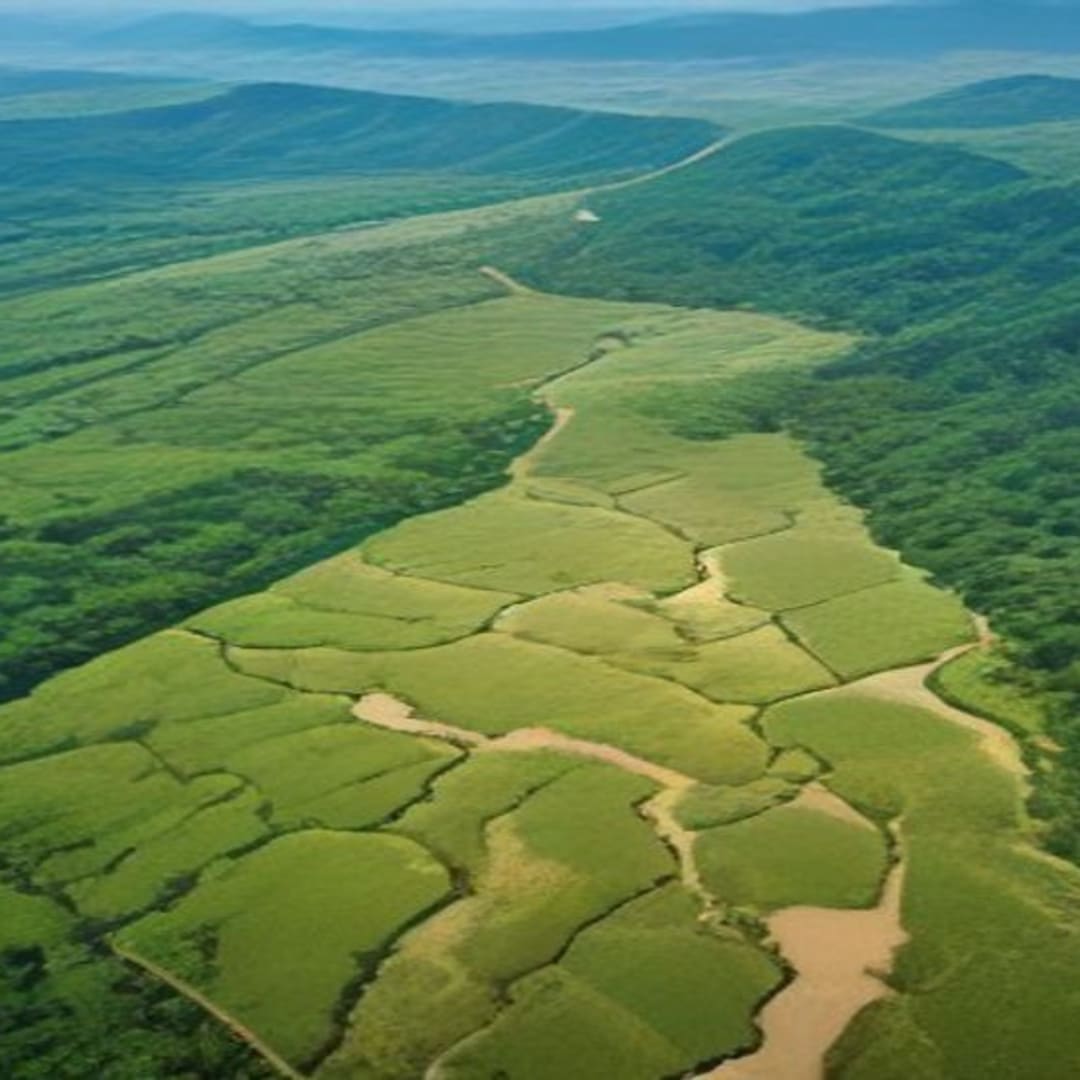
The lush, emerald tapestry of Wayanad, a district nestled in Kerala's ecologically sensitive Western Ghats, is fading to a parched brown. Today, 29 September 2026, as the southwest monsoon makes an early retreat across much of India, Wayanad stands as a stark testament to a season betrayed. With a staggering 37% deficit in monsoon rainfall, this verdant region, often hailed as 'God's Own Country,' is staring down the barrel of an unprecedented summer drought, casting a long, dry shadow over its agricultural heartland and the livelihoods of its people. ### The Crushing Weight of a 37% Deficit While the India Meteorological Department (IMD) noted a national monsoon withdrawal starting around September 19, slightly later than usual, the story for regions like Wayanad is one of profound scarcity.
The national monsoon rainfall deficit has widened to an alarming 15% of the long-period average, a figure highlighted by ICICI Bank Research. But in Wayanad, this deficit spirals to nearly three times the national average, transforming anxieties into urgent crises. The implications are immediate and devastating: groundwater tables are failing to replenish, rivers and streams are dwindling, and the once-reliable rhythm of the agricultural calendar is in disarray. For generations, Wayanad's farmers have relied on the generous monsoon to nourish their paddy fields and rain-fed cash crops like coffee, tea, pepper, and ginger.
These crops, the lifeblood of the local economy, are now under immense strain. Paddy cultivation, already a precarious venture, is facing barren prospects. Fields that should be green with young shoots are dry and cracked, reflecting the sun's unforgiving glare. The robust coffee bushes, usually heavy with berries by this time, are showing signs of stress, threatening the yields that sustain thousands of families.
### El Niño's Whispers Turn to Roars The specter of a strengthening El Niño looms large over this unfolding crisis. El Niño, a climate pattern characterized by the warming of ocean surface temperatures in the central and eastern tropical Pacific Ocean, is notorious for disrupting global weather patterns, often leading to reduced monsoon rainfall in India. ICICI Bank Research's report explicitly points to strengthening El Niño conditions as an elevated risk to rainfall in the coming days, exacerbating the farm risks already present. This isn't merely about less rain; it's about the changing nature of rainfall itself.
Climate shifts have introduced a pattern of intense, short bursts of rain, rather than the sustained, gentle showers crucial for groundwater percolation and soil moisture retention. While these downpours can cause flash floods and soil erosion, they do little to alleviate the deep-seated thirst of the land. The overall quantum of rain has diminished, but its very character has turned hostile, making effective water management and replenishment an even greater challenge. ### Beyond Agriculture: A Looming Water Crisis The consequences extend far beyond agricultural fields.
Drinking water security is becoming a pressing concern. Wells are drying up prematurely, and communities are bracing for what could be an unprecedented summer water crisis. The struggle for water will inevitably impact daily life, health, and sanitation, pushing vulnerable communities further to the brink. This scarcity compounds the challenges faced by local ecosystems, including the rich biodiversity of the Western Ghats, which depends on consistent water availability.
The economic ripple effect is significant. Fitch, while raising India's FY'27 GDP growth projections to 6. 9%, explicitly highlighted that below-normal monsoon rains would weigh on growth in agriculture and rural demand. Wayanad's crisis is a tangible manifestation of this macroeconomic forecast, translating into real economic hardship for countless families.
Reduced harvests mean reduced incomes, which in turn affect local markets, small businesses, and the broader rural economy. The debt burden on farmers, already a perennial issue, threatens to escalate dramatically. ### Government's Rabi Strategy: A Race Against Time Recognizing the deepening drought concerns and the early retreat of the monsoon, the Agriculture Ministry has convened a two-day brainstorming session, beginning tomorrow, September 30, 2026. This crucial meeting aims to discuss rabi season production challenges.
The rabi season, which typically relies on residual soil moisture and supplementary irrigation, will be particularly vulnerable this year given the severe monsoon deficit. Strategies will need to focus on drought-resistant crop varieties, efficient irrigation techniques, and robust support mechanisms for farmers. However, the challenge is immense. Many regions across India are already slipping into 'extreme' and 'exceptional' drought categories.
The effectiveness of any rabi strategy will hinge on its ability to address the immediate water scarcity while also building long-term resilience. For Wayanad, the discussions in Delhi must translate into tangible, region-specific interventions that acknowledge its unique agro-climatic conditions and the severe deficit it faces. ### The Hope of the North East Monsoon and Long-Term Adaptation As the southwest monsoon bids an early farewell, all eyes are now turning to the North East monsoon, which typically brings rainfall to parts of South India, including Kerala, from October to December. For Wayanad, a robust North East monsoon could offer a much-needed lifeline, providing some relief to parched lands and dwindling water sources.
However, relying solely on seasonal rainfall, increasingly erratic due to global climate change, is no longer a sustainable strategy. This crisis underscores the urgent need for a paradigm shift in agricultural practices and water management. Climate-resilient farming, embracing drought-tolerant crops, adopting precision irrigation techniques like drip and sprinkler systems, and promoting rainwater harvesting at both community and individual levels are no longer options but imperatives. Diversification of livelihoods away from complete dependence on rain-fed agriculture also needs exploration.
Furthermore, policies must support farmers in transitioning to these new methods, offering financial incentives, knowledge transfer, and access to appropriate technologies. The local administration in Wayanad, in conjunction with state and central governments, must develop comprehensive drought mitigation plans that include early warning systems, emergency water supply provisions, and robust social safety nets for affected communities. ### A Call for Collective Action Wayanad's plight is a stark reminder that climate change impacts are not distant threats but present realities, reshaping landscapes and lives with brutal efficiency. The 37% monsoon deficit is not just a statistic; it represents barren fields, empty granaries, dwindling incomes, and a profound sense of uncertainty for an entire community.
As India's top environmental platform, Environment Warrior calls for immediate, coordinated action to support regions like Wayanad. This includes not only short-term relief measures but also sustained investment in climate adaptation and resilience-building strategies. The green gold of Wayanad, and indeed of much of India, depends on it.