Air Quality
Vapi's Invisible Tax: Air Pollution's Economic Drain on SMEs
As India grapples with critical air pollution, we uncover how emission controls and health impacts burden small industries in Vapi.
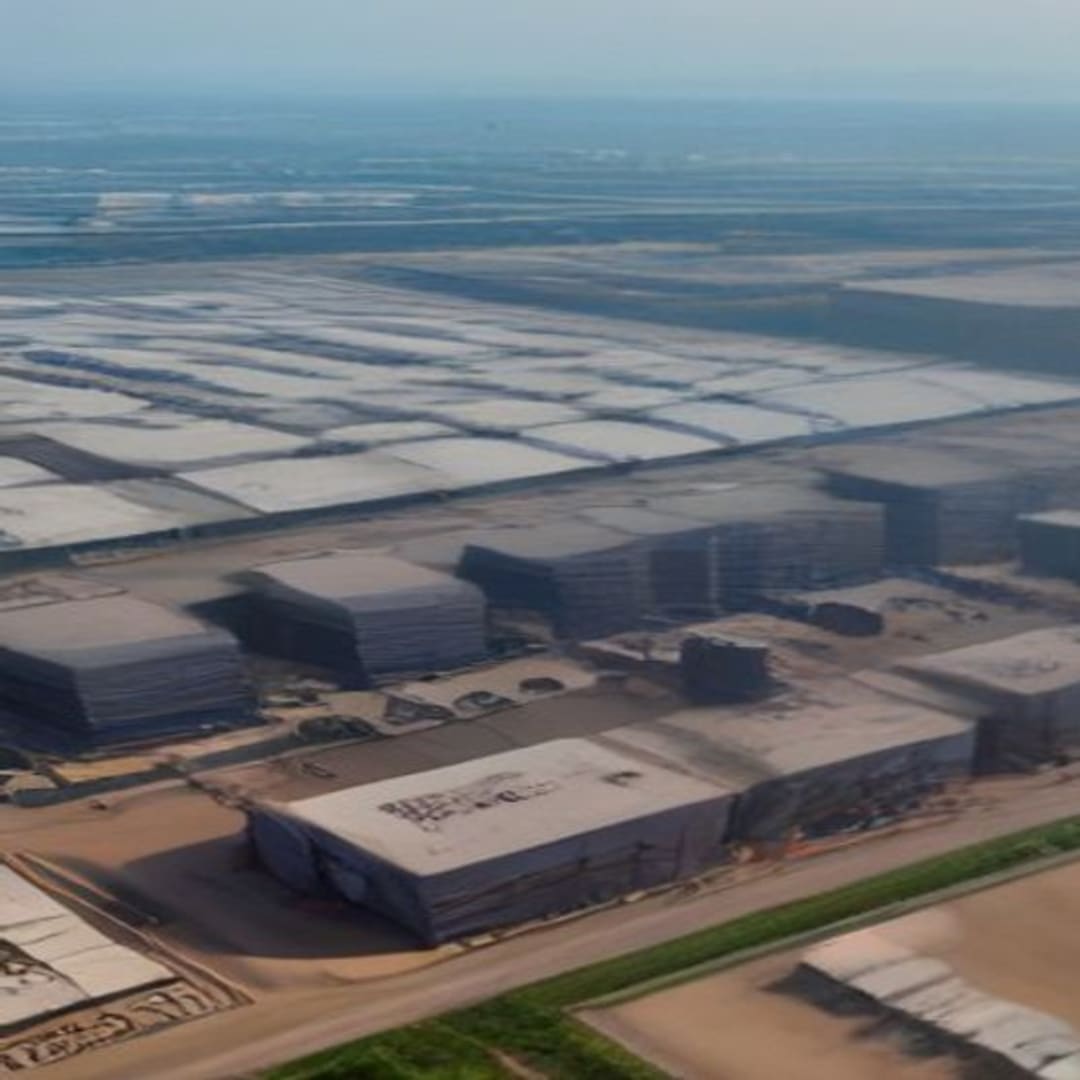
Sunil Patel, a third-generation textile dyeing unit owner in Vapi, Gujarat, remembers the days when the only real concern was market demand. Now, in August 2026, his concerns are far more complex: the spiraling cost of operating his effluent treatment plant, the frequent health complaints from his workers, and the looming threat of fines from the Gujarat Pollution Control Board (GPCB) for even minor deviations in emission standards. 'It feels like we're paying an invisible tax,' he lamenting, gesturing towards the hazy horizon that has become a constant feature of Vapi’s landscape. 'Every rupee spent on pollution control is a rupee not invested in upgrading our machinery or expanding our business.
' India in 2026 is at a critical juncture. While the nation celebrates its accelerating solar energy expansion in rural areas and discusses the promise of electric vehicles, the grim reality of air pollution continues to cast a long shadow over its bustling urban centers and industrial heartlands. Across multiple Indian cities, Air Quality Index (AQI) levels routinely breach dangerous thresholds, triggering public health advisories and urgent calls for stricter emission controls across industrial and transport sectors. Yet, beneath these headline numbers lies a deeper, often unquantified cost: the stifling economic burden placed on India's vast network of Small and Medium Enterprises (SMEs), particularly those operating in pollution hotspots like Vapi.
## Vapi: A Microcosm of India's Industrial Air Quality Predicament Vapi, situated in the Valsad district of Gujarat, is a major industrial hub, particularly known for its chemical, pharmaceutical, and textile industries. For decades, its rapid industrialization fueled economic growth and job creation. However, this progress came at a significant environmental price. Today, Vapi stands as a poignant symbol of India's industrial air quality challenge, where the very engine of economic activity—its SMEs—are now grappling with the consequences of unchecked emissions.
The 'invisible tax' Sunil Patel refers to is multifaceted, impacting the operational viability and growth potential of countless SMEs. This tax isn't just a levy; it's a drain on resources, a drag on productivity, and a barrier to innovation. ### The Direct Financial Strain: Compliance Costs For an SME, adhering to increasingly stringent environmental regulations translates directly into substantial capital expenditure. The National Clean Air Programme (NCAP), alongside state-specific mandates from bodies like the GPCB, demands continuous improvements in emission control technologies.
This means: * **Technology Upgrades:** Investing in advanced scrubbers, bag filters, electrostatic precipitators (ESPs), and better ventilation systems. For small units with thin margins, a single upgrade can run into lakhs of rupees, a sum often beyond their immediate financial capacity. * **Operational & Maintenance Costs:** These sophisticated systems require regular maintenance, specialized personnel, and consistent energy consumption. Filter replacement, chemical reagents for scrubbers, and electricity for powerful fans add recurring expenses that erode profits.
* **Monitoring & Reporting:** Continuous Emission Monitoring Systems (CEMS) and regular laboratory testing are now standard requirements. The cost of installing, calibrating, and maintaining these systems, coupled with fees for third-party audits and reporting, can be prohibitive for smaller players. * **Fines & Penalties:** Non-compliance, even due to technical glitches or financial constraints, can result in hefty fines, closure notices, and legal battles, further crippling operations. 'We understand the need for clean air,' states Ramesh Kumar, who runs a small dye manufacturing unit nearby.
'But when the government mandates new technology, there's often little support for us to afford it. The banks are hesitant to lend for what they see as non-revenue generating assets, and our margins are already squeezed by raw material costs and market competition. ' ### The Indirect Economic Drag: Productivity and Health Beyond the direct costs of compliance, air pollution levies a significant, albeit less tangible, toll on SMEs through its impact on human capital and operational efficiency: * **Worker Health & Productivity:** High levels of particulate matter (PM2. 5, PM10), sulfur dioxide (SO2), and nitrogen oxides (NOx) in industrial areas like Vapi lead to a rise in respiratory illnesses, cardiovascular problems, and other chronic conditions among the workforce.
Absenteeism increases, productivity dips, and the overall health burden on employees and their families grows. For employers, this translates to lost workdays, potential medical reimbursements, and the constant challenge of maintaining a healthy, effective workforce. * **Healthcare Expenditure:** Businesses, especially larger SMEs, often contribute to employee healthcare. As pollution-related ailments rise, so does this expenditure, diverting funds that could otherwise be used for business development.
* **Reputational Damage & Talent Attraction:** Industrial clusters notorious for pollution struggle to attract skilled labor and managerial talent. Young professionals increasingly prioritize quality of life, including clean air, when choosing employment. This can lead to a brain drain, hindering innovation and growth. * **Supply Chain Disruptions:** Extreme pollution events or sudden enforcement actions can lead to temporary factory closures, disrupting production schedules and impacting supply chains, which can have ripple effects across various sectors.
## The Policy-Practice Disconnect: Bridging the Gap for SMEs India’s commitment to combating air pollution is clear through initiatives like the NCAP, which aims to reduce PM2. 5 and PM10 concentrations by 20-30% by 2024 (from 2017 levels). However, the implementation often overlooks the unique vulnerabilities and operational realities of SMEs. Many policies are designed with larger industries in mind, assuming access to capital and technical expertise that small businesses simply do not possess.
This creates a significant 'policy-practice disconnect. ' While the intent is to foster a cleaner environment, the unintended consequence can be the marginalization or even closure of SMEs that are unable to comply, leading to job losses and economic instability. ### Pathways to Cleaner Growth for SMEs Addressing this invisible tax requires a nuanced approach that combines stringent regulation with supportive mechanisms. For Vapi and similar industrial clusters to truly thrive sustainably, policymakers and industry stakeholders must collaborate on strategies that empower, rather than solely penalize, SMEs: 1.
**Tailored Financial Incentives:** Establishing dedicated green funds, offering subsidized loans, and providing capital subsidies specifically for SMEs to adopt cleaner technologies. The government could also explore interest subvention schemes for environmental upgrades, making green investments more attractive. 2. **Technology Transfer & Capacity Building:** Facilitating access to affordable, proven pollution control technologies relevant to SME scale.
This includes creating technical guidance centers, organizing workshops, and offering training programs to help SME owners and their staff understand and operate new systems effectively. Public-private partnerships could play a crucial role here. 3. **Common Pollution Control Facilities (CPCFs):** Expanding the model of Common Effluent Treatment Plants (CETPs) to include common air pollution control facilities.
This allows multiple small units to collectively invest in and utilize high-capacity, advanced emission control systems, significantly reducing individual capital and operational burdens. This could be particularly effective for clusters producing similar types of emissions. 4. **Incentivizing Cleaner Production:** Moving beyond end-of-pipe solutions to promote fundamental shifts towards cleaner production processes.
This involves encouraging resource efficiency, waste minimization, and the adoption of less polluting raw materials. Incentives could include tax breaks or preferential treatment in government procurement for businesses demonstrating cleaner production practices. 5. **Strengthening Regulatory Support, Not Just Enforcement:** While strict enforcement is vital, GPCB and other regulatory bodies could also act as facilitators.
This means providing clear roadmaps for compliance, offering technical assistance, and establishing a grievance redressal mechanism that helps SMEs navigate the regulatory landscape without fear of immediate punitive action. 6. **Industry Association Role:** Empowering industry associations to play a more proactive role in collective bargaining for cleaner technologies, sharing best practices, and even establishing self-regulatory mechanisms among their members. ### The Road Ahead: A Call for Integrated Vision The narrative of India's development cannot overlook the plight of its SMEs, which form the backbone of its manufacturing sector, contributing significantly to GDP and employment.
Allowing air pollution to exact an invisible tax on these enterprises is not just an environmental oversight; it is an economic self-sabotage. As India continues its aggressive push for economic growth and industrial expansion, it must integrate environmental sustainability with industrial policy. The lessons from Vapi are clear: for India to achieve its environmental goals and sustain its economic momentum, the 'cost of clean air' for SMEs must be proactively addressed. Only then can industries like Sunil Patel's truly breathe easy, confident that their growth is not coming at the expense of the air their workers, and their community, breathe.