Climate Change
Uttar Pradesh's Grid: Climate's Scorching Grip on Power
As mercury soars, India's most populous state faces unprecedented strain on its electrical grid, threatening millions.
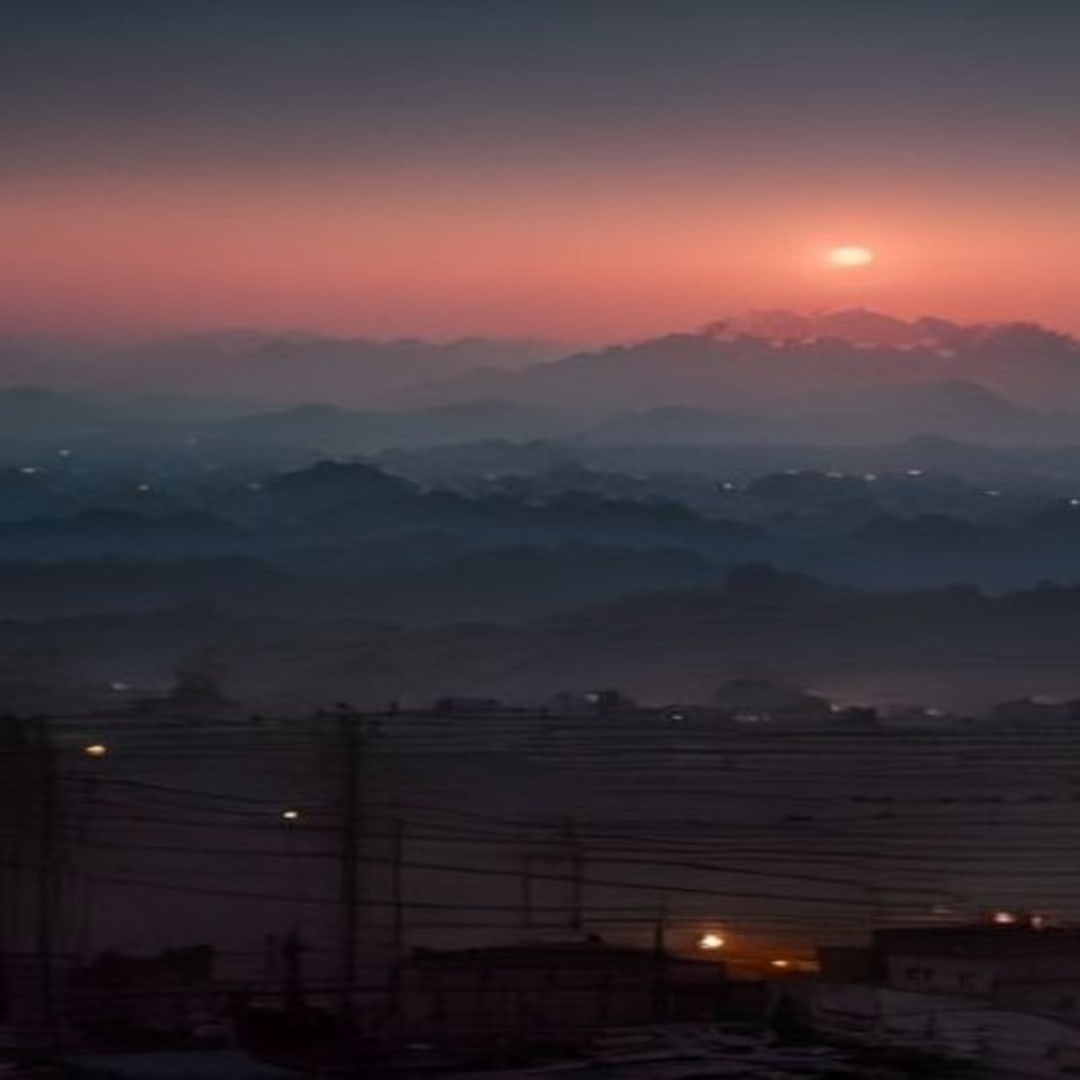
# Uttar Pradesh's Grid Under Siege: Climate's Scorching Grip on India's Power Lifeline **16 September 2026** It was a sweltering May evening in Agra, 2026. The mercury had stubbornly clung to 46 degrees Celsius for three days straight, turning homes into ovens. Then, at 8:17 PM, the lights flickered and died across large swathes of the city, plunging millions into oppressive darkness. For eight agonizing hours, residents endured not just the heat, but the cessation of fans, air conditioners, and even the pumps that brought precious water to their taps.
Hospitals struggled with backup generators, small businesses saw their evening trade vanish, and the elderly and infirm faced a harrowing night. This wasn't an isolated incident; it was a recurring nightmare across Uttar Pradesh, a stark manifestation of India's escalating climate crisis bearing down on its most critical infrastructure: the electrical grid. While conversations around India's climate vulnerability often focus on melting glaciers, erratic monsoons, or rising sea levels, the direct impact of extreme heat on our power infrastructure is a less discussed, yet profoundly urgent, challenge. As the climate crisis intensifies, bringing with it more frequent and prolonged heatwaves, India’s electrical grid, the very backbone of modern life, is buckling under the pressure.
And nowhere is this more acutely felt than in Uttar Pradesh, a state home to over 240 million people, whose every breath, every industry, every drop of water now depends on a system pushed to its limits. ## The Unseen Strain: Heat's Assault on Power The relationship between extreme heat and grid stability is a vicious cycle. As temperatures climb, the demand for electricity skyrockets. Air conditioning units hum incessantly, refrigerators work overtime, and industrial cooling systems consume more power.
This surge in demand directly strains generation capacity. Thermal power plants, which still form the lion's share of India's energy mix, become less efficient at higher ambient temperatures, requiring more fuel to produce the same amount of electricity and increasing the risk of mechanical failures. Hydropower, already challenged by erratic rainfall patterns, offers little relief during peak summer months. But the strain isn't limited to generation.
The vast network of transmission lines and transformers that carry electricity across the state also suffers. Heat causes electrical resistance to increase in power lines, leading to greater energy loss and reduced transmission capacity. Transformers, particularly those in urban and semi-urban areas, are designed to operate within specific temperature ranges. Prolonged exposure to extreme heat can degrade their insulation, reduce their lifespan, and significantly increase the likelihood of equipment failure, leading to localized outages that cascade into wider blackouts.
It's a systemic vulnerability that threatens to unravel the fabric of daily life with every passing heatwave. ## Uttar Pradesh's Vulnerability: A Perfect Storm Uttar Pradesh, with its sprawling agricultural lands, burgeoning industrial corridors, and rapidly urbanizing population, presents a particularly challenging scenario. The state's peak power demand has consistently hit new highs each year, often exceeding available supply during the searing summer months. In May 2026, UPPCL (Uttar Pradesh Power Corporation Limited) reported demand peaks consistently hitting over 28,000 MW, a figure that often outstripped planned availability, forcing load shedding in both rural and urban areas.
The state's energy infrastructure, while undergoing significant modernization, still grapples with legacy issues. A substantial portion of the grid was not designed for the sustained extreme temperatures now becoming the norm. Furthermore, the reliance on tube wells for irrigation in agricultural belts means that farmers are heavily dependent on electricity, adding another layer of demand during the hottest, driest periods. Power distribution companies (DISCOMs) like Purvanchal Vidyut Vitran Nigam Ltd.
(PVVNL), serving eastern UP, are caught between rising consumer expectations, the physical limitations of aging infrastructure, and the financial pressures that often plague India's power sector. The Ujwal DISCOM Assurance Yojana (UDAY) aimed to bring financial stability, but the operational challenges posed by climate change continue to present new hurdles. ## The Ripple Effects: Beyond the Blackout The consequences of a failing grid extend far beyond mere inconvenience. For millions, a power cut during a heatwave is a matter of life and death.
Vulnerable populations – the elderly, infants, and those with chronic illnesses – are at heightened risk of heatstroke and dehydration without access to cooling. Hospitals become incredibly challenging environments, their critical equipment reliant on often strained backup systems. Economically, the impact is devastating. Factories halt production, leading to financial losses and potential job insecurity.
Small and medium enterprises, the backbone of local economies, face spoiled goods, lost revenue, and damaged equipment. The agricultural sector, already battling erratic monsoons and groundwater depletion, sees irrigation schedules disrupted, threatening crop yields and farmer livelihoods. Educational institutions struggle, with online classes becoming impossible and physical classrooms unbearable, affecting the learning of an entire generation. Even basic civic services, such as water supply and waste management, are compromised when pumping stations and treatment facilities lose power.
## Forging Resilience: A Path Forward Addressing this multi-faceted challenge requires a comprehensive, multi-pronged strategy. India's commitment to clean energy offers a critical pathway, but the integration of renewables must be meticulously planned to enhance, not detract from, grid stability. 1. **Grid Modernization and Smart Grids:** Investing in smart grid technologies is paramount.
This includes real-time monitoring, automated fault detection and restoration, and advanced forecasting to anticipate demand surges and potential failures. Initiatives under the National Smart Grid Mission need accelerated implementation, particularly in climate-vulnerable regions like UP. 2. **Renewable Energy Integration with Storage:** While solar energy expansion is accelerating across rural India, integrating large-scale solar and wind farms effectively requires significant investment in grid-scale battery storage solutions.
This can help balance the intermittent nature of renewables and provide critical power during peak demand periods when traditional generation falters. 3. **Demand-Side Management (DSM):** Empowering consumers to manage their energy consumption is crucial. This includes promoting energy-efficient appliances, implementing time-of-use tariffs to incentivize off-peak usage, and launching awareness campaigns on energy conservation.
Large industrial consumers can also be incentivized to shift their energy-intensive processes to cooler hours or non-peak times. 4. **Climate-Resilient Infrastructure:** Upgrading existing infrastructure to withstand extreme weather is non-negotiable. This means using heat-resistant materials for transformers and cables, undergrounding power lines in densely populated and critical areas where feasible, and implementing robust maintenance schedules tailored to climate realities.
5. **Decentralized Energy Solutions:** Microgrids, especially solar-plus-storage solutions, can provide critical resilience at the community level, ensuring essential services remain operational even when the main grid fails. This is particularly relevant for remote villages, hospitals, and emergency shelters. 6.
**Inter-State Grid Connectivity:** Enhancing the national grid's capacity to transfer power between states can help balance regional demand-supply gaps, allowing surplus power from one region to compensate for deficits in another during extreme events. ## The Human Imperative The climate crisis is no longer a distant threat; it is an immediate, tangible reality challenging the fundamental infrastructure that sustains human life. For the millions in Uttar Pradesh, and indeed across India, the stability of the electrical grid is not just an engineering marvel; it is a lifeline. It determines whether a child can study, whether a hospital can save lives, whether a farmer can water their crops, or whether a family can find respite from the scorching heat.
The task ahead is monumental, requiring unprecedented investment, technological innovation, and political will. But the cost of inaction is far greater. As we stand in 2026, the imperative is clear: build a power grid that is not just efficient and affordable, but fundamentally climate-resilient. Only then can India truly protect its millions from the escalating wrath of a warming planet.