Climate Change
The Ocean's Silent Scream: Confronting the Plastic Apocalypse
Plastic Free July 2026: Unpacking ocean plastic, policy failures, and the innovative fight for marine survival.
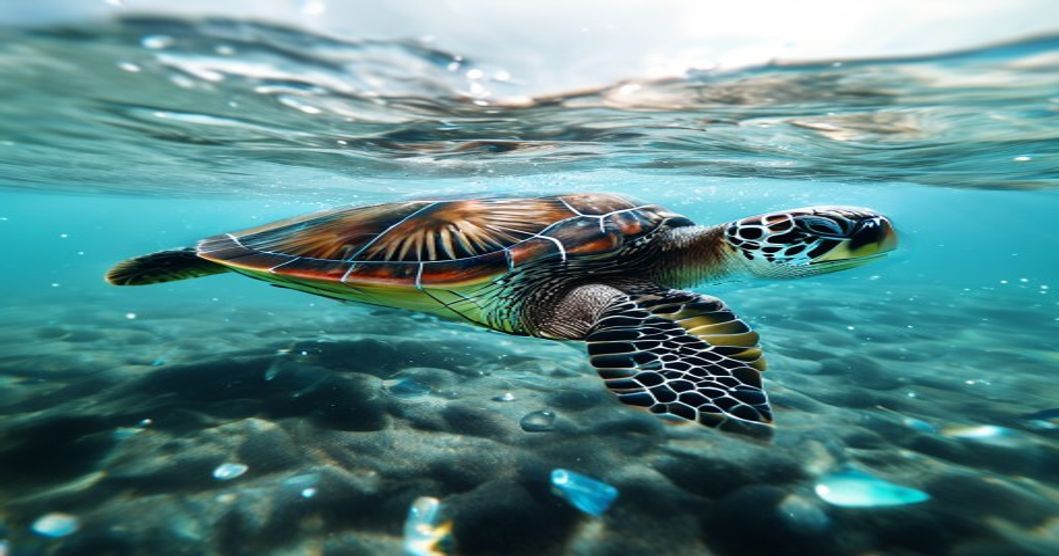
It’s July 20, 2026, and as the global community observes Plastic Free July, dedicated to ocean protection and activism, the grim reality of our planet’s struggle against plastic pollution continues to cast a long shadow. Here at Environment Warrior, India’s premier environmental platform, we often speak of crises, but few are as pervasive, as insidious, and as deeply integrated into the fabric of our ecosystems as plastic. An estimated 11 million tons of plastic choke our oceans annually, a relentless deluge that threatens marine life, infiltrates our food chains, and fundamentally alters the delicate balance of Earth’s most vital ecosystems. This month, as we reflect on the challenges and potential pathways forward, a series of recent findings underscore both the terrifying scope of the problem and the nascent, yet crucial, efforts to combat it.
## The Unseen Threat: Microplastics and the Deep-Sea Invasion For too long, the image of ocean plastic was that of discarded bottles and bags floating on the surface – a visible, tangible problem. But recent research shatters this illusion, revealing a far more sinister reality: microplastics have infiltrated even the deepest abysses of our oceans, reaching depths of 2,000 meters below the surface. This revelation is profoundly disturbing. Larger plastic debris, battered by waves and sunlight, relentlessly breaks down into these tiny, insidious particles.
Once microscopic, they become virtually impossible to retrieve, carried by ocean currents to every corner of the marine world. These microplastics are not inert passengers. They are ingested by marine organisms across the food web, from zooplankton to whales, accumulating in their tissues and causing a cascade of biological damage. The threat extends beyond the immediate marine environment; these particles, laden with pollutants absorbed from the water, are making their way into the human food chain, a stark reminder that what we cast into the ocean ultimately returns to us.
The implications for public health are still being fully understood, but the prospect of a world where every meal carries a dose of plastic is a chilling one. ## Plastic as a Trojan Horse: Invasive Species and Biodiversity Under Threat The journey of plastic through our oceans isn't just a story of fragmentation and ingestion; it's also a tale of unintended biological consequences. A groundbreaking study published in Marine Pollution Bulletin recently traced the voyage of a single plastic bottle cap recovered near southern Japan. What they found was astonishing: 307 organisms, including a polychaete worm previously unknown in Japanese waters, had colonized the cap, hitchhiking across vast oceanic distances.
This discovery highlights a critical, often overlooked dimension of plastic pollution: its role as a vector for invasive species. When "ecosystem engineers"—species that significantly shape their environments—colonize plastic debris, they don't just travel; they create entire micro-communities that can survive extended journeys. Upon arrival in new waters, these foreign species can outcompete native organisms, introduce diseases, and drastically alter local ecosystems, jeopardizing marine biodiversity and the delicate balance that has evolved over millennia. The plastic litter we carelessly discard is not merely an aesthetic blight; it is a biological weapon, silently reshaping the very foundation of our marine environments.
## Policy Paralysis: A Call for Urgent Action Beyond Local Efforts Given the escalating crisis, one would expect a robust legislative response. Yet, the reality often falls short. This year, as Plastic Free July commenced, a significant disappointment emerged from the United States: the New York State Legislature adjourned without passing the Packaging Reduction and Recycling Infrastructure Act. This crucial legislation would have curbed the production of single-use plastics, supported public health, and banned some of the most toxic chemicals in plastic packaging.
Its failure is a stark reminder of the political inertia that often stymies environmental progress, even in the face of overwhelming scientific evidence and public demand. While local and state-level efforts are vital, the global nature of plastic pollution demands action at national and international levels. The oceans know no borders; plastic discarded in one country can wash ashore thousands of miles away, carrying microplastics and invasive species with it. The call for federal intervention in countries like the U.
S. remains strong, but the broader message is clear: we need comprehensive, binding international agreements and national policies that prioritize pollution prevention, incentivize sustainable alternatives, and hold producers accountable for the entire lifecycle of their products. Without such systemic changes, individual efforts, while commendable, will forever be an uphill battle against an ever-growing tide. ## Glimmers of Hope: Innovation and Collective Action on the Frontlines Despite the daunting scale of the challenge, the human spirit for innovation and collective action offers glimmers of hope.
Across the globe, dedicated individuals, corporations, and communities are pioneering solutions that offer pathways to a cleaner future. One such beacon of hope shines brightly in India. Allianz Services and Technology India, through a commendable Corporate Social Responsibility (CSR) initiative, has achieved a significant milestone in Thiruvananthapuram, Kerala. Their project successfully recovered over 1,000 tonnes of plastic waste from the city's rivers, preventing this immense volume from ever reaching the ocean.
This initiative, which likely leverages technologies like TrashBoom and involves extensive community engagement, exemplifies how corporate responsibility, when strategically deployed, can make a tangible difference in protecting local waterways and, by extension, the global marine environment. It's a powerful demonstration of how industrial sustainability and environmental protection can go hand-in-hand, setting a precedent for other corporations in India and beyond. Technological advancements are also stepping up to the plate. The Bionic Underwater Robot Turtle (BURT), designed by student Evan Budz, represents a fascinating frontier in pollution detection.
Equipped with a Raspberry Pi and AI software, BURT can autonomously detect plastic waste and signs of ecological distress. Imagine fleets of BURTs patrolling our coastlines, providing real-time data and helping to pinpoint pollution hotspots, making cleanup efforts more efficient and targeted. Further demonstrating ingenuity, researchers in Hawaii are giving ocean plastic and discarded fishing nets a surprising second life: as components of new asphalt roads. By mixing these recovered materials into pavement, they are not only diverting waste from landfills and oceans but also exploring sustainable infrastructure solutions.
Early tests are promising, indicating that these "plastic roads" do not release more plastic particles than standard pavement, with tire wear being the dominant factor in microparticle generation. If future studies confirm their durability and safety, this technology could offer a dual solution, tackling marine pollution while providing resilient infrastructure. ## The Way Forward: India's Role in a Global Solution For India, a nation with an extensive coastline and a burgeoning economy, the fight against plastic pollution is particularly critical. The Allianz project in Thiruvananthapuram is an inspiring example, but it's just the beginning.
We need to scale such initiatives, fostering a culture of corporate environmental responsibility nationwide. Furthermore, India must accelerate its transition towards a circular economy for plastics. This involves not just better waste collection and recycling infrastructure, but also upstream interventions: reducing virgin plastic production, promoting reusable packaging, and investing in bio-degradable alternatives. Policy frameworks, such as extended producer responsibility (EPR), must be strengthened and rigorously enforced, compelling manufacturers to take accountability for their products from design to disposal.
Education and awareness campaigns, particularly during events like Plastic Free July, are paramount. Empowering citizens with knowledge about the impacts of plastic and viable alternatives can drive behavioral change, reduce consumption of single-use plastics, and foster a demand for sustainable products. ## Conclusion: A Shared Ocean, A Shared Responsibility As we stand on July 20, 2026, the message is unequivocally clear: the ocean plastic crisis is deepening, reaching into the most remote corners of our planet and threatening the very foundations of marine life and human health. The legislative inertia witnessed in places like New York is a worrying sign, yet the ingenuity and dedication displayed by projects like Allianz's river cleanup, BURT's autonomous detection, and Hawaii's plastic roads offer a powerful counter-narrative.
The battle for our oceans is far from over. It demands a multi-pronged approach: robust policy, groundbreaking innovation, unwavering corporate commitment, and conscious individual choices. As Environment Warrior readers, we understand that our planet's health is intrinsically linked to our own. Let this Plastic Free July be more than just a month of awareness; let it be a catalyst for sustained, impactful action.
Our oceans are screaming, and it is time we not only listen but act decisively to silence their pain and restore their vitality. The future of our blue planet depends on it.