Climate Change
The Invisible Ocean Threat: Microplastics & Invasive Species
From abyssal depths to hitchhiking organisms, plastic pollution's hidden dangers demand urgent global action.
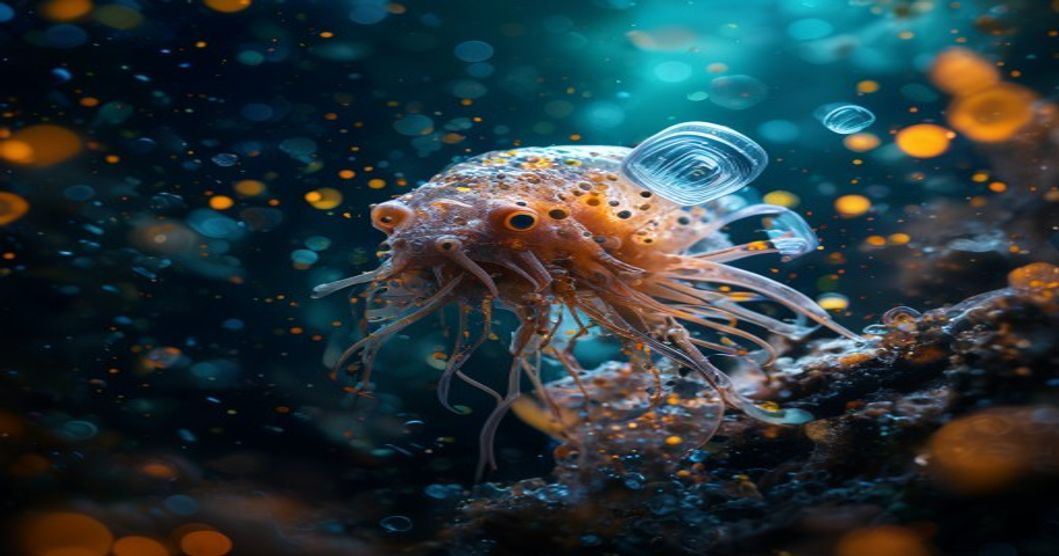
As Environment Warrior, India’s premier environmental platform, we’ve sounded the alarm on plastic pollution for years. Yet, as of mid-2026, the crisis deepens, revealing new, alarming dimensions that challenge our very understanding of ocean health. We are no longer just battling visible debris; we are confronting an insidious, invisible invasion. Just this month, groundbreaking studies have unveiled how the pervasive creep of microplastics extends far beyond our immediate sight, reaching the ocean's abyssal depths and transforming plastic debris into unexpected vectors for ecological disruption.
This isn't merely about aesthetic pollution; it's about a fundamental reshaping of our planet's most vital ecosystems, with profound implications for marine biodiversity and, ultimately, human well-being. ## The Invisible Invasion: Microplastics' Deep Dive The sheer scale of plastic entering our oceans – an estimated 11 million tons annually – is staggering. While we often picture vast, floating islands of debris, the true danger lies in the fragments we cannot see: microplastics. These tiny particles, defined as less than 5 millimeters in length, originate from a myriad of sources.
They are the result of larger plastic items breaking down under the sun's UV radiation and wave action, but also directly from sources like synthetic textile fibers shedding during laundry, tire wear on roads, microbeads in cosmetics, and industrial pellets. Once in the marine environment, their small size and buoyancy (or lack thereof, depending on density and biofouling) allow them to travel vast distances. A recent study, published just weeks ago, delivered a chilling revelation that underscores the ubiquity of this problem: microplastics have been detected a staggering 2,000 meters below the ocean surface. This means these ubiquitous particles are not confined to surface currents and coastal zones but are actively transported throughout the entire marine water column, infiltrating ecosystems once thought pristine and isolated.
Imagine the implications for deep-sea creatures – from filter-feeding sponges and corals to bioluminescent fish and enigmatic cephalopods. These fragments, often microscopic, are being ingested by a vast array of marine organisms, from zooplankton at the base of the food web to larger fish and mammals. The potential impacts are multifaceted: physical obstruction and damage to digestive tracts, false satiation leading to starvation, and the leaching of harmful chemicals (both those inherent in the plastic and those adsorbed from the surrounding water). The long-term physiological impacts on these creatures, and subsequently on those higher up the food chain, are still being unraveled, but the prognosis is grim, threatening the delicate balance of ocean life at every trophic level.
## Hitchhikers on Plastic Rafts: A New Vector for Invasive Species But microplastics aren't just a physical and chemical threat; they're also biological Trojan horses, facilitating a new era of 'plastic rafting. ' Another recent study, tracing the incredible journey of a plastic bottle cap recovered near southern Japan, paints a vivid picture of this novel ecological threat. Researchers, employing a sophisticated blend of label data, chemical clues from tiny shells, and advanced ocean current simulations, discovered a bustling micro-community of 307 organisms clinging tenaciously to the cap. Among them was a polychaete worm previously unknown in Japanese waters – a stark indicator of invasive species transport.
This phenomenon demonstrates how plastic debris, often buoyant and long-lived, acts as a mobile habitat, ferrying species across vast oceanic distances, far beyond their natural dispersal ranges. Historically, natural rafts like driftwood have played this role, but plastic's abundance, persistence, and unique properties (such as providing shelter and a stable substrate) amplify this process dramatically. When 'ecosystem engineers' – species that significantly shape their environments, like certain barnacles, mussels, or corals – colonize these plastic rafts, the risk of invasive species establishing themselves in new territories skyrockets. These invaders can outcompete native species for resources, introduce diseases, alter habitats, and disrupt delicate ecological balances, leading to irreversible biodiversity loss and significant economic costs for fisheries and coastal industries.
The implications for already stressed coral reefs, unique island ecosystems, and overall marine ecosystem health are profound and largely underestimated. ## Beyond the Blue: The Human Connection While the immediate focus often remains on marine life, the trajectory of microplastics invariably leads back to us. As these particles permeate the marine food web, they inevitably find their way onto our plates through contaminated seafood, salt, and even drinking water. Beyond ingestion, microplastics are now detected in the air we breathe and even in human tissues and organs.
The long-term health effects of microplastic exposure and ingestion on humans are still under intense investigation, but preliminary research points to concerns ranging from inflammation and oxidative stress to potential disruption of the gut microbiome and endocrine systems due to chemical leaching. This isn't just an abstract environmental problem; it's a rapidly evolving public health imperative that demands immediate attention and robust scientific inquiry. ## Turning the Tide: Innovation and Action The scale of the crisis can feel overwhelming, but hope lies in concerted action and innovative solutions emerging globally, and notably, right here in India. The past year has seen significant strides that exemplify a multi-pronged approach: ### Direct Cleanup & Recovery: Leading from the Front in India In Thiruvananthapuram, Kerala, a commendable initiative by Allianz Services and Technology India, as part of their robust CSR commitment, has successfully recovered over 1,000 tonnes of plastic waste from local rivers.
This monumental effort, preventing hundreds of thousands of plastic bottle equivalents from ever reaching the ocean, demonstrates the immense power of corporate social responsibility, community engagement, and targeted intervention in tackling the problem at its source. Such river cleanup projects, often employing technologies like 'TrashBoom' barriers, are critical in intercepting debris before it becomes maritime pollution, protecting not just marine ecosystems but also local waterways and communities. ### Technological Allies: Smart Solutions for a Smarter Future Beyond direct cleanup, innovation is providing new tools. The Bionic Underwater Robot Turtle (BURT), a brainchild of student Evan Budz, is a promising ally.
Using Raspberry Pi and advanced AI software, BURT is designed to autonomously detect and potentially collect plastic waste, while also identifying areas of ecological distress. This glimpse into a future where autonomous robots assist in monitoring and mitigating ocean pollution offers scalable solutions for hard-to-reach areas and real-time data collection, enhancing our understanding and response capabilities. ### Circular Economy & Repurposing: From Waste to Infrastructure Equally vital are efforts to repurpose existing plastic waste, transforming a pollutant into a valuable resource. Researchers in Hawaii are pioneering a fascinating solution: turning ocean plastic and old fishing nets into asphalt roads.
Early tests suggest these 'plastic roads' are not only durable but, crucially, don't release significantly more plastic particles than standard pavement, with tire wear overwhelming any plastic signal from the recycled material. If further studies confirm their long-term viability, this technology could offer a dual benefit, tackling both marine pollution and overflowing landfills while creating sustainable infrastructure. This exemplifies the circular economy in action – rethinking waste as a raw material. ### Awareness & Art: Bridging Science and Society Finally, raising public awareness and fostering a deeper connection to our environment remains paramount.
The 'Aqua Paradiso' exhibition at KCCI, New Delhi, where Korean artists like Eunhae Jung transform ocean microplastics into powerful artistic statements, reminds us of art's unique ability to bridge the gap between scientific findings and public understanding. These installations serve as poignant reminders of the crisis while inspiring contemplation and hope for a better future. These diverse approaches – from grassroots cleanup to high-tech innovation, circular economy solutions, and cultural engagement – are all essential pieces of the puzzle. They highlight that there is no single silver bullet, but rather a need for a comprehensive, multi-faceted strategy.
## The Path Forward: A Call to Arms for Environment Warriors As we stand on 17 July 2026, the message is unequivocally clear: plastic pollution, particularly the insidious threat of microplastics and their role in invasive species transport, demands our immediate, sustained, and collaborative attention. The ocean, once considered infinite and resilient, is showing its limits, and the consequences of inaction are too severe to contemplate. The solutions are not simple, nor singular. They require a global, multi-pronged strategy encompassing drastic reduction in single-use plastics through policy and consumer choice, robust waste management infrastructure, accelerated research into truly biodegradable alternatives, and continued investment in cleanup and repurposing technologies.
Extended Producer Responsibility (EPR) schemes must be strengthened, international cooperation on marine litter must intensify, and individual lifestyle changes – embracing reuse, refusing unnecessary plastics, and advocating for change – are more critical than ever. From individual choices to corporate responsibility and governmental policies, every action, no matter how small, counts. We, the Environment Warriors, must continue to advocate, innovate, and act with unwavering resolve, ensuring that the blue heart of our planet can truly heal, thrive, and remain a source of life, not merely a repository for our waste.