Climate Change
The Hidden Voyage: Plastic as a Vector for Invasive Marine Species
Beyond the visible pollution, discarded plastic acts as a global transport system, ferrying invasive life forms across oceans, threatening biodiversity.
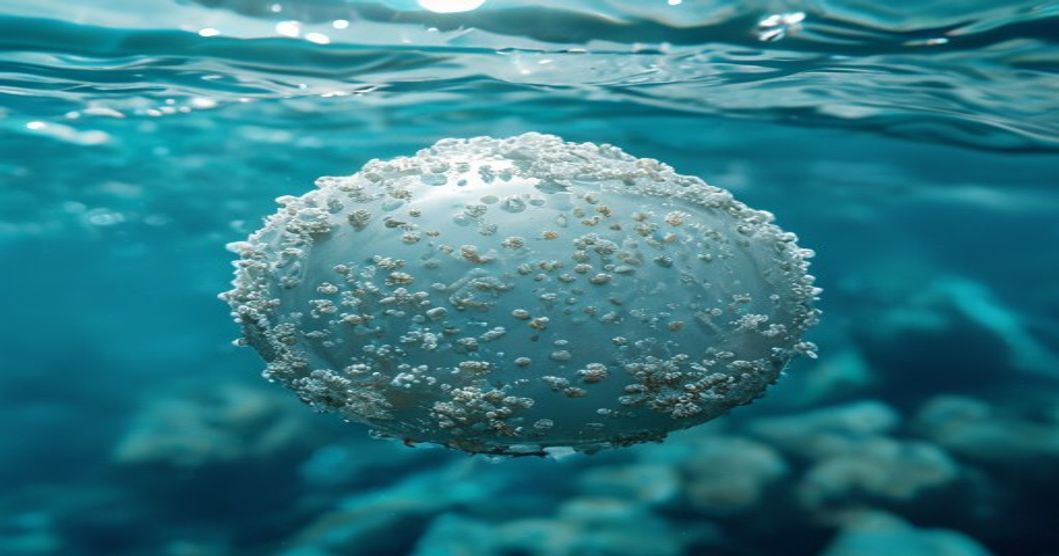
The ocean, a vast and mysterious realm, has always been a highway for life. But today, a new, insidious form of transport dominates its currents: plastic. From the majestic sweep of the Pacific Gyre to the deepest trenches, plastic debris is ubiquitous, a silent testament to human consumption. For years, our focus has been on the visible horrors – marine animals entangled in ghost nets, seabirds with bellies full of microplastics.
Yet, a recent discovery near the waters of southern Japan has unveiled an even more profound and unsettling dimension to the plastic crisis: it's not just pollution; it's a global express for invasive species, fundamentally altering marine ecosystems. Today, 15 July 2026, as we reflect on the escalating environmental challenges, this particular revelation underscores the complex, interconnected nature of our planetary crisis. ## The Unseen Voyage of a Bottle Cap: A New Ecological Threat Imagine a humble plastic bottle cap, perhaps carelessly discarded from a beach picnic or swept into a river during a monsoon, beginning an epic, unintended journey across the ocean. Researchers, in a groundbreaking study published in *Marine Pollution Bulletin*, meticulously traced just such a voyage.
Combining forensic analysis of the cap's label, chemical clues embedded in tiny shells, and sophisticated ocean current simulations, they painstakingly pieced together its incredible odyssey. What they found clinging to this unassuming piece of debris, recovered near the waters of southern Japan, was astonishing: 307 individual organisms, a thriving micro-community, including a polychaete worm, a species previously unrecorded in Japanese waters. This wasn't a one-off anomaly but a chilling demonstration of a broader, emerging threat. This isn't merely a curiosity; it's a stark warning.
The study highlights how "ecosystem engineers" – species like certain barnacles, mussels, or even some algae that significantly shape their environments by creating habitats or altering physical conditions – can readily colonize plastic debris. Once established, these pioneers create entire micro-communities, transforming a discarded bottle cap or a fragment of fishing gear into a vibrant, albeit alien, mini-ecosystem. These floating biological rafts can then be transported over extended periods and vast distances, far beyond the natural dispersal capabilities of many marine organisms. The implications are profound and far-reaching: a heightened risk of invasive species introductions into new territories, threatening native biodiversity, disrupting delicate food webs, and potentially altering entire marine habitats with irreversible consequences.
The very fabric of marine life is under threat from these plastic-borne invaders. ## Beyond the Obvious: Plastic's Ecological Betrayal and the Global Impact For too long, the narrative around plastic pollution has focused primarily on its physical and chemical impacts: the tragic spectacle of marine animals entangled in discarded fishing gear, the slow poisoning from ingesting microplastics, and the leaching of harmful chemicals into the water column. While these remain critical concerns, the realization that plastic serves as a potent vector for biological invasion adds a terrifying new layer to the crisis. This isn't just about the passive presence of plastic; it's about its active and dynamic role in rewriting the rules of marine biogeography, accelerating ecological shifts that would otherwise take millennia.
Historically, natural rafts like pumice, driftwood, or ice have facilitated some species dispersal, playing a role in the colonization of new islands or habitats. However, plastic debris offers several unprecedented advantages to hitchhiking organisms: it's incredibly durable, buoyant, and globally distributed across all ocean basins. Unlike organic materials, it doesn't degrade quickly, allowing for much longer voyages – journeys that can span months or even years, crossing entire oceans. This unprecedented proliferation of long-lasting, ocean-going "rafts" effectively turbocharges the rate of species translocation, accelerating the homogenization of marine life and increasing the vulnerability of isolated ecosystems, such as remote islands and unique coastal regions, to invasion.
For countries like India, with its extensive and biologically diverse coastline, numerous island territories, and a burgeoning coastal population, this threat is particularly acute, demanding urgent attention and proactive strategies to protect our invaluable marine heritage. The economic impact on fisheries and coastal tourism from unchecked invasive species could be devastating. ## India's Battlefront: From Rivers to Roads – A Holistic Approach The sheer, overwhelming scale of the plastic problem demands a comprehensive, multi-pronged response, from immediate upstream prevention to innovative repurposing and long-term behavioral change. It’s encouraging to see concerted efforts taking root across various sectors, even as the scientific understanding of plastic’s impact deepens.
One such beacon of hope shines from Thiruvananthapuram, Kerala, demonstrating effective local action. Allianz Services and Technology India, through a commendable Corporate Social Responsibility (CSR) initiative, has achieved a significant milestone: recovering over 1,000 tonnes of plastic waste from the city's rivers. This monumental effort prevents countless plastic bottles, bags, and yes, those deceptively simple bottle caps, from embarking on their potentially destructive ocean voyages. Such river cleanup projects, often employing innovative technologies like "TrashBoom" barriers or manual collection by dedicated teams, are critical upstream interventions.
By intercepting plastic before it reaches the open ocean, we directly reduce the number of potential "rafts" and, consequently, the associated risk of invasive species transport. It's a powerful testament to how corporate social responsibility, combined with active community engagement and smart waste management, can yield tangible environmental protection results, safeguarding not just our rivers but also our oceans. ## Innovating for a Cleaner Future: Tech and Circularity The fight against ocean plastic also calls for ingenuity and technological advancement to complement traditional cleanup efforts. Enter BURT – the Bionic Underwater Robot Turtle.
Designed by student Evan Budz, this innovative robot, powered by a Raspberry Pi and sophisticated AI software, represents a promising ally in our arsenal. BURT's ability to autonomously detect plastic waste and even identify signs of ecological distress offers a new frontier in monitoring and cleanup efforts. Imagine fleets of BURTs patrolling coastal waters, identifying plastic hotspots, tracking debris trajectories, and perhaps even flagging potential biological rafts for human intervention or targeted removal. Such smart technologies can significantly enhance our capacity to understand, track, and ultimately mitigate the pervasive problem of marine plastic, providing data-driven insights for more effective strategies.
Beyond detection and removal, the perennial challenge lies in what to do with the vast quantities of recovered plastic. Landfills are overflowing, and incineration creates its own set of air pollution and carbon emission problems. This is where circular economy solutions become not just desirable, but absolutely vital. Hawaii, a state acutely aware of ocean pollution given its island geography, is pioneering an exciting solution: turning ocean plastic and old fishing nets into roads.
Researchers are blending these recovered materials into asphalt, effectively giving them a second life as durable infrastructure. Early tests are highly promising, indicating that these new roads didn't release more plastic particles than standard pavement, with tire wear being the dominant factor. If further studies confirm their long-term durability, structural integrity, and safety under various conditions, this technology offers a powerful dual solution: significantly reducing marine pollution *and* diverting mountains of waste from overflowing landfills. It's a pragmatic, scalable, and environmentally sound approach that other coastal nations, including India with its vast infrastructure needs, could and should explore as part of a national sustainable waste management strategy.
## Art, Awareness, and the Warrior's Resolve While scientific discovery and technological innovation drive practical solutions, the broader battle against plastic pollution hinges on public awareness, education, and a collective shift in mindset. Art, with its unique power to evoke emotion, provoke thought, and transcend cultural barriers, plays a crucial role in this. At ‘Aqua Paradiso’ in KCCI, New Delhi, for instance, Korean artists are powerfully reimagining water amidst the twin crises of climate change and plastic pollution. Eunhae Jung's compelling works, for example, transform ocean microplastics into powerful, poignant symbols of environmental crisis, yet also infuse them with a sense of hope and the potential for renewal.
Such exhibitions are essential in translating complex scientific findings into relatable, impactful experiences, fostering a deeper connection to our environment, and galvanizing individuals and communities into action. They remind us that the oceans are not just distant bodies of water, but vital life-support systems reflecting our own choices. ## The Environment Warrior's Call to Action As "Environment Warrior," India's top environmental platform, we understand that the fight against plastic pollution is multifaceted, demanding vigilance, innovation, and unwavering commitment from every segment of society. The recent revelation that plastic debris acts as a global conveyor belt for invasive species adds a critical urgency to our collective efforts, elevating the plastic crisis from a visible nuisance to a profound ecological threat.
We must accelerate our transition away from single-use plastics, embracing reusable alternatives and demanding sustainable packaging from industries. Governments must implement and rigorously enforce policies that promote robust waste management infrastructure, circular economy principles, and extended producer responsibility. Support initiatives like Allianz's impactful clean-up drives, invest in and scale up technologies like BURT, and actively explore and implement circular economy models like Hawaii's plastic roads. Educate yourselves, your families, and your communities about the hidden dangers of plastic pollution.
Demand accountability from industries and governments, and advocate for stronger environmental protection laws. The ocean's health is intrinsically linked to our own well-being, our food security, and the stability of our climate. Every discarded plastic item, from a humble bottle cap to a massive ghost net, carries not just the weight of our waste, but potentially the seeds of ecological disruption and irreversible biodiversity loss. It's time to truly understand the full, complex voyage of our plastic and intervene with the collective resolve and wisdom of Environment Warriors everywhere.
Let's ensure that the only life traveling across our oceans are those that belong, preserving the delicate balance of nature for generations to come.