Climate Change
The Global Bake-Off: When Europe Sizzles Hotter Than India
From unprecedented heatwaves in India to melting traffic lights in Europe, 2026 shatters our climate perceptions and demands urgent action.
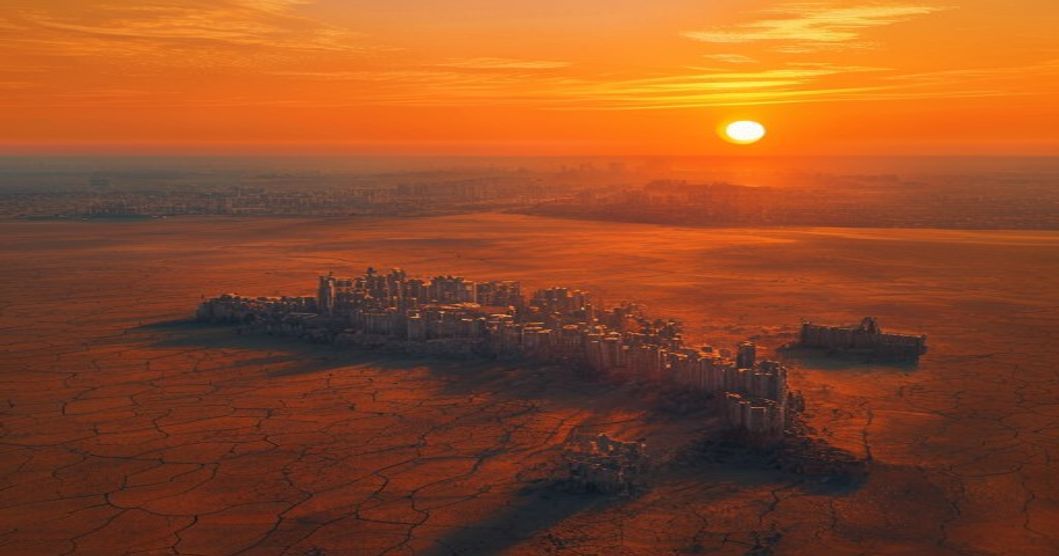
# The Great Global Bake-Off: When Europe Gets Hotter Than Delhi, There's No Escaping the Climate Crisis The year 2026 will be etched into our collective memory, not just for the searing heat that gripped India, but for a chilling global paradox: Europe, once the quintessential summer escape for North Indians, found itself battling temperatures that rivaled, and in some cases, surpassed, our own scorching plains. As environmental journalists at "Environment Warrior," we've chronicled India's climate struggles for years, but this year's events paint a stark, terrifying picture of a planet in crisis, leaving no corner untouched. ## India's Scorching Reality: A Nation Under Siege For months, India has been a cauldron. The 2026 heatwave crisis delivered a brutal blow, with record temperatures sweeping across vast swathes of the country.
Every news cycle brings grim updates: heat-related deaths escalating, public health infrastructure buckling, and daily life grinding to a halt. From bustling metros to rural heartlands, the heat's impact has been pervasive and devastating. Farmers face crop failures as fields bake; labourers risk heatstroke for meagre wages. Children, the elderly, and the economically vulnerable bear the disproportionate brunt, highlighting deep-seated inequalities exacerbated by climate change.
The medical community is overwhelmed, treating an unprecedented surge in heat-related illnesses—dehydration, heat exhaustion, and fatal heatstroke. Hospitals report shortages of critical supplies and staff, stretched thin by patient volume. This isn't just discomfort; it's a full-blown public health emergency, a stark reminder of our vulnerability. The urgent need for long-term heat preparedness—early warning systems, cool shelters, green infrastructure—has never been more apparent.
Yet, even as we scramble to adapt, the fundamental question looms: how much more can we endure? ## Europe's Unprecedented Blaze: The Summer Escape That Wasn't Just as India grappled with its inferno, a shocking narrative unfolded across Europe. For decades, the continent's cool, pleasant summers attracted travellers worldwide, especially from North India, seeking respite. European cities—Paris, London, Rome—were synonymous with breezy evenings and vibrant street life, an idyllic escape.
June 2026, however, shattered this perception. Social media platforms were flooded with images and videos that defied belief. Traffic lights melting in Italy and Germany, captured in a viral video by Cevre TV (Turkey), became a chilling symbol of the unprecedented heat. Temperatures soared well beyond 40°C in several European destinations, shattering all-time records.
Places like Paris, London, and even traditionally cooler Nordic regions experienced heat that left residents struggling and claimed several lives. The World of Statistics report confirmed what many found unbelievable: parts of Europe were indeed hotter than several North Indian cities. This wasn't just a bad summer; meteorological agencies and climate researchers declared it one of the most intense heatwaves Europe had experienced in decades. Scientists unequivocally linked this extreme weather event to human-induced climate change.
The irony was palpable: the very destinations North Indians once flocked to escape the heat were now experiencing their own climate crisis, questioning the notion of a "safe haven. " ## The Global Thread: Climate Change Leaves No Corner Untouched What links the scorching plains of Uttar Pradesh to the melting asphalt of Germany? The answer, unequivocally, is human-induced climate change. The scientific consensus is overwhelming: our planet is warming at an alarming rate due to greenhouse gas emissions from fossil fuels, deforestation, and industrial activities.
This warming doesn't manifest as uniform temperature increase; rather, it supercharges weather systems, leading to more frequent, intense, and prolonged extreme weather events. Heatwaves, once anomalies, are becoming the new normal. "Environment Warrior" has consistently highlighted how climate change amplifies the risks of such events, making them deadlier and more widespread. The 2026 heatwaves in both India and Europe are not isolated incidents but symptoms of a larger, systemic planetary fever.
They serve as a grim reminder that climate change is not a distant threat or a problem for future generations; it is here, now, impacting lives, economies, and ecosystems globally. There is no escaping its reach, no privileged geography immune to its wrath. ## Beyond the Thermometer: The Hidden Costs The cost of these heatwaves extends far beyond mere temperature readings and unfortunate fatalities. Economically, the impact is staggering.
Agricultural losses, decreased labour productivity, increased energy consumption for cooling, and strain on healthcare systems represent billions in damages. The tourism industry, a significant contributor to many European economies, faces an existential threat as its primary appeal – pleasant summers – vanishes. Who will travel to Paris for a summer holiday if it's hotter than Chennai? Socially, the fabric of communities is fraying.
Mental health challenges linked to prolonged exposure to extreme heat, disruption of daily routines, and the constant anxiety of living in a changed climate are becoming increasingly prevalent. The psychological burden of navigating such extreme conditions adds another layer of complexity to public health challenges. The melting traffic lights in Italy and Germany are not just a viral sensation; they symbolize a breakdown in infrastructure resilience, hinting at vast investments needed to adapt our cities and systems to a hotter future. ## The Shattered Illusion of Escape For years, the narrative was simple: when summer hit North India, a European getaway offered a refreshing reprieve.
It was a privilege, a dream for many, to trade the dusty, hot plains for the cobblestone streets and cool breezes of London or the cafes of Rome. June 2026 has brutally dismantled this illusion. The very idea of a "summer escape" to Europe has become a cruel joke, replaced by images of desperate residents coping with brutal heat, just like their counterparts in Delhi or Lucknow. This paradigm shift forces us to confront an uncomfortable truth: there is no escape from climate change.
Whether you are in a developing nation like India, acutely vulnerable, or a developed nation in Europe, once thought to be insulated, the crisis is universal. It transcends borders, economies, and social strata. This realization must fuel a renewed sense of urgency and shared responsibility. ## India's Imperative: Building Resilience in a Warming World As India grapples with the immediate and long-term consequences of its own heatwave crisis, the European experience offers a dual lesson: a warning and a call to action.
While India is historically more accustomed to high temperatures, the intensity and duration of recent heatwaves are unprecedented. We cannot afford complacency. Our focus must shift dramatically towards comprehensive, long-term heat preparedness. This includes: * **Robust Early Warning Systems:** Enhancing meteorological forecasting and disseminating timely, actionable information.
* **Heat-Resilient Infrastructure:** Designing and retrofitting buildings with passive cooling, promoting green roofs, and integrating urban green spaces to combat the urban heat island effect. * **Public Health Interventions:** Establishing cool shelters, ensuring access to clean drinking water, and launching public awareness campaigns on heat safety. * **Protecting Vulnerable Workers:** Implementing policies for outdoor workers, such as mandatory breaks, water access, and shaded work areas. * **Sustainable Urban Planning:** Prioritizing tree plantation drives, developing water-sensitive urban designs, and reducing reliance on heat-absorbing materials.
* **Investing in Renewable Energy:** Accelerating the transition away from fossil fuels to mitigate root causes. The DAV Public School in Palampur, hosting debates on "Government Should Focus More on Development than Climate Change," underscores a dangerous false dichotomy. True development in the 21st century *must* integrate climate resilience. Ignoring climate change is not a path to development; it's a guaranteed route to collapse.
## A Global Call to Action: From Local Streets to International Stages The events of 2026 serve as a deafening alarm. The interconnectedness of our planet means climate change in one region invariably affects others. India's heatwave and Europe's unprecedented summer are two sides of the same coin, minted in the fires of a warming world. This demands not just national action but intensified global cooperation.
Pledges made at international forums must translate into tangible, accelerated action. Developed nations, historically responsible for a larger share of emissions, have a moral and ethical obligation to support developing nations like India in adaptation and mitigation, through technology transfer and financial aid. As we at "Environment Warrior" continue to report on these unfolding realities, our message remains clear: the time for incremental change is over. We need a radical shift in how we live, produce, and consume.
We need policies that prioritize planetary health alongside human well-being. The WHO's integration of traditional medicine practices like yoga into broader global health and sustainable development agendas, as highlighted by the 12th International Day of Yoga, offers a glimpse into holistic approaches to well-being that acknowledge the interconnectedness of human and planetary health. While yoga won't solve heatwaves, its emphasis on balance, mindfulness, and healthy living aligns with the broader ethos of sustainable living and resilience that our world desperately needs. ## Conclusion: The Future is Now The summer of 2026 has redefined our understanding of climate vulnerability.
It has shown us that the climate crisis is not a distant threat, but a present, undeniable reality that respects no borders. From the crowded streets of Mumbai to the historic avenues of Rome, the message is clear: the Earth is warming, and we are all in this together. For India, this means doubling down on climate action, building resilience, and advocating fiercely for global equity in climate solutions. For the world, it means recognizing the universal nature of this challenge and uniting with unprecedented urgency.
The "Environment Warrior" stands ready to continue its mission, empowering our readers with knowledge and inspiring them to become agents of change. The future is not coming; it is here, and it demands our unwavering attention and action.