Climate Change
Telangana's Drying Nets: Climate Shifts Threaten Fisherfolk Livelihoods
Erratic monsoons and rising water temperatures decimate fish populations, pushing Telangana's fisherfolk to an uncertain future.
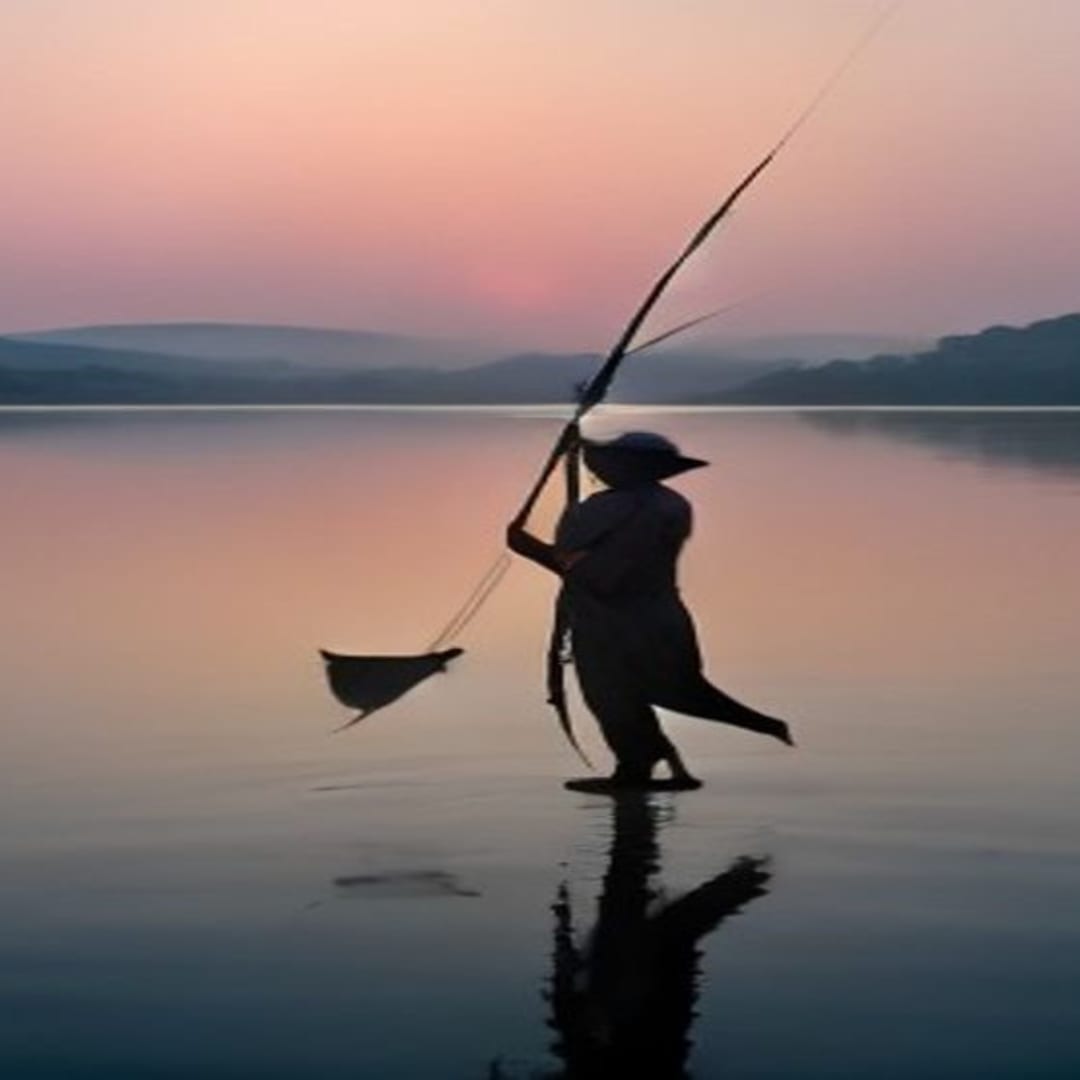
The pre-dawn light barely pierced the humid air as Mallesh, a seasoned fisher from a village near the Sriram Sagar reservoir, cast his net. His calloused hands moved with a practiced rhythm honed over four decades, but the usual confidence in his eyes was replaced by a deepening worry. For generations, his family had drawn their sustenance from these waters, their lives interwoven with the pulse of the Godavari. But lately, that pulse has become erratic, almost feverish.
The catch, once abundant, is dwindling, and the fish themselves seem smaller, weaker. "The river is not the same," he muttered, pulling in a net with barely a handful of fry. "The heat takes its toll, and the rains... they either don't come, or they drown everything.
" Mallesh’s experience is not isolated; it’s a lived reality for thousands of fisherfolk communities across Telangana, a state whose inland fisheries are now grappling with the increasingly harsh realities of India's climate crisis. The twin threats of rising water temperatures and unpredictable monsoon patterns are not just impacting fish populations; they are eroding ancient livelihoods, disrupting local economies, and casting a long shadow over regional food security. ## A Warming Cradle: When Waters Turn Hostile Telangana, with its vast network of reservoirs, tanks, and rivers like the Godavari and Krishna, has historically boasted a thriving inland fishery sector. These water bodies, from the sprawling Nagarjuna Sagar and Sriram Sagar to thousands of smaller village tanks, are vital for providing protein and income to an estimated 300,000 fisher families.
However, climate change is fundamentally altering these aquatic ecosystems. Data from the `Indian Meteorological Department (IMD)` indicates a consistent upward trend in ambient temperatures across Telangana over the past two decades, with projections showing further increases. This atmospheric warming directly translates into warmer water bodies. Dr.
Anjali Sharma, a leading aquatic ecologist at `Osmania University`, explains the profound implications: "Freshwater fish, particularly native species like Rohu, Catla, and Mrigal, are highly sensitive to temperature fluctuations. Each species has an optimal temperature range for breeding, feeding, and growth. When water temperatures exceed this range, it stresses the fish, reduces their metabolic efficiency, and makes them more susceptible to diseases. " Warmer water also holds less dissolved oxygen, a critical element for aquatic life.
"Think of it like us trying to breathe in thinner air," Dr. Sharma elaborated. "For fish, lower oxygen levels, especially in deeper, stratified layers of reservoirs during extended hot spells, lead to 'dead zones' where survival is impossible. This forces fish into shallower, often overcrowded areas, further increasing stress and competition for food.
" ## Monsoon's Capricious Dance: A Deluge of Problems Compounding the heat challenge is the increasing unpredictability of the monsoon. Telangana has witnessed a disturbing pattern of either prolonged droughts or intense, short-duration downpours that lead to flash floods. Both extremes are detrimental to fisheries. During drought years, water levels in reservoirs and tanks recede drastically.
This reduces the habitat available for fish, concentrates populations, and makes them easier prey for birds and other predators. More critically, it dries up traditional breeding grounds in shallow floodplains and tributary streams. "Many indigenous fish species rely on the monsoon floods to move into inundated areas for spawning," explained Rama Rao, a senior officer with the `Telangana State Fisheries Department`. "When the rains are delayed or insufficient, these critical breeding cycles are interrupted, leading to poor recruitment of new fish stocks for the next season.
" Conversely, sudden, heavy rainfall can cause rapid changes in water turbidity, temperature, and chemistry, shocking fish populations. Flash floods can also wash away fish seeds and juvenile fish, especially from aquaculture ponds, leading to significant economic losses for those who invest in rearing. The sudden influx of large volumes of water can also breach smaller tanks, scattering fish and destroying infrastructure. ## Empty Nets, Empty Stomachs: The Human Cost The ecological disturbances have direct and devastating consequences for the fisherfolk.
Mallesh, for instance, used to earn around ₹500-₹700 on a good day, enough to support his family of five. Now, his daily earnings often drop below ₹200, barely enough to cover his basic needs. "We have debt now," he confessed, his voice heavy. "We used to.
The children are still in school, but how long can this continue? " This economic precarity forces many to seek alternative, often precarious, labor in urban centers or other agricultural sectors, abandoning a profession that is not just a livelihood but an identity passed down through generations. The younger generation, witnessing their elders' struggles, is increasingly reluctant to continue the family tradition, leading to a loss of traditional knowledge and skills associated with sustainable fishing practices. Women in fisherfolk families, traditionally involved in processing, selling, and managing household finances, are particularly impacted.
With reduced catches, their access to income diminishes, exacerbating gender inequalities and pushing families deeper into poverty. The nutritional security of these communities, heavily reliant on fish as a primary protein source, is also compromised. ## Adapting to the New Normal: Challenges and nascent Solutions Recognizing the escalating crisis, the `Telangana State Fisheries Department` has been working to support fisherfolk, primarily through the distribution of fish seed (juveniles) at subsidized rates, especially after the formation of new Fishermen Cooperative Societies. "We stock millions of fish seeds annually in public water bodies to augment natural populations," stated a department official.
"This helps maintain a baseline, but the climate challenges are making even these efforts difficult to sustain effectively. " Some communities are exploring climate-resilient aquaculture practices. For instance, in areas around Karimnagar and Warangal, small-scale farmers are experimenting with pond-based aquaculture that allows for better water management and controlled environments. However, these initiatives require significant initial investment and technical expertise, often out of reach for traditional, resource-poor fisherfolk.
Another adaptive strategy involves diversifying livelihoods. Some fishers are now venturing into ecotourism on larger reservoirs, offering boat rides or guiding birdwatching tours during lean fishing seasons. Others are undergoing training in alternative skills like net mending for other industries or small-scale farming of climate-resilient crops. However, these transitions are slow, fraught with challenges, and cannot replace the primary income source for everyone.
## A Call for Comprehensive Climate Action The plight of Telangana's fisherfolk underscores the urgent need for a multi-pronged approach to climate adaptation in India's inland fisheries sector. This includes: * **Enhanced Research and Monitoring:** Investing in real-time monitoring of water temperatures, oxygen levels, and fish populations in major reservoirs to provide early warnings and inform management strategies. * **Climate-Resilient Aquaculture:** Promoting and incentivizing the adoption of advanced aquaculture techniques, such as biofloc technology or recirculating aquaculture systems (RAS), which are less dependent on natural water bodies and more resilient to climate extremes. * **Community-Led Adaptation:** Empowering Fishermen Cooperative Societies with resources and training to implement localized adaptation strategies, including the restoration of natural breeding grounds and sustainable harvesting practices.
* **Livelihood Diversification Programs:** Expanding government schemes to include robust vocational training and financial support for fisherfolk seeking alternative livelihoods, ensuring a just transition. * **Integrated Water Resource Management:** Implementing holistic strategies for river basin management that consider the needs of fisheries alongside agriculture, industry, and drinking water, especially in the context of erratic monsoons. * **Policy Support:** Developing specific climate change adaptation policies for the fisheries sector that include provisions for climate insurance and disaster relief tailored to the unique risks faced by fisherfolk. As the sun dipped below the horizon, painting the Sriram Sagar reservoir in hues of orange and purple, Mallesh packed his meagre catch.
His grandfather had once told him stories of nets so heavy with fish they would almost capsize the boat. Today, the struggle is not just against the fish, but against the very elements that once sustained them. The future of Telangana's inland fisheries, and the communities built around them, hinges on how swiftly and decisively we respond to this escalating climate challenge. The waters are warming, the monsoons are unpredictable, and time is running out for Mallesh and countless others like him to adapt before their age-old traditions, and their very existence, are swept away by the current of climate change.