Renewable Energy
Solar's Quiet Surge: Ending Diesel's Reign in Rural India
Decentralized solar solutions are silencing diesel generators, bringing reliable, clean power and transforming livelihoods across India's underserved heartlands.
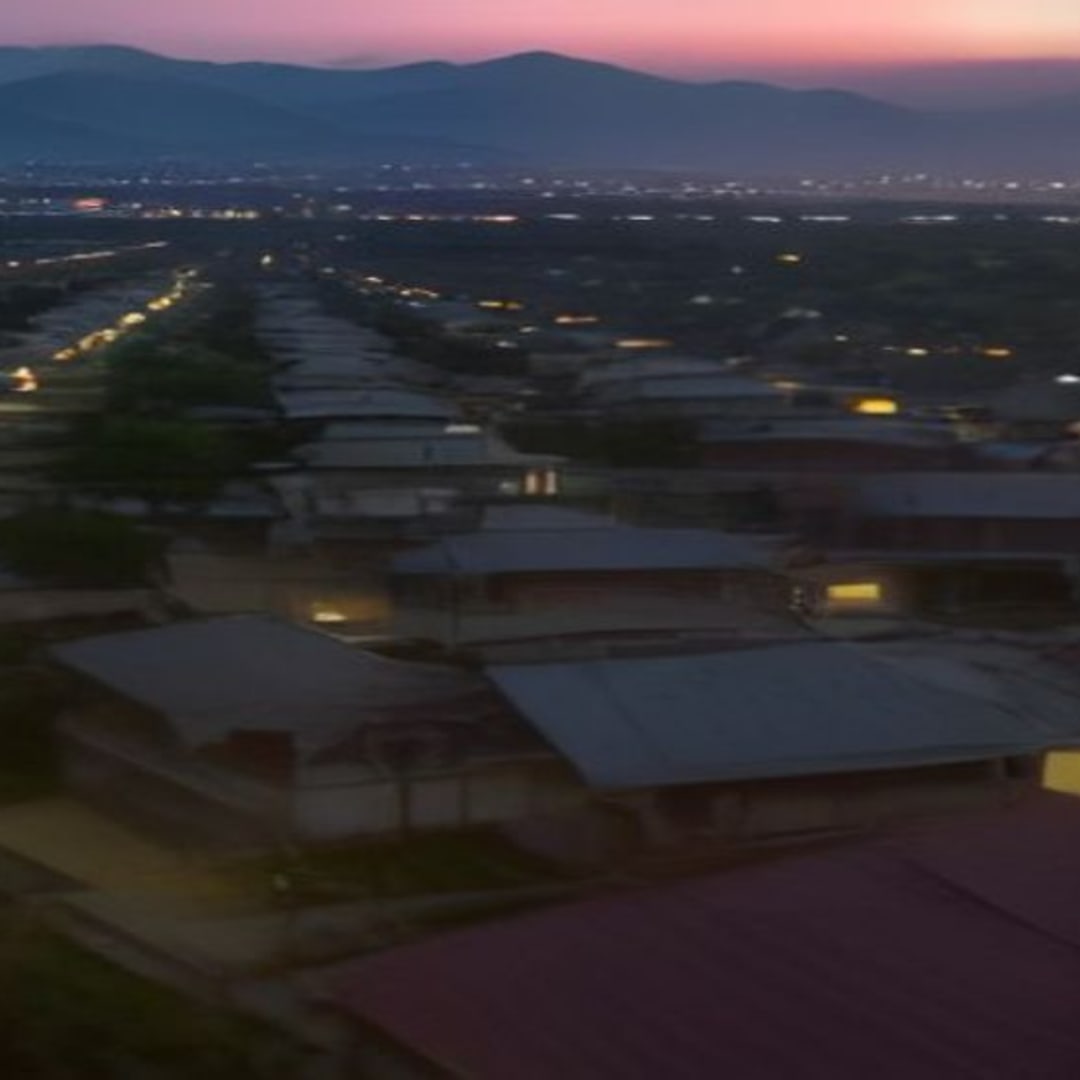
22 August 2026 ## Beyond the Generator's Grumble: Solar's Quiet Surge in India's Remote Villages In the heart of Banka district, Bihar, Ratanpur village once knew a rhythm dictated by the erratic sputter and roar of diesel generators. For decades, electricity was a luxury, a brief, noisy interlude powered by expensive, polluting fuel. Families like the Sharmas, who ran the village's only general store, relied on a small, temperamental generator for a few hours each evening. The fumes would mingle with the evening air, the persistent drone a constant reminder of their energy insecurity.
Students struggled to study after sunset, their textbooks illuminated by dim, flickering kerosene lamps or the brief, expensive glow of generator-fed bulbs. For Ratanpur, and countless other villages across India's remote heartlands, reliable power was a distant dream, and the diesel generator, for all its flaws, was their only tether to the modern world. This landscape, however, is now undergoing a profound, quiet transformation. India in 2026 grapples with an unprecedented climate crisis, marked by scorching temperatures and unpredictable monsoons, while its cities choke under critical air pollution levels.
Amidst these daunting challenges, a powerful, positive narrative is unfolding in its rural expanse: the accelerating expansion of solar energy. This surge isn't just about adding gigawatts to the national grid; it's about a fundamental shift in energy access, particularly the displacement of polluting, expensive diesel generators by decentralized solar solutions. This transition is not merely an environmental victory; it's a socio-economic revolution, empowering communities and fostering resilience from the ground up. ## The High Cost of Diesel Reliance: A Persistent Shadow For millions in India's remote villages, where grid connectivity remains unreliable or non-existent, diesel generators have been the default power source.
But this reliance comes at a steep price. Economically, diesel is volatile and expensive. Transporting fuel to remote areas adds further costs, making electricity exorbitant for daily use. A small shop owner might spend anywhere from ₹3,000 to ₹6,000 or more monthly just to power basic lights and a fan for a few hours, severely cutting into their already thin margins.
For households, the burden is even heavier, often forcing them to choose between essential needs and basic illumination. Environmentally, diesel generators are prolific polluters. They emit particulate matter (PM2. 5, PM10), nitrogen oxides (NOx), sulfur dioxide (SO2), and black carbon – all significant contributors to local air pollution and regional haze.
The constant inhalation of these fumes leads to respiratory illnesses, cardiovascular problems, and other chronic health issues, quietly eroding the well-being of communities. The noise pollution is also a constant irritant, impacting peace and concentration, especially for children trying to study or adults seeking rest after a long day of labour. Socially, limited and expensive power curtails opportunities. Businesses cannot extend operating hours, cold storage for perishables is impossible, and essential services like healthcare often operate without reliable electricity, jeopardizing vaccine integrity or critical medical equipment.
Children, particularly girls, are disproportionately affected, their educational pursuits often curtailed by the absence of safe, adequate lighting after dusk. The diesel generator, once a symbol of limited progress, had become a perpetuator of a cycle of underdevelopment. ## Solar's Silent Arrival: A Beacon of Change The narrative of Ratanpur began to change a few years ago with the installation of a community-led solar microgrid. Supported by a government-backed initiative promoting Decentralized Renewable Energy (DRE) solutions and local NGOs, a cluster of solar panels now stood silently, soaking up the abundant Bihar sun.
This wasn't a connection to a distant, unreliable grid; this was power generated and distributed right within the village, managed by the community itself. The change was immediate and profound. The initial investment for these microgrids, often facilitated by government subsidies from the Ministry of New and Renewable Energy (MNRE) and innovative financing models (like pay-as-you-go systems), is higher than a single diesel generator. However, the operational costs are drastically lower.
With no fuel to buy and minimal maintenance, villages like Ratanpur now access power at a fraction of the cost, often seeing a 30-50% reduction in their monthly energy expenses. ## A Multitude of Transformations: Life Under the Sun ### Economic Empowerment For the Sharmas, the solar microgrid meant they could keep their general store open much longer, attracting more customers. "Before, we closed by 7 PM because the generator cost too much to run all night," says Mrs. Sharma.
"Now, with reliable, affordable solar power, we stay open until 10 PM. Our sales have increased significantly, and we can even offer cold drinks, which was unthinkable before. " This sentiment is echoed across the village. Artisans can use electric tools, increasing productivity and quality.
Flour mills, once dependent on erratic grid supply or expensive diesel, now run consistently. New enterprises, like small cold storage units for vegetables, have sprung up, reducing post-harvest losses and boosting farmers' incomes. The stability of power has unlocked economic potential previously stifled by energy scarcity. ### Health and Education Reimagined The most immediate and palpable relief came from the disappearance of diesel fumes.
The air inside homes and shops is noticeably cleaner, reducing respiratory ailments. Children, no longer subjected to the generator's drone or the smoke of kerosene lamps, can study for longer hours in well-lit homes. "My children can read and do their homework properly now," shares a mother in Ratanpur. "Before, their eyes would strain, and they'd often complain of headaches from the fumes.
Now, it's peaceful, and they perform better in school. " Local health clinics, often struggling with power outages, now have reliable electricity for critical functions – refrigerating vaccines, powering medical equipment, and providing better lighting for examinations and childbirths. This seemingly simple change has a profound impact on public health outcomes. ### Social Cohesion and Safety Extended hours of street lighting, powered by solar, have enhanced safety and security, particularly for women and children moving around after dark.
Community spaces, once dark and unused, now host evening gatherings, cultural events, and adult literacy classes. The shared experience of managing the microgrid has also fostered a stronger sense of community ownership and cooperation, with local villagers trained as 'solar sahelis' or technicians, ensuring maintenance and quick repairs. ## India's DRE Push: A National Imperative This quiet revolution in Ratanpur is not an isolated incident but part of a strategic national push. India's government, through the MNRE, has consistently advocated for and supported Decentralized Renewable Energy (DRE) solutions.
While schemes like the Pradhan Mantri Sahaj Bijli Har Ghar Yojana (Saubhagya scheme) focused on grid connectivity to nearly every household, the DRE initiatives address the critical need for *reliable, quality* power in areas where grid infrastructure is still nascent or prone to disruptions. These policies recognize that a centralized grid alone cannot solve India's diverse energy challenges, especially in its vast and varied rural landscape. The emphasis is now on building local energy independence and resilience. DRE systems, from microgrids to solar-powered pumps, are proving to be more robust against climate shocks and grid failures.
They also empower local communities by placing energy generation and management directly in their hands, fostering local entrepreneurship and skill development. India aims to significantly scale up its DRE capacity, leveraging its abundant solar resource to create a more equitable and sustainable energy future. ## Challenges and the Path Forward While the success stories are inspiring, challenges remain. The initial capital investment for DRE projects can still be a barrier, requiring continued government support and innovative financing mechanisms.
Ensuring long-term maintenance and technical support in remote areas is crucial, necessitating robust local training programs for technicians. Furthermore, integrating these decentralized systems with the evolving national grid in a smart, efficient manner is a complex, ongoing task. However, the lessons learned from villages like Ratanpur provide a clear roadmap. Community engagement, local ownership, skill development, and a supportive policy framework are the pillars of this transformation.
As India strives for energy security and climate resilience, the quiet hum of solar panels replacing the roar of diesel generators represents not just a technological shift but a fundamental re-imagining of development itself. It's a testament to the fact that even amidst immense environmental pressures, India is actively building a cleaner, more empowered future, one sun-drenched village at a time. The solar surge in rural India is more than just an energy transition; it's a testament to human ingenuity and resilience. It's about empowering millions to dream bigger, live healthier, and build a brighter future, all powered by the silent, steady strength of the sun.
As India continues its journey towards a sustainable future, these quiet victories in its heartlands will define its success on the global stage.