Energy & Sustainability
Solar's Last Mile: Empowering Remote India Beyond the Grid
As traditional grid expansion falters, off-grid solar mini-grids are bringing light, opportunity, and hope to India's most remote and tribal communities.
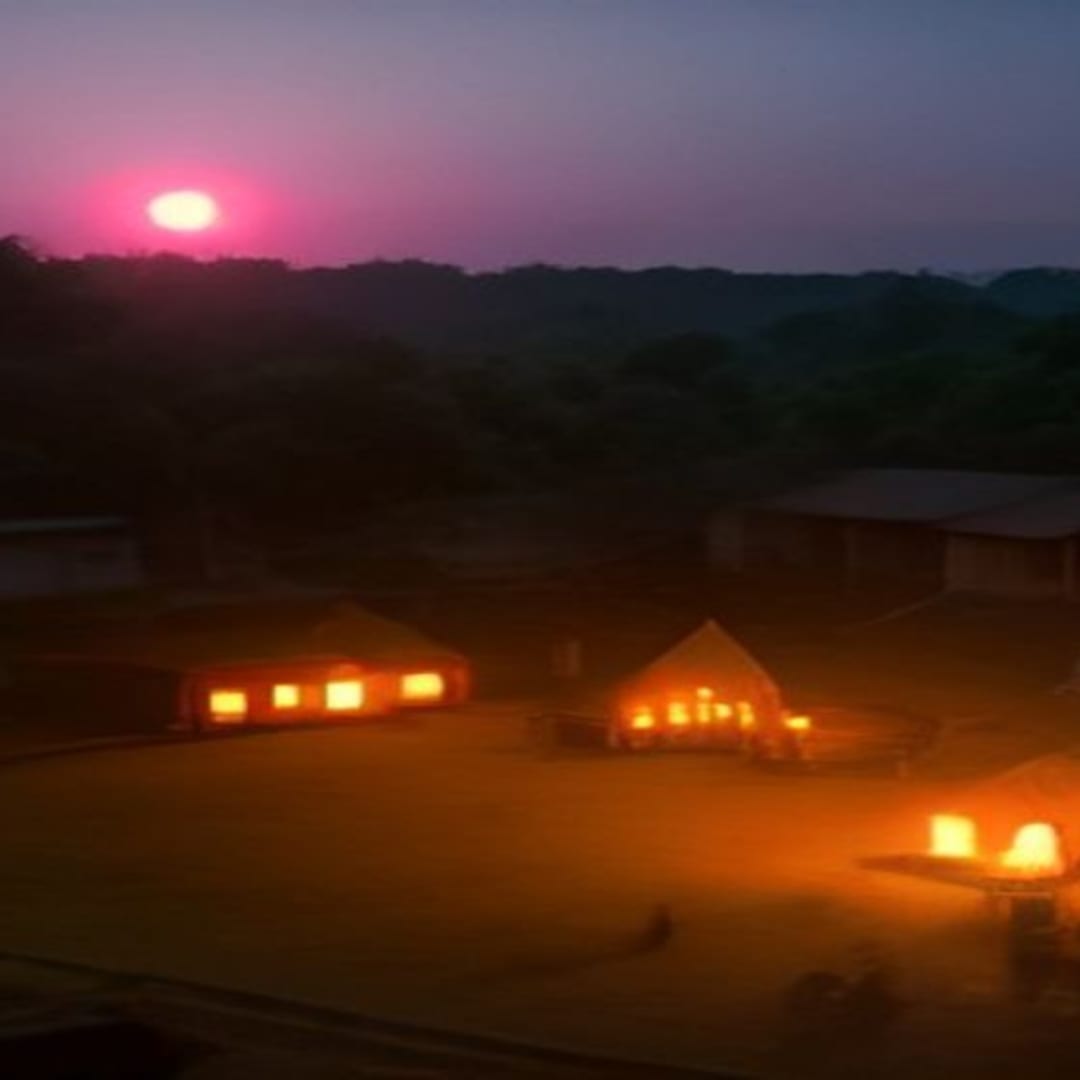
For generations, the rhythmic hum of diesel generators was the only promise of light in **Kandhamal's remote hamlets**, deep in the tribal heartland of Odisha. Life began and ended with the sun, punctuated by the expensive, polluting flicker of kerosene lamps. Children struggled to study after dusk, women navigated dark paths, and local economies stagnated without reliable power. But in 2026, a quiet revolution is taking hold in villages like **Kankadaguda**, powered by the very sun that once dictated their lives.
This isn't just about switching on a light bulb; it's about unlocking human potential, fostering local economies, and redefining what it means to be 'connected' in India's vast, often overlooked rural expanse. As India accelerates its solar energy expansion, the true triumph isn't just in gigawatt targets, but in the micro-grids illuminating the nation's 'last mile' – the communities where conventional electricity grids simply cannot, or will not, reach. ## The Unreachable Grid: A Persistent Divide Despite ambitious electrification drives, a significant portion of India's population, particularly in challenging terrains like dense forests, mountainous regions, or scattered tribal settlements, remains underserved by the national grid. Extending traditional grid infrastructure to these areas is often economically unviable and environmentally disruptive.
The cost of laying kilometers of transmission lines and setting up substations for a handful of households can be prohibitive, leaving these communities in persistent energy poverty. For these millions, the promise of a brighter future remained just that – a promise. Businesses couldn't flourish, healthcare facilities struggled to store vaccines, educational outcomes were hampered by lack of evening study, and the overall quality of life remained starkly different from their grid-connected counterparts. Diesel generators, while offering a temporary reprieve, came with exorbitant fuel costs, noise pollution, and harmful emissions, locking communities into a cycle of dependency and environmental degradation.
## Decentralized Power: The Rise of Solar Mini-Grids The solution proving transformative is a decentralized approach: **solar mini-grids**. These small-scale power generation and distribution systems, typically ranging from a few kilowatts to a few hundred kilowatts, operate independently of the national grid. They harness solar energy, store it in batteries, and distribute it locally to homes, shops, and community centers through a dedicated micro-distribution network. Organizations like the **SELCO Foundation**, a pioneer in sustainable energy solutions for the poor, have been instrumental in demonstrating the efficacy and scalability of this model.
They don't just provide technology; they build capacity, train local technicians, and foster entrepreneurial ecosystems around energy access. Their approach goes beyond mere illumination, integrating solar power for livelihood generation, health services, and educational empowerment. In Kankadaguda, for instance, a 15 kW solar mini-grid, installed with community participation, now powers every home and several small businesses. The system is managed by a village energy committee, ensuring local ownership and sustainable operation.
This is a stark contrast to the top-down models that often fail due to lack of local engagement. ## Beyond Illumination: Fueling Livelihoods and Education The impact of these mini-grids extends far beyond basic lighting. Consider the ripple effects: * **Economic Empowerment:** Tailors can now work longer hours, increasing their income. Small shops can keep refrigerators running, selling perishables and expanding their inventory.
Flour mills powered by solar replace strenuous manual grinding, freeing up time and labor. Artisans can use power tools, enhancing productivity and product quality. This fosters local entrepreneurship and keeps economic value within the village. * **Education and Health:** Children in Kankadaguda now have well-lit spaces to study in the evenings, significantly improving their academic performance.
Community learning centers, equipped with solar-powered computers, open up new avenues for digital literacy. Primary healthcare centers can reliably power medical equipment, refrigerate medicines, and operate clinics after dark, improving health outcomes for vulnerable populations. * **Social Transformation:** Women, who traditionally bore the brunt of energy poverty (collecting firewood, managing smoky kerosene lamps), experience greater safety and convenience. Community gathering spaces are now lit, fostering social cohesion and allowing for evening meetings and cultural activities.
The reduced reliance on polluting fuels also translates to improved indoor air quality and fewer respiratory illnesses. ## Policy and Progress: India's Distributed Renewable Energy Push The acceleration of solar mini-grids is not purely an NGO-driven phenomenon. India's government, recognizing the limitations of centralized grid expansion, has increasingly emphasized **Distributed Renewable Energy (DRE)** solutions. While the **Pradhan Mantri Kisan Urja Suraksha evam Utthaan Mahabhiyan (PM-KUSUM) scheme** focuses on solarizing agricultural pumps, there are broader policy frameworks and state-level initiatives encouraging mini-grid development.
States like Odisha, Chhattisgarh, and parts of the Northeast, with significant remote populations, are actively exploring partnerships with private developers and local communities to deploy these systems. The aim is to create a robust ecosystem that supports the financing, installation, and long-term maintenance of DRE projects, ensuring their sustainability and impact. Data from the Ministry of New and Renewable Energy (MNRE) indicates a significant increase in the number of villages electrified through DRE solutions, with solar mini-grids playing a pivotal role. While precise national statistics on operational mini-grids are still evolving, localized success stories point to hundreds of megawatts of distributed solar capacity making a real difference in previously unserved areas.
## The Road Ahead: Challenges and Opportunities Despite the remarkable progress, challenges remain. Ensuring the financial viability of mini-grids requires innovative business models, often blending user tariffs with subsidies or carbon credits. Robust local maintenance and repair networks are crucial to avoid system failures. Furthermore, integrating these independent mini-grids with the evolving national grid, as it expands, presents technical and regulatory complexities.
However, the opportunities far outweigh the hurdles. Solar mini-grids are not just an interim solution; they represent a fundamental shift towards a more resilient, equitable, and sustainable energy future for India. They empower communities to be producers, not just consumers, of energy, fostering a sense of ownership and self-reliance. As 3 August 2026 dawns, the sun continues its relentless journey across the Indian subcontinent.
But now, in countless remote hamlets, its rays are being captured, stored, and transformed into a powerful force for change. The last mile, once a symbol of exclusion, is fast becoming the frontier of India's true energy independence – a testament to human ingenuity and the boundless potential of the sun.