Climate Change
Raipur's Burning Bastis: Heat Traps in Chhattisgarh's Urban Core
Informal settlements in Raipur bear the brunt of extreme heat, exposing deep inequalities in climate resilience.
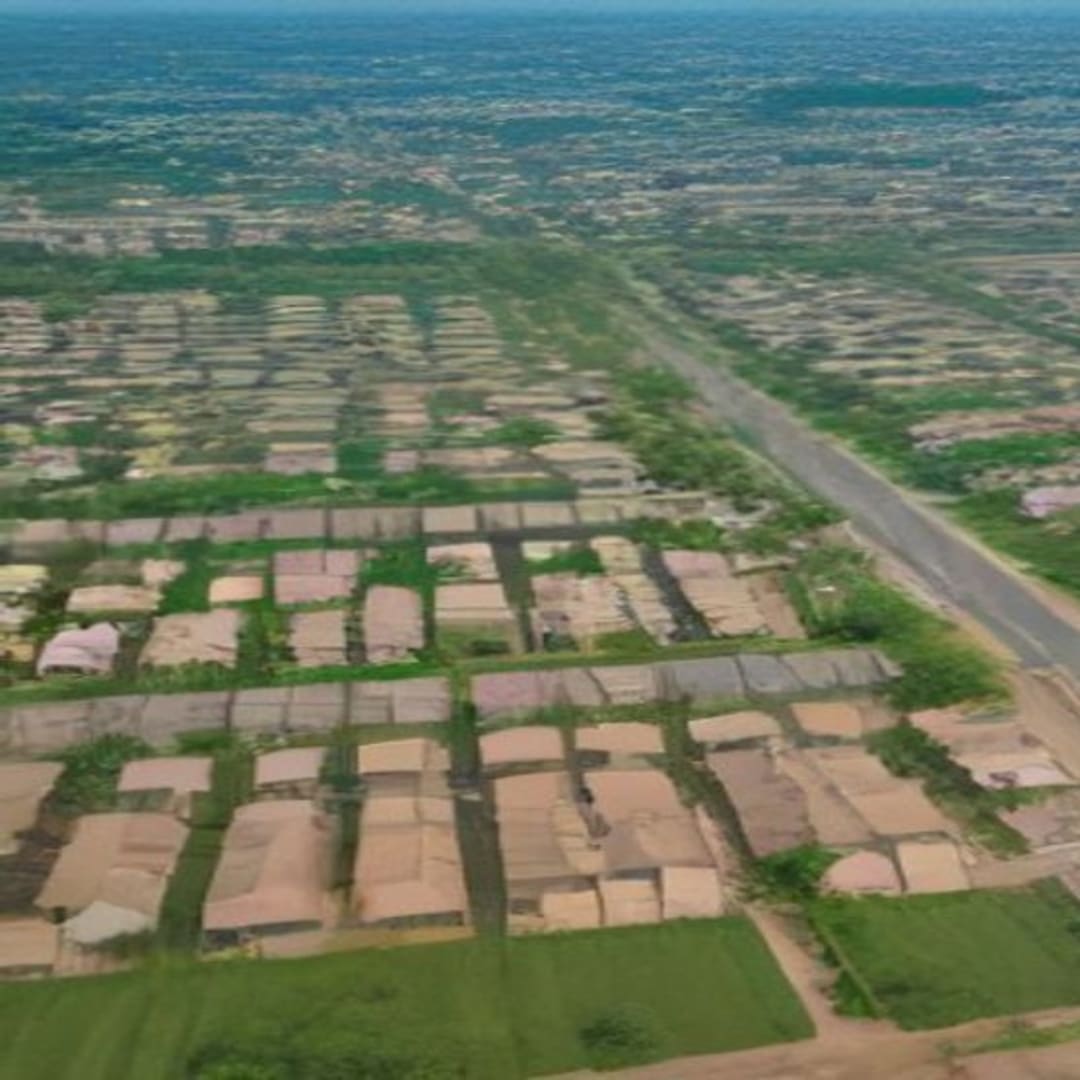
For Meena Devi, a day in September 2026 is often indistinguishable from one in May. Inside her corrugated tin-roofed home in one of Raipur's densely packed informal settlements, the heat is relentless. Even at 8 PM, the walls radiate the day’s stored energy, turning her small dwelling into an oven. "It’s like living inside a pressure cooker," she says, fanning herself with a tattered newspaper.
"My children struggle to sleep, often waking up drenched in sweat. There's no relief, no escape. " Meena's experience is far from isolated. Raipur, the capital of Chhattisgarh, is a rapidly urbanizing city in India's central plains.
While it boasts modern infrastructure in its planned areas, a significant portion of its population resides in informal settlements, often called 'bastis' or unauthorized colonies. These communities, built with inexpensive, heat-absorbing materials and lacking green spaces or adequate public services, are disproportionately vulnerable to India's intensifying climate crisis, particularly the escalating threat of extreme heat. ## The Invisible Divide: Urban Heat Islands and Spatial Injustice India's climate crisis in 2026 is marked by unprecedented temperatures, erratic monsoons, and a surge in extreme weather events. While the entire nation grapples with these challenges, urban centers like Raipur face an additional layer of complexity: the urban heat island (UHI) effect.
UHIs occur when metropolitan areas are significantly warmer than their surrounding rural areas, primarily due to human activities. Concrete and asphalt surfaces absorb and re-emit solar radiation more efficiently than natural landscapes, while buildings block wind and heat from escaping. Industrial activity and vehicular exhaust further contribute to this localized warming. In Raipur, this phenomenon is not just an environmental metric; it's a matter of life and death, particularly for its most marginalized residents.
The city's informal settlements, often characterized by cramped living conditions, narrow lanes, and an acute absence of green cover, are prime heat traps. Homes constructed with materials like tin, asbestos sheets, and low-quality brick offer minimal insulation, turning indoor spaces into unbearable furnaces. Unlike their counterparts in wealthier, planned neighborhoods with access to air conditioning, cooling centers, or shaded parks, residents of these bastis have few options to mitigate the heat. This creates a stark spatial injustice.
While air-conditioned offices and homes in the city's upscale areas offer respite, families in settlements like those near Telibandha or Tatibandh junctions endure temperatures several degrees higher, both indoors and outdoors. The lack of proper ventilation, coupled with electricity supply issues that hinder even fan usage during peak hours, compounds their suffering. The physical environment itself becomes a weapon against their well-being. ## Raipur's Rapid Growth, Unequal Burden Chhattisgarh's economy, fueled by its rich mineral resources and a growing industrial base, has seen Raipur emerge as a crucial administrative and commercial hub.
This rapid growth, however, has often occurred without comprehensive, inclusive urban planning. As people migrate from rural areas in search of livelihoods, informal settlements expand, often on marginal lands vulnerable to environmental hazards. The focus on economic development has frequently sidelined considerations of climate resilience and environmental equity for these burgeoning populations. Development policies, while aiming to provide housing and infrastructure, often fail to integrate climate-smart design principles.
For instance, while schemes like the Pradhan Mantri Awas Yojana (PMAY) aim to provide 'Housing for All,' the thermal performance of these new constructions, especially for low-income housing, is rarely a primary consideration. Homes are built for speed and cost-efficiency, not for climate resilience, inadvertently creating new heat traps. "We need homes that protect us, not just provide shelter," says Rajesh Kumar, a construction worker residing in an informal settlement on Raipur's outskirts. "When my children get sick from the heat, I lose a day's wages.
It's a vicious cycle that keeps us trapped, literally and figuratively, in this heat. " ## Beyond Comfort: A Deepening Health Crisis The consequences of living in perpetual heat are severe and far-reaching. The immediate health impacts include heatstroke, dehydration, heat exhaustion, and cramps. Vulnerable groups, particularly young children, pregnant women, the elderly, and individuals with pre-existing health conditions like cardiovascular or respiratory diseases, face heightened risks.
Hospitals in Raipur, like those across India, report a surge in heat-related illnesses during peak summer months, straining an already stretched public health system. Beyond acute conditions, prolonged exposure to high temperatures affects mental health, leading to increased irritability, stress, and anxiety. The inability to sleep, work, or even perform daily chores comfortably takes a significant toll on overall well-being and productivity. Children's cognitive development and their ability to concentrate in sweltering classrooms are also severely hampered, threatening to widen educational disparities.
For daily wage earners, the heat translates directly into economic loss. Many informal sector workers, from construction laborers to street vendors, find it impossible to work during the hottest parts of the day, leading to reduced income and increased financial precarity. This exacerbates poverty and perpetuates a cycle of vulnerability, where those least responsible for the climate crisis are the ones most brutally impacted by its consequences. ## Policy Gaps and the Search for Community Resilience The National Disaster Management Authority (NDMA) has issued comprehensive guidelines for heatwave management, emphasizing early warning systems, awareness campaigns, and cooling centers.
While these guidelines are crucial, their effective localization and implementation in informal settlements often face significant hurdles. Lack of official recognition, inadequate public services, and limited access to information mean these communities frequently fall through the cracks. Furthermore, existing urban development plans in Raipur, and many Indian cities, often overlook the specific needs of informal settlements. Master plans primarily focus on planned growth, leaving bastis in a gray area, often without proper infrastructure for water, sanitation, and crucially, climate-resilient housing.
There's a glaring gap in policies that specifically address thermal comfort and green infrastructure for these communities. While governmental action at the macro level is slow, some community-led initiatives and local NGOs are attempting to bridge this gap. Organizations like the Raipur-based Centre for Environment and Energy Development (CEED) advocate for green urban planning and community involvement, pushing for policies that integrate climate resilience into housing and infrastructure projects. Some local groups have experimented with low-cost "cool roof" technologies, applying reflective paints or materials to absorb less solar radiation, offering a glimmer of hope for individual households.
## The Path Forward: Solutions for a Cooler Future Addressing the crisis of burning bastis in Raipur requires a multi-pronged approach that combines policy reform, innovative solutions, and community empowerment: 1. **Integrate Thermal Comfort into Housing Policies:** Government housing schemes, especially for low-income groups, must mandate the use of heat-resistant building materials, improved ventilation designs, and include provisions for green spaces and cool roofs. Retrofitting existing informal housing with these features should be a priority, potentially through subsidized programs. 2.
**Green Infrastructure Development:** Aggressive tree-planting drives in and around informal settlements are essential. Creating small urban forests, increasing green cover in public spaces, and developing water bodies can significantly reduce local temperatures through evapotranspiration and shading. This requires dedicated land allocation and community participation. 3.
**Community-Centric Early Warning and Cooling Centers:** Enhance localized heatwave early warning systems that reach informal settlements effectively. Establish and maintain accessible community cooling centers, equipped with water and basic medical aid, especially during peak heat hours. These centers should be culturally appropriate and easily reachable. 4.
**Participatory Urban Planning:** Involve residents of informal settlements in the planning process. Their lived experience offers invaluable insights into effective, context-specific solutions for heat mitigation. This ensures that interventions are relevant, sustainable, and truly beneficial. 5.
**Leverage Technology and Innovation:** Explore and promote affordable, passive cooling technologies suitable for low-income housing, such as naturally ventilating designs, improved insulation, and cool pavements. Research into local, sustainable materials that offer better thermal performance is crucial. 6. **Strengthen Enforcement and Regulation:** Ensure that urban development regulations are robust, prioritizing climate resilience, and are rigorously enforced across all urban growth, including addressing the needs of unauthorized colonies through regularization and planned upgrades.
As India pushes forward with its climate action agenda, the stark reality of Raipur's burning bastis serves as a potent reminder that climate resilience cannot be a luxury reserved for the privileged. It must be an inherent right, ensuring that every citizen, regardless of their socio-economic status or where they live, has the fundamental ability to survive and thrive in a warming world. The urgency of cooling these heat traps is not just an environmental imperative; it is a profound ethical and social responsibility for a nation striving for inclusive growth and justice.