Climate Change
Radiant Classrooms: Solar Microgrids Spark Skill Revolution in Gujarat's Remote Outposts
Decentralized solar power is transforming education and vocational training in historically underserved villages of Chhota Udepur.
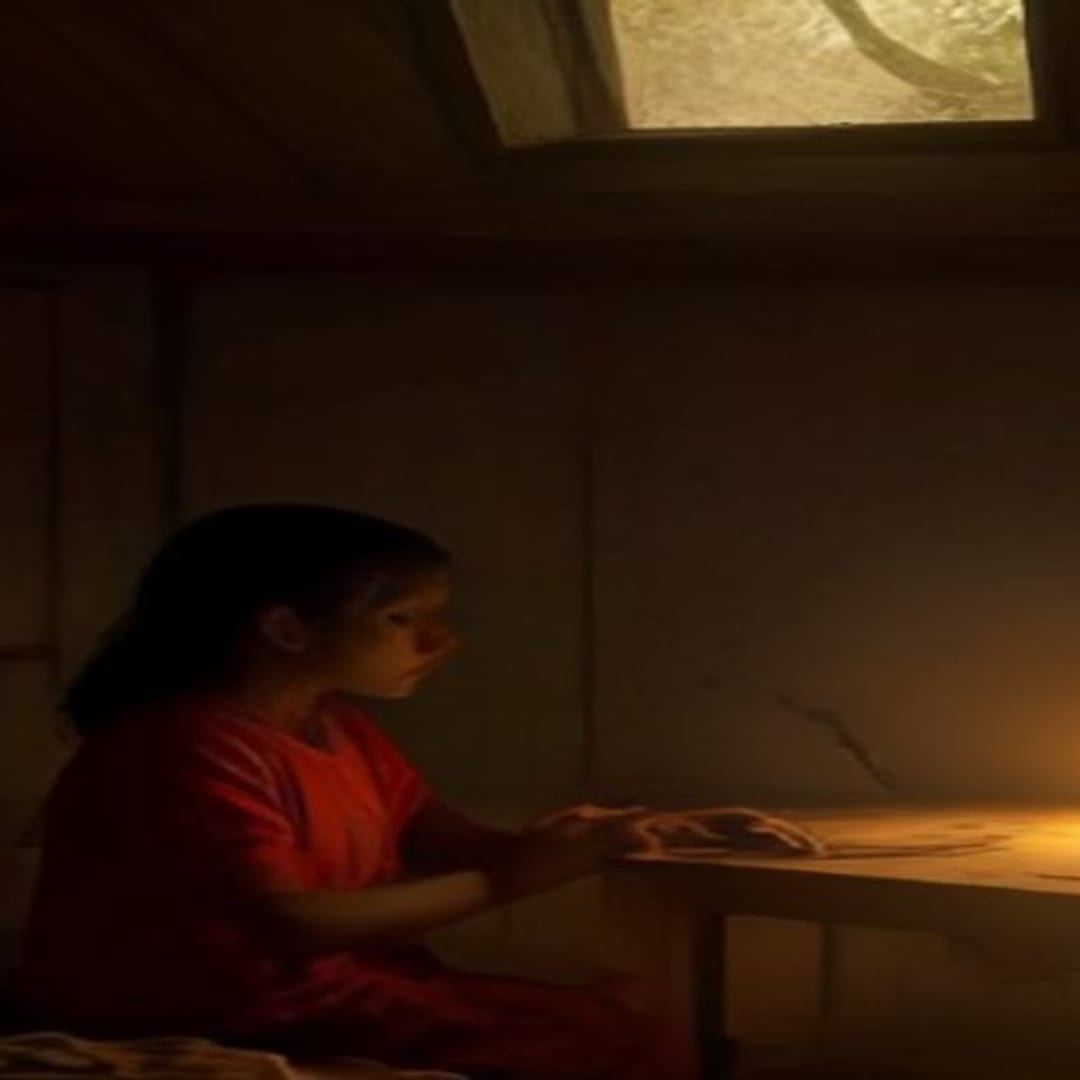
## A Flickering Light, A Brighter Future: Learning Under the Sun In the heart of Chhota Udepur, one of Gujarat's most historically underserved districts, the golden rays of the September sun are doing more than just warming the earth. They are illuminating classrooms, powering computers, and sparking a quiet revolution of knowledge and skill. In a remote hamlet like Bhorda, nestled deep within Kawant taluka, the evening air once carried only the chirping of crickets and the occasional splutter of a distant, shared diesel generator. Today, a different kind of hum permeates the twilight – the steady, clean energy from a solar microgrid that keeps the community learning center vibrant and bustling long after dusk.
Meet Rima Rathwa, a 16-year-old girl who, just two years ago, struggled to finish her homework by the dim, smoky light of a kerosene lamp. "Electricity was a luxury, not a right," she recounts, her eyes now bright under the glow of LED bulbs. "Studying past sunset was a challenge, and dreaming of computer skills felt like wishing for the moon. " Now, Rima spends her evenings at Bhorda's solar-powered center, learning basic computer operations, accessing online educational modules, and even practicing English with her peers.
Her story is not unique; it's a testament to a profound shift unfolding across hundreds of such villages in India, driven by the accelerating expansion of solar energy. India's journey towards clean energy has made significant strides, with the government aggressively promoting solar installations to combat both the climate crisis and energy poverty. While headlines often focus on large-scale solar farms or urban rooftop projects, the true transformative power of solar is perhaps best observed in these rural outposts. Here, decentralized solar microgrids are not just providing light; they are acting as catalysts for socio-economic development, particularly in education and vocational skill-building – aspects often overlooked in broader energy discussions.
## Bridging the Educational Divide: More Than Just Light For decades, remote districts like Chhota Udepur, with its significant tribal population, have grappled with inconsistent or non-existent grid connectivity. This energy deficit has had a cascading effect, severely limiting access to quality education and skill development. Schools often lacked reliable power for fans, computers, or even adequate lighting, making classrooms uncomfortable and learning opportunities scarce, especially during the sweltering heat of the pre-monsoon months or the short winter days. The advent of solar microgrids has dramatically altered this landscape.
These self-contained power systems, typically ranging from a few kilowatts to megawatt-scale, generate and distribute electricity locally, independent of the main grid. In Chhota Udepur, several non-governmental organizations, often in partnership with local government bodies and with technical support from entities like the Gujarat Energy Development Agency (GEDA), have spearheaded the installation of these microgrids specifically to power community learning centers and vocational training hubs. "The impact is multifaceted," explains Dr. Anand Shah, a senior project manager at a non-profit implementing solar solutions in rural Gujarat.
"Firstly, it extends learning hours. Children can now study in well-lit, fan-cooled environments. But crucially, it enables access to digital education. We can now run computer labs, provide internet access where available, and introduce e-learning modules that were simply impossible before.
" These centers are becoming hubs where children can access educational content, complete assignments, and engage in collaborative learning, significantly bridging the digital divide that separates them from their urban counterparts. ## Powering Skills, Fueling Aspirations The impact extends far beyond conventional schooling. These solar-powered centers are becoming crucibles for vocational skill development, offering programs tailored to local needs and emerging opportunities. Young adults, previously limited by a lack of infrastructure, are now enrolling in courses ranging from basic computer literacy and digital marketing to tailoring using electric sewing machines and repair of small electronics.
Take the example of Anil Tadvi from a village near Pavi Jetpur. After completing his secondary education, job prospects were bleak. "I had to travel to Vadodara for any training, which was expensive and often meant leaving my family," Anil shares. "But now, I'm learning mobile repair and basic electrical work right here in my village, at the solar-powered skill center.
" The center, equipped with modern tools and computers all running on clean energy, has given Anil a tangible pathway to self-employment. He plans to open a small repair shop, serving his village and neighboring communities, reducing their reliance on distant urban centers for simple fixes. For women, these centers are proving particularly empowering. Many tribal women in Chhota Udepur are skilled in traditional crafts, but market access and modern techniques were often out of reach due to lack of power.
Solar-powered tailoring units, for instance, allow them to produce garments faster, with higher quality, and in greater volumes, enabling them to connect with broader markets and earn a sustainable income. This economic independence is fostering greater participation in community decision-making and improving household welfare. ## The Ripple Effect: Beyond Individual Gains The "skill revolution" catalyzed by solar microgrids generates a powerful ripple effect. As more individuals acquire vocational training and digital literacy, the local economy diversifies.
New micro-enterprises emerge, reducing the need for distress migration to urban areas in search of work. This stability helps preserve community structures and local culture. Furthermore, the training extends to the maintenance and operation of the solar microgrids themselves. Local youth are often trained as "barefoot engineers" or technicians, responsible for the upkeep of the solar panels, batteries, and distribution networks.
This not only creates local employment but also ensures the sustainability and longevity of the energy infrastructure, fostering a sense of ownership and capability within the community. The success of these initiatives in Chhota Udepur also highlights the strategic role of decentralized renewable energy in India's broader climate resilience efforts. By reducing reliance on fossil fuels, these microgrids directly contribute to lowering carbon emissions. More importantly, they build local adaptive capacity.
When extreme weather events disrupt national grids, these independent, local systems can continue to provide essential power for communication, water purification, and emergency services, bolstering community resilience. ## Challenges and the Path Forward While the narrative is overwhelmingly positive, challenges remain. Ensuring the long-term sustainability of these microgrids requires robust business models, community participation in maintenance and fee collection, and continuous technological upgrades. Funding for initial installations, while often supported by government schemes like the Deen Dayal Upadhyaya Grameen Kaushalya Yojana (DDU-GKY) for skill development, or CSR initiatives, needs consistent channels.
Moreover, the content of skill development programs must evolve with market demands. Regular assessments and partnerships with industry are crucial to ensure that the skills taught remain relevant and lead to meaningful employment or entrepreneurship. Digital literacy, for instance, must be continually updated to keep pace with technological advancements. Despite these hurdles, the model emerging from places like Chhota Udepur offers a compelling blueprint for equitable and sustainable development.
It demonstrates that clean energy is not merely an environmental imperative but a powerful tool for social justice and economic empowerment. As India navigates the complexities of its climate crisis, the radiant classrooms and skill centers powered by the sun in its remotest corners offer not just light, but the very foundation for a future built on knowledge, opportunity, and self-reliance. The stories of Rima and Anil are just the beginning. They represent millions of aspirations, once dimmed by darkness, now brightly illuminated by the unwavering promise of the sun.
It's a testament to how decentralized solar power is not just electrifying homes, but electrifying dreams, one village, one student, one skill at a time.