Climate Change
Punjab's Aquifer Abyss: Climate's Thirsty Grip on India's Granary
Decades of over-extraction meet climate's wrath as Punjab's vital groundwater sinks, imperiling India's food basket.
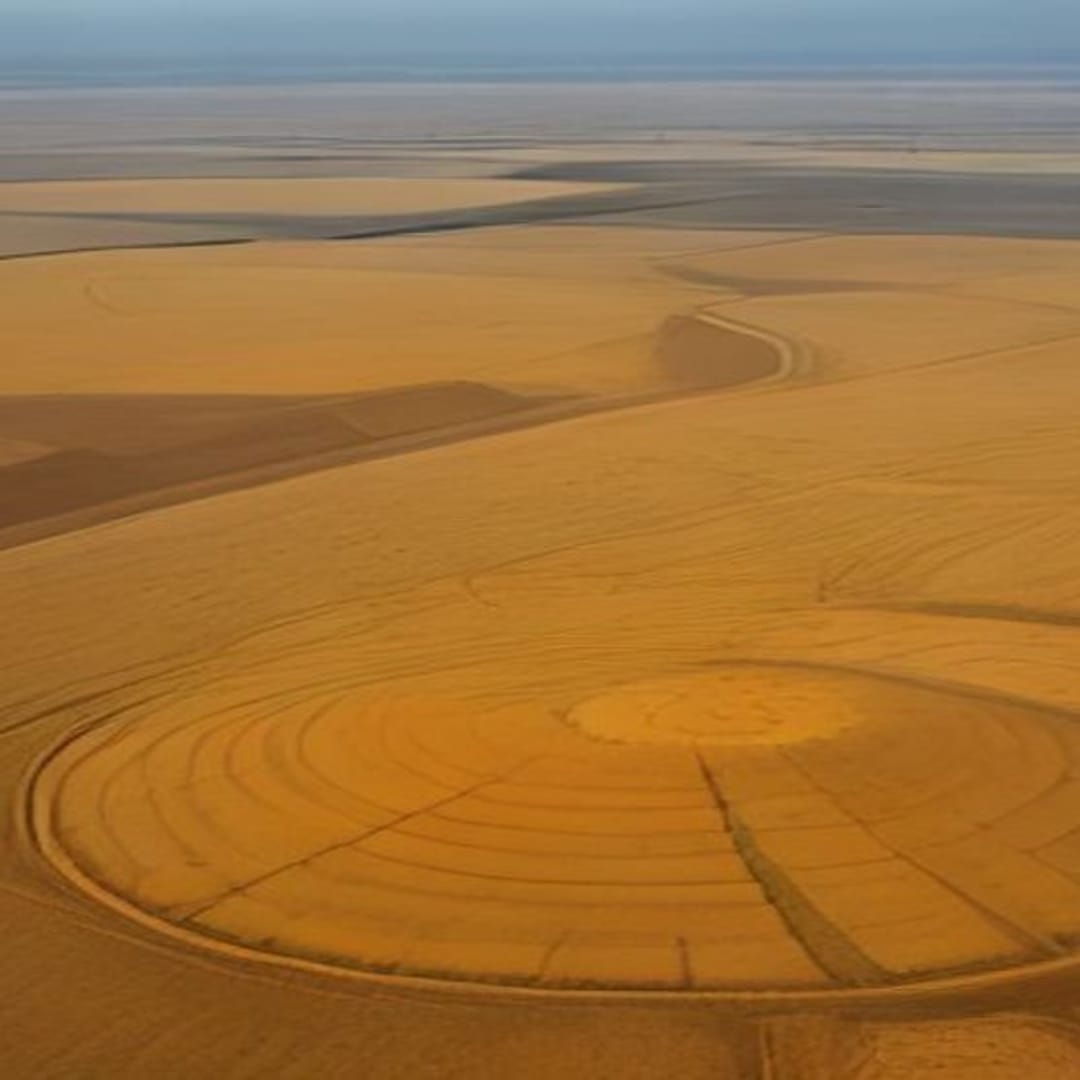
Sukhdev Singh, his face etched with the sun's harsh imprint, watches the sputtering diesel pump on his five-acre field in Mansa district. It’s early September 2026, and the monsoon, once a reliable partner, has been a capricious visitor this year – either too much rain in short, violent bursts or long, dry spells. "Every year, we dig deeper," he says, wiping sweat from his brow. "My father's borewell was 100 feet.
Mine is now 350. My son will need to go to 500 feet, if there's any water left at all. " Sukhdev's struggle is a microcosm of a much larger, insidious crisis unfolding across Punjab, India's breadbasket, where the very foundation of its agricultural prosperity – groundwater – is being systematically drained by a relentless combination of over-extraction and accelerating climate change. ## The Lifeline Under Threat: A Granary Built on Subterranean Rivers For decades, Punjab has been synonymous with agricultural abundance, playing a pivotal role in India's food security.
The Green Revolution, which transformed India from a food-deficit nation to a surplus producer, found its most fertile ground here. This agricultural marvel was largely powered by an extensive network of irrigation, heavily reliant on groundwater accessed through millions of borewells. Farmers, incentivized by assured markets for water-intensive crops like paddy (rice) and free electricity for irrigation, tapped into the subterranean aquifers with increasing intensity. While this brought prosperity, it also set the stage for an ecological reckoning.
Today, the Central Ground Water Board (CGWB) paints a stark picture: over 79% of Punjab's assessment units (blocks) are classified as 'over-exploited'. This means the rate of groundwater extraction far exceeds the rate of natural replenishment. In central Punjab, the heartland of paddy cultivation, water tables are declining at an alarming rate, often between 0. 5 to 1 meter per year.
Some areas, particularly in the Malwa region – a historically fertile belt – have seen drops of over 20-25 meters in just the last two decades. The once abundant aquifers are now shrinking, creating a gaping abyss beneath the state's verdant fields. ## Climate's Double-Edged Sword: Exacerbating the Decline While historical over-extraction laid the groundwork for this crisis, the escalating climate emergency is now accelerating Punjab's descent into a water-scarce future. Rising temperatures and erratic monsoon patterns are acting as a double-edged sword, simultaneously increasing demand for water while crippling the natural recharge mechanisms.
Firstly, **rising temperatures** mean hotter summers and extended periods of heat. This directly leads to higher rates of evapotranspiration – the process by which water evaporates from the soil and transpires from plants. Crops demand more water to cope with the heat, forcing farmers to irrigate more frequently and heavily. The paddy crop, typically transplanted in June and harvested in October, particularly suffers, demanding copious amounts of water during the peak heat of summer.
As average temperatures continue to climb in 2026, the demand for irrigation water intensifies, pushing already stressed aquifers further into deficit. Secondly, **erratic monsoon patterns** are proving equally devastating. The traditional monsoon, characterized by consistent, moderate rainfall over several months, allowed for gradual groundwater recharge. Now, the monsoons are becoming increasingly unpredictable.
We witness fewer rainy days, but when it does rain, the downpours are often intense and localized. Such extreme rainfall events lead to significant surface runoff rather than deep infiltration, meaning less water percolates down to replenish the aquifers. Long dry spells between these intense events further exacerbate the situation, leaving farmers with no option but to rely entirely on depleting groundwater reserves. This climate-induced variability creates a dangerous feedback loop.
As surface water sources become unreliable, the dependence on groundwater increases. Simultaneously, the very conditions caused by climate change – increased heat and unpredictable rain – reduce the ability of these aquifers to recover. ## Echoes Across the Fields: Socio-Economic Impacts The implications of Punjab's sinking groundwater are profound and far-reaching, extending beyond just environmental degradation to impact the very fabric of rural life and national food security. For farmers like Sukhdev Singh, the most immediate impact is **economic**.
Deeper borewells mean higher capital expenditure and significantly increased electricity consumption for pumping. Even with subsidized power, the rising operational costs eat into already thin profit margins, pushing many into a spiral of debt. Smaller farmers, unable to afford deeper borewells or powerful pumps, are often forced to abandon farming or lease out their land, fueling rural distress and migration. The crisis also directly threatens **food security**.
Punjab is a crucial producer of wheat and rice, staples for millions across India. If groundwater sources continue to deplete, the ability to cultivate these crops at current scales will diminish, potentially leading to supply shortages and price volatility across the country. This isn't just a regional problem; it's a national concern. Furthermore, **social equity** is at stake.
As water becomes scarcer, access often becomes a privilege of those with more resources. This could exacerbate existing inequalities within rural communities, creating new tensions over a dwindling resource. ## Beyond Paddy: The Quest for Resilience Recognizing the urgency, Punjab has initiated several efforts to mitigate the crisis, though the scale of the challenge demands much more aggressive and coordinated action. The shift away from the paddy-wheat cycle is paramount.
Initiatives promoting **crop diversification** towards less water-intensive alternatives like maize, cotton, pulses, and vegetables are gaining traction. However, farmers need robust market support, assured Minimum Support Prices (MSP), and efficient procurement systems for these alternative crops to make the transition viable. Technological interventions are also crucial. **Direct Seeding of Rice (DSR)**, which replaces the traditional water-intensive practice of transplanting paddy seedlings, can significantly reduce water consumption.
Promoting **precision irrigation techniques** like drip and sprinkler systems, especially for horticultural crops, can optimize water use. The state government has also explored pilots for groundwater recharge through abandoned borewells and rejuvenation of village ponds, though these efforts require massive scaling. Policy reforms, particularly regarding electricity subsidies for agriculture, are a sensitive but necessary conversation. While politically challenging, rationalizing these subsidies could encourage farmers to adopt water-saving practices.
Additionally, stricter enforcement of groundwater extraction regulations and incentives for farmers adopting sustainable practices are vital. ## A Shared Future: Securing India's Granary The story of Punjab's sinking aquifers is a stark reminder that the impacts of climate change are not abstract future threats, but present-day realities reshaping landscapes and livelihoods. The Green Revolution, while a triumph, inadvertently created an unsustainable dependence. Now, facing unprecedented heat and erratic monsoons, Punjab must embark on a 'Blue Revolution' – one focused on judicious water management, climate resilience, and agricultural diversification.
Securing Punjab's groundwater is not just about saving the state's agriculture; it is about safeguarding India's food security and the future of millions of its citizens. The time for incremental change has passed. A bold, systemic transformation, integrating climate adaptation with sustainable agricultural practices, is the only path forward to prevent India’s granary from becoming a barren thirstland.