Environmental Crime
Poisoned Lifelines: Unmasking the Eco-Criminals Attacking India's Rivers
A recent arrest in Kerala's Chaliyar River exposes a devastating tactic threatening freshwater ecosystems and community health.
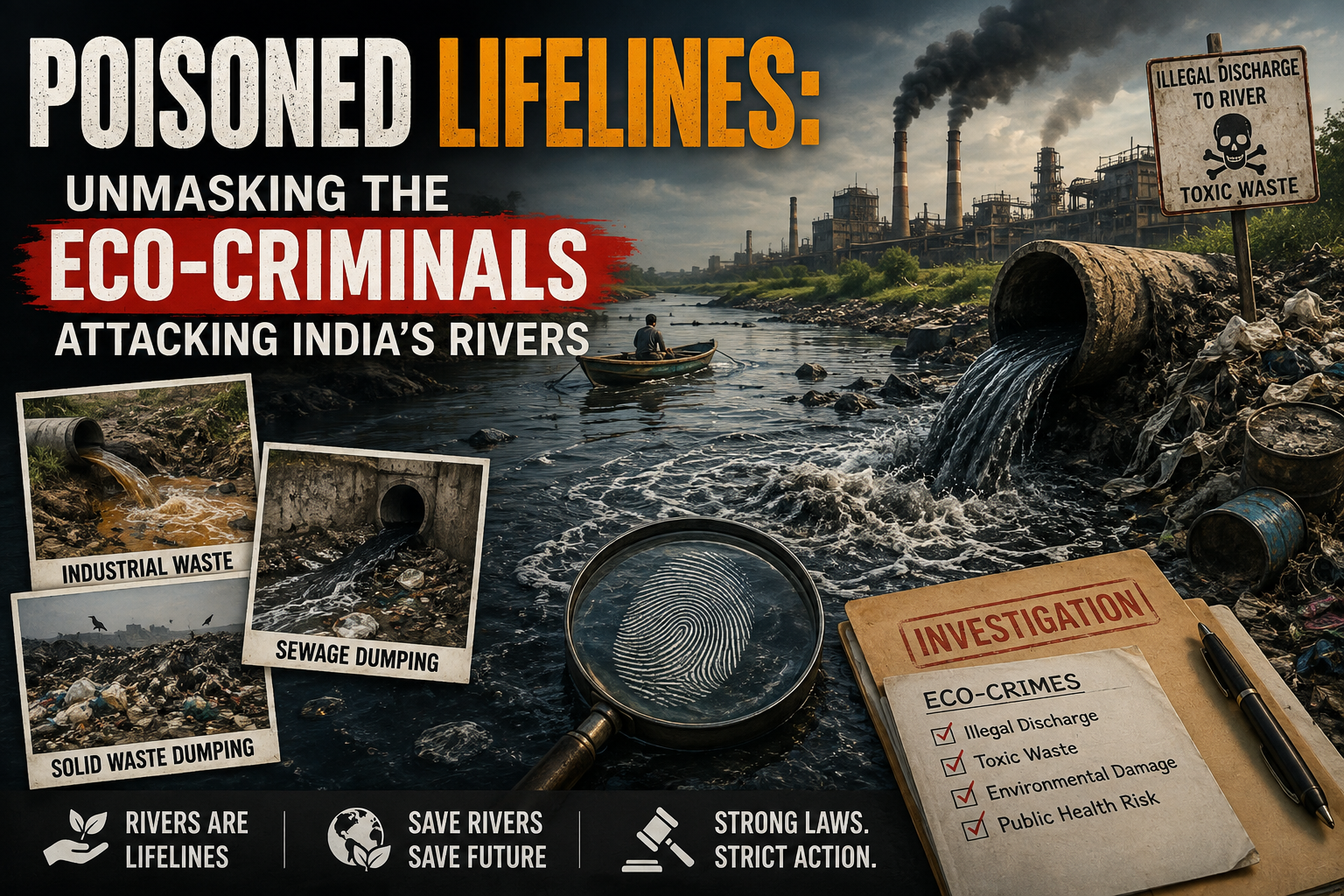
On August 5, 2026, the tranquility of Kerala’s Chaliyar River tributary near Kozhikode was shattered by a grim discovery, followed swiftly by decisive action. Four men – Murshid Muhammed, Anees, Hamsa, and Abdul Jaleel – were arrested by Feroke police, accused of a heinous environmental crime: poisoning a stretch of the river to facilitate an easy, albeit devastating, fish catch. The residents, acting as vigilant guardians of their local environment, reported the illegal practice, preventing potentially further destruction and bringing the perpetrators to justice. This isn't merely an act of illegal fishing; it's an ecological assault, a toxic betrayal of a vital freshwater artery.
The method employed – introducing poisonous substances into the water – results in the indiscriminate slaughter of thousands of fish, wiping out entire populations and leaving a trail of devastation that extends far beyond the immediate catch. ## The Anatomy of an Ecological Crime The Chaliyar incident, while specific in its location, echoes a darker undercurrent of environmental crimes that often go unreported or unpunished across India. The motivation is simple yet destructive: maximizing profit with minimal effort. Using toxic substances, often agricultural chemicals or locally concocted poisons, stuns or kills fish, allowing poachers to collect them effortlessly.
However, the true cost is immeasurable. Such methods are a clear violation of India's environmental protection laws, including the Wildlife Protection Act, 1972, which prohibits hunting, capturing, and poisoning wildlife, and the Water (Prevention and Control of Pollution) Act, 1974, which aims to prevent and control water pollution. The swift action by Feroke police, following residents' reports, underscores the critical role of community vigilance and robust law enforcement in safeguarding our natural resources. ## Chaliyar's Cry: Devastation Beyond the Harvest The Chaliyar River, one of Kerala's longest, is a lifeline for communities along its banks, supporting livelihoods, providing water for agriculture, and sustaining a rich aquatic biodiversity.
When a tributary is poisoned, the immediate impact is a mass fish kill. Thousands of fish, from the smallest fry to mature adults, perish, disrupting the intricate food web. Predators that rely on these fish for sustenance suffer, and the ecological balance of the entire segment of the river is thrown into disarray. But the damage doesn't stop there.
The toxic substances introduced into the water don't simply disappear. They permeate the riverbed, accumulate in the surviving aquatic life, and can travel downstream, potentially contaminating water sources used by humans and livestock. The long-term effects can include reduced biodiversity, altered ecosystem structure, and even potential health risks for those consuming fish from affected areas or utilizing the water without proper treatment. Imagine the horror of local fisherfolk, whose livelihoods depend on the health of the river, discovering their fishing grounds littered with dead, rotting fish.
This act not only robs them of their catch but also undermines the very sustainability of their profession for years to come. It’s an act of eco-terrorism against both nature and the communities that coexist with it. ## Community as the First Line of Defense The prompt reporting by local residents in Kozhikode was instrumental in the arrests. This highlights a crucial lesson: the community often serves as the most effective sentinel against environmental degradation.
Their intimate knowledge of local ecosystems and their vested interest in the health of their surroundings make them invaluable partners in environmental protection. Empowering communities, fostering environmental awareness, and establishing clear channels for reporting such crimes are vital steps in creating a robust defense system for our rivers. Across India, countless local groups and individuals are quietly, yet powerfully, taking on the role of environmental guardians. From village committees protecting sacred groves to citizen science initiatives monitoring water quality, their collective efforts form a critical bulwark against illicit activities.
The Chaliyar incident is a stark reminder of why their voices must be heard and their actions supported. ## Reinforcing Legal Frameworks and Enforcement The arrests by Feroke police send a clear message: environmental crimes will not be tolerated. However, arrests are just the first step. Ensuring swift prosecution and adequate penalties is crucial to deter future offenders.
The existing legal framework, while comprehensive, requires consistent and rigorous enforcement. Judges and legal professionals need to be well-versed in environmental law to ensure that justice is served, reflecting the gravity of these offenses. Furthermore, there's a need for enhanced inter-agency coordination. Environmental protection agencies, forest departments, fisheries departments, and local police must work in concert, sharing intelligence and resources to preemptively identify vulnerable areas and respond rapidly to incidents.
Investing in forensic capabilities to identify toxic substances used in such crimes can also strengthen prosecution efforts. ## Charting a Course Towards Cleaner Waters Protecting India's rivers from toxic assaults requires a multi-pronged approach: 1. **Strengthened Surveillance and Intelligence:** Regular patrolling, especially in remote river stretches, and developing intelligence networks to identify potential perpetrators and their methods are essential. 2.
**Public Awareness and Education:** Educating communities, especially youth, about the devastating impact of illegal fishing practices and the importance of sustainable fishing methods can foster a sense of responsibility and stewardship. 3. **Support for Sustainable Livelihoods:** Providing viable alternative livelihoods or promoting sustainable fishing practices can reduce the incentive for engaging in destructive methods. 4.
**Rapid Response Mechanisms:** Establishing dedicated rapid response teams equipped to investigate and contain pollution incidents quickly can mitigate environmental damage. 5. **Technological Integration:** Utilizing drones for surveillance, satellite imagery for tracking pollution, and advanced water quality monitoring systems can provide early warnings and evidence for prosecution. The Chaliyar River incident is more than a local news story; it's a stark warning for India.
Our rivers are not merely conduits of water; they are living ecosystems, cultural touchstones, and economic engines. Allowing them to be poisoned for short-term gains is an unforgivable act that undermines ecological integrity, public health, and sustainable development. As Environment Warriors, we must heed Chaliyar's urgent call, standing in solidarity with communities and law enforcement to ensure that such acts of eco-criminality are not just condemned, but decisively eradicated from our landlocked lifelines.