Climate Change
Plastic's Hidden Menace: Invasive Species Hitchhiking on Debris
Beyond visible pollution, plastic debris acts as a perilous raft, ferrying entire micro-communities and invasive species across oceans, threatening marine biodiversity globally.
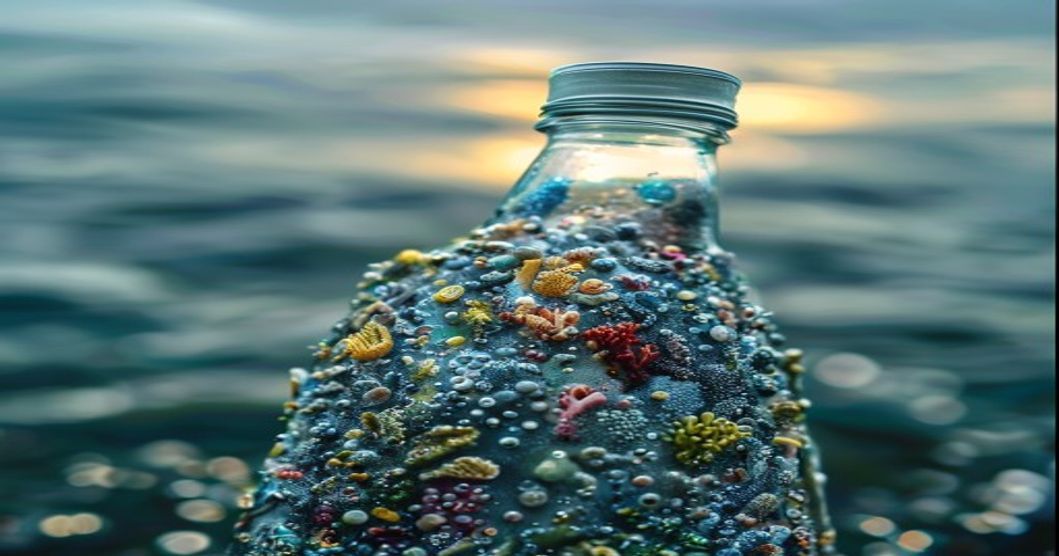
## The Ocean's Silent Invaders: Plastic's Perilous Voyage **14 July 2026** For years, we've grappled with the visible scourge of plastic pollution: the choking of marine life, the mountains of waste, the microplastics infiltrating our food chains. But what if plastic's most insidious threat lies not just in its physical presence, but in its ability to become a global express train for unwanted biological passengers? Recent research, marrying cutting-edge data with ocean current simulations, has pulled back the curtain on an alarming reality: our oceans are being crisscrossed by 'ghost rafts' of plastic, ferrying entire ecosystems of hitchhiking species, with profound implications for marine biodiversity and the spread of invasive organisms. ### Cast Away: The Bottle Cap's Revealing Journey A plastic bottle cap, retrieved near the southern Japanese coast, offered a chilling glimpse into this hidden world.
Researchers meticulously analyzed not just the cap itself, but the miniature world thriving upon it. Combining data from the label, chemical signatures within tiny shells, and sophisticated ocean current models, they traced its journey. What they found was staggering: 307 organisms, including a polychaete worm previously undocumented in Japanese waters, had colonized this single piece of debris. The findings, published in *Marine Pollution Bulletin*, underscore a critical point: when 'ecosystem engineers' – species that significantly shape their environments – colonize plastic, they don't just travel alone.
They facilitate the transport of entire micro-communities, potentially over vast distances and extended periods. This isn't merely about a few creatures catching a ride; it's about the potential for complete ecological disruption. Imagine a small, self-sustaining island, adrift, carrying a full complement of flora and fauna to a new, vulnerable shore. That's precisely what plastic debris, from bottle caps to derelict fishing gear, has become.
These plastic rafts offer stable, long-lasting substrates in an otherwise ephemeral open ocean, effectively bypassing natural biogeographical barriers that once limited species distribution. ### A Global Threat Multiplier: Why This Matters The implications of plastic-borne invasive species are monumental. Invasive species are a leading cause of biodiversity loss globally, second only to habitat destruction. When non-native species are introduced to new environments, they can outcompete native organisms for resources, prey on vulnerable populations, introduce new diseases, and fundamentally alter the delicate balance of existing ecosystems.
This can lead to cascading effects, from the collapse of fisheries to irreversible changes in marine habitats. For a nation like India, with its extensive coastline and rich, diverse marine ecosystems, this threat is particularly acute. Our waters, already facing pressures from pollution, overfishing, and climate change, are highly susceptible to the ecological havoc that invasive species can wreak. The problem is exacerbated by the sheer volume and persistence of plastic.
Unlike natural debris like logs or pumice, which degrade relatively quickly, plastic can endure for centuries, providing a persistent platform for colonization and dispersal. This longevity means that species can travel further and for longer, increasing their chances of successfully establishing themselves in new territories. Moreover, this phenomenon intertwines with climate change. As ocean temperatures rise, marine species are already shifting their ranges.
Plastic debris offers an additional, unnatural pathway for these shifts, potentially accelerating the spread of species into regions where they were previously absent, further complicating conservation efforts and creating novel ecological interactions. ### India's Vulnerability and Efforts: A Race Against Time India's long coastline, bustling ports, and diverse marine life make it particularly vulnerable to the threats posed by plastic-borne invasive species. The Arabian Sea and the Bay of Bengal are rich in biodiversity, supporting millions through fisheries and tourism. The introduction of a single aggressive invasive species could devastate these delicate ecosystems and the livelihoods dependent on them.
Recognizing the urgency, efforts are underway across India to tackle plastic pollution. In Thiruvananthapuram, Kerala, Allianz Services and Technology India's CSR initiative recently celebrated a significant milestone: recovering over 1,000 tonnes of plastic waste from the city's rivers. This monumental effort prevents countless plastic items from ever reaching the ocean, thereby reducing the potential for new 'ghost rafts' to form. Projects like these, leveraging corporate social responsibility and community engagement, are vital in stemming the tide of plastic at its source.
They demonstrate that concerted local action can have a tangible impact on global problems, protecting our waterways and, by extension, our oceans. ### Innovative Solutions and the Road Ahead The fight against plastic pollution, and its unforeseen ecological consequences, demands a multi-pronged approach encompassing detection, recycling, awareness, and, critically, prevention. * **Smart Detection:** Technology offers new hope. The Bionic Underwater Robot Turtle (BURT), designed by student Evan Budz, represents a promising ally.
Equipped with a Raspberry Pi and AI software, BURT can detect plastic waste and signs of ecological distress. Imagine fleets of BURTs patrolling our coastlines, identifying and mapping pollution hotspots, and even potential invasive species, providing crucial data for intervention. * **Circular Economy:** Finding innovative uses for collected plastic waste is equally important. In Hawaii, researchers are pioneering a groundbreaking solution: turning ocean plastic and old fishing nets into asphalt roads.
Early tests indicate these recycled plastic roads don't release more microplastic particles than standard pavement, offering a dual benefit of tackling marine pollution and reducing landfill burden. If proven durable, this technology could revolutionize waste management, transforming a pollutant into a valuable resource. * **Raising Awareness:** Art and culture also play a crucial role in shifting public perception and inspiring action. The 'Aqua Paradiso' exhibition at KCCI, New Delhi, showcases Korean artists like Eunhae Jung, who transform ocean microplastics into powerful symbols.
By reimagining water amid the climate and plastic crisis, such initiatives highlight plastic pollution's ecological value and urgency, fostering a deeper connection to environmental issues among the public. ### The Imperative of Prevention While detection, recycling, and awareness are crucial, the ultimate solution lies in prevention. Reducing plastic production, innovating sustainable alternatives, and drastically improving waste management infrastructure – particularly in developing nations like India – are paramount. We must transition towards a circular economy where plastic is valued as a resource, not a disposable convenience.
This means investing in robust recycling systems, promoting reusable products, and holding producers accountable for the lifecycle of their products. The journey of a single plastic bottle cap has unveiled a profound and disturbing truth: plastic pollution is not just an aesthetic blight or a direct threat to individual animals. It is a fundamental disruptor of marine ecosystems, a silent facilitator of ecological invasions that can forever alter the delicate balance of our oceans. As Environment Warriors, understanding this complex threat is the first step towards building a more resilient, biodiverse future.
The time to act, with renewed urgency and comprehensive strategies, is now – before these ghost rafts carry our marine biodiversity to an irreversible fate.