Climate Change
Nagpur's Construction Crisis: Heat's Toll on Workers & Infrastructure
Central India bakes: Relentless heat degrades Nagpur's building sites, threatening migrant workers and urban infrastructure.
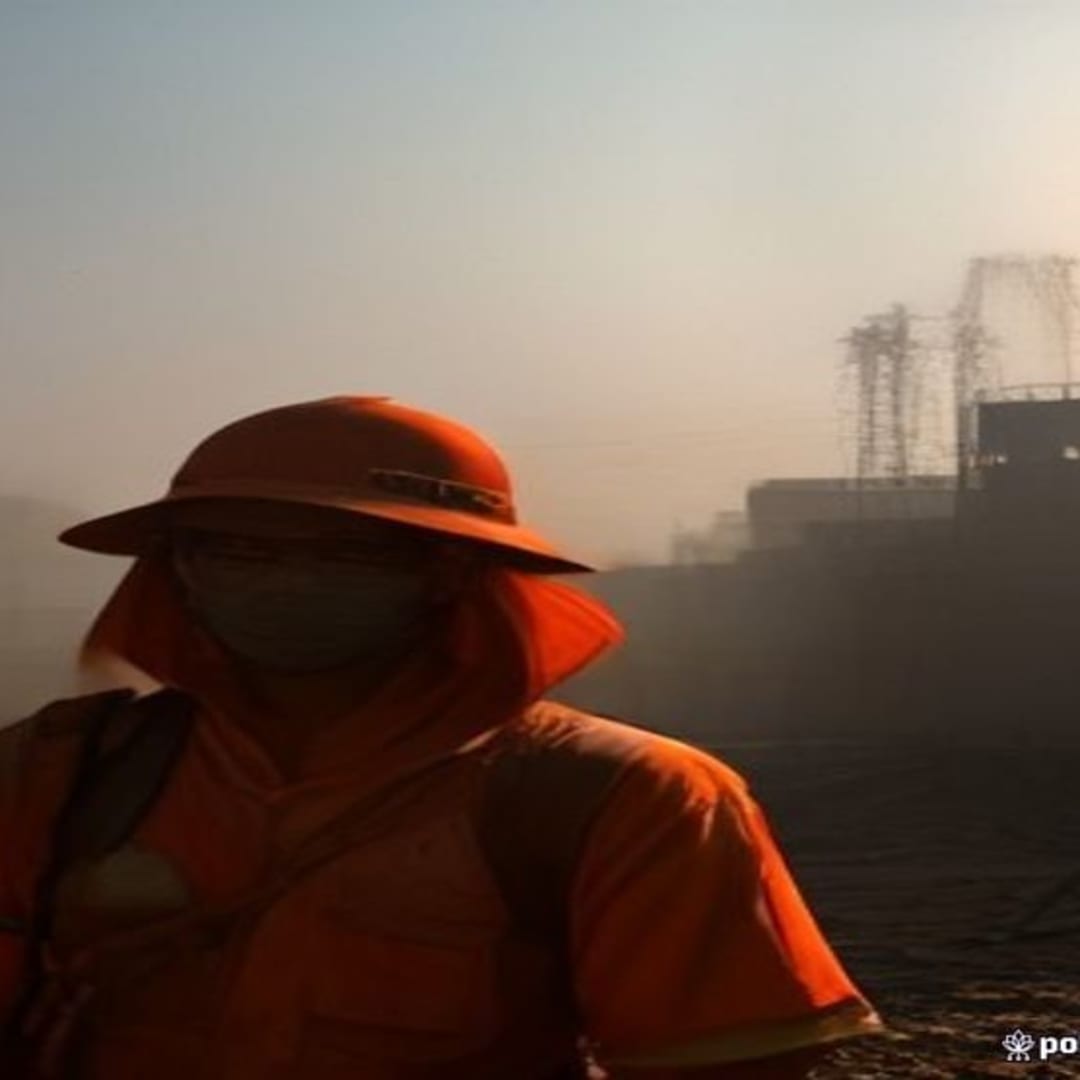
The scorching sun beat down on Rajesh's back, each drop of sweat a testament to the relentless heat gripping Nagpur. It was late morning, yet the air already shimmered above the half-finished concrete pillars of the Metro's new extension towards MIHAN. Rajesh, a migrant worker from Uttar Pradesh, tightened his turban against the glare, his eyes scanning for the water tanker that was always late. "The steel bars burn to touch," he muttered to a colleague, wiping his brow with a grimy cloth.
"And the concrete dries too fast, cracking even before it's set. " His body ached, not just from the heavy lifting, but from the constant battle against dehydration and the oppressive, inescapable heat. Rajesh’s experience is not an isolated incident but a daily reality for millions of construction workers across India, particularly in its rapidly expanding tier-2 cities like Nagpur. The "Orange City," once known for its pleasant winters and vibrant trade, is increasingly becoming an oven.
Data from the India Meteorological Department (IMD) shows central India, including the Vidarbha region where Nagpur lies, experiencing a significant increase in both the frequency and intensity of heatwaves. In 2026, the region has already seen several record-breaking temperature days, with mercury often soaring above 45°C for extended periods. This isn't just about discomfort; it's a profound threat to human health, economic productivity, and the very integrity of India's ambitious infrastructure development. ## The Human Cost: Laboring Under a Scorching Sky The construction sector is a backbone of India’s economic growth, employing a vast, largely informal, and migrant workforce.
These workers, often lacking social security nets or formal contracts, are on the front lines of the climate crisis. Their workspaces – open-air sites with minimal shade – expose them directly to the sun's fury. The physiological toll is immense: chronic dehydration, kidney strain leading to conditions like chronic kidney disease (CKD), heat exhaustion, and potentially fatal heatstroke. Studies have linked prolonged exposure to high temperatures to an increased incidence of kidney ailments among outdoor laborers in regions like Odisha and Andhra Pradesh, a grim foreshadowing for central India.
Site safety protocols, where they exist, often fall short of addressing extreme heat. Mandatory breaks, access to cool drinking water, and shaded rest areas are often discretionary rather than enforced. Work schedules rarely adapt to peak heat hours, pushing laborers to continue gruelling tasks during the hottest parts of the day to meet stringent deadlines. This not only endangers lives but also severely impacts productivity.
A worker struggling with heat fatigue is less efficient, more prone to accidents, and ultimately contributes to project delays and cost overruns. ## The Structural Cost: When Concrete Cracks Under Pressure Beyond the human element, extreme heat poses a grave, often overlooked, threat to the physical infrastructure itself. India is in the midst of an unprecedented building boom – new highways, metro lines, high-rise residential complexes, and industrial parks like MIHAN are reshaping its urban landscape. But what happens when the very materials used to construct these vital assets are compromised by climate change?
**Concrete**, the most widely used material, is particularly vulnerable. Proper curing requires controlled hydration, but intense heat causes rapid evaporation of water, leading to incomplete hydration and a reduction in compressive strength. This can result in micro-cracks forming early in the concrete's life, significantly reducing its durability and making it more susceptible to weathering, chemical attack, and ultimately, premature failure. The steel rebar embedded within concrete also expands and contracts with extreme temperature fluctuations, causing internal stresses that can accelerate corrosion and further compromise structural integrity.
Imagine a flyover or a metro pillar designed for a 30-year lifespan degrading in just 15, demanding costly repairs and posing safety risks. **Asphalt roads** literally melt under sustained high temperatures. The viscous binder in asphalt softens, leading to rutting, shoving, and bleeding – visible deformations that necessitate frequent repairs, increase maintenance budgets, and reduce road lifespan. This impacts transport logistics, increases fuel consumption, and adds to the public exchequer's burden.
Even **structural steel**, while robust, is not immune. Constant thermal expansion and contraction cycles can lead to material fatigue over time, weakening critical joints and connections in bridges and tall buildings. The unseen cracks and structural weaknesses born from relentless heat are a deferred liability, a ticking engineering challenge that could compromise India's urban future. ## A Policy Vacuum and a Call for Resilience The current regulatory framework in India has not adequately caught up with the realities of a warming planet.
The Building and Other Construction Workers (Regulation of Employment and Conditions of Service) Act, 1996, provides broad guidelines for worker welfare but lacks specific, actionable mandates for heat stress management on construction sites. While general safety norms exist, their enforcement regarding heat is often lax or non-existent. Similarly, the National Building Code of India (NBC), while comprehensive on structural design, fire safety, and energy efficiency, offers limited explicit guidance on material selection and construction techniques specifically adapted for extreme, escalating heat conditions. There is a critical need to integrate climate resilience directly into building codes, mandating materials and designs that can withstand future heat projections, not just historical averages.
Urban planning, too, needs a paradigm shift. Nagpur, like many Indian cities, often prioritises rapid expansion over green infrastructure. The urban heat island effect, where concrete and asphalt absorb and re-emit heat, exacerbates the problem. While initiatives like Nagpur Metro's "Maitri Bagh" green corridor are commendable, they are isolated efforts in the face of widespread concrete jungles.
## Forging a Heat-Resilient Future: The Path Ahead Addressing Nagpur's construction crisis requires a multi-pronged approach, integrating worker protection, material innovation, and robust policy intervention: 1. **Worker-Centric Protections:** The government, through the Ministry of Labour & Employment and state labor departments, must mandate "Heat Holiday" policies during peak heatwaves, similar to practices in some Gulf nations. Essential measures include mandatory hydration stations, shaded rest areas, modified work schedules (early morning/late evening shifts), and regular health monitoring for heat stress symptoms. Training programs for workers and supervisors on heat-related illness prevention and first aid are crucial.
2. **Material Innovation and Climate-Proofing:** Investment in research and development for heat-resistant building materials is vital. This includes high-performance concrete admixtures that reduce water evaporation, cool pavements using reflective materials, and green roofs/facades that reduce heat absorption. Encouraging architects and engineers to incorporate passive cooling techniques and climate-responsive designs, rather than relying solely on energy-intensive air conditioning, should be a priority.
3. **Policy and Enforcement:** The National Disaster Management Authority (NDMA) should issue specific guidelines for construction sites during heatwaves, which state authorities can then enforce. The National Building Code of India needs urgent amendments to include explicit climate resilience criteria for material performance under extreme temperatures. Incentives for adopting green building practices and penalties for non-compliance could drive change.
4. **Urban Green Infrastructure:** Integrating more trees, green spaces, and water bodies into urban planning is not just aesthetic but a critical cooling strategy. Developing green corridors, promoting cool roofs, and encouraging permeable surfaces can significantly mitigate the urban heat island effect. Nagpur's ambitious growth trajectory cannot afford to ignore the escalating climate reality.
The unseen cracks forming in its concrete and the silent toll on its workforce are not just engineering failures; they are a fundamental challenge to the city's aspirations for a sustainable, prosperous future. Protecting both human life and the built environment from the relentless heat is not merely an environmental concern; it is an economic imperative and a moral responsibility for a nation building its destiny under a warming sky.