Climate Change
Mumbai's Informal Settlements: Battling Climate's Flash Floods
As climate change intensifies Mumbai's monsoons, flash floods disproportionately impact informal settlements, revealing deep urban inequalities and a looming public health crisis.
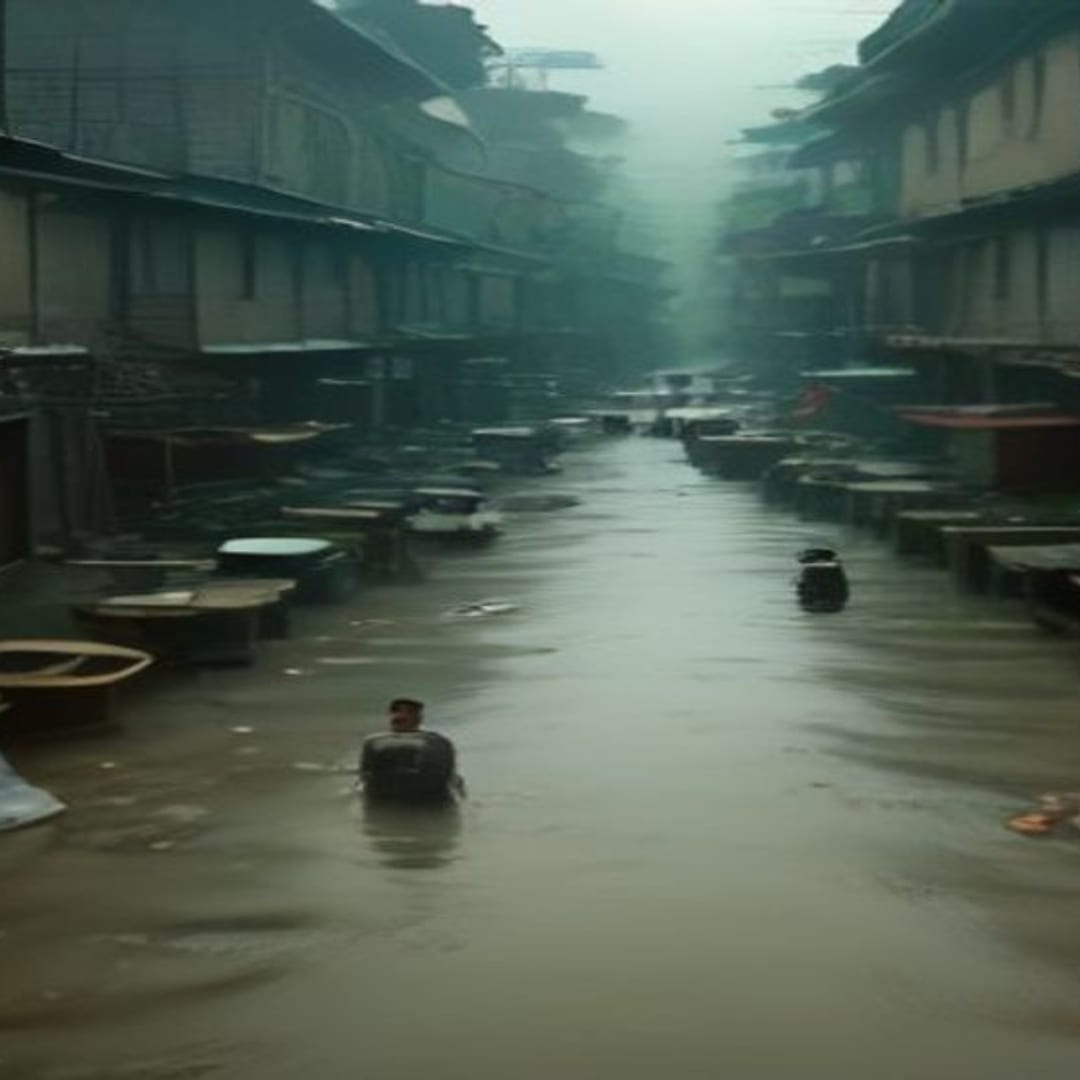
The skies above Mumbai had been a slate grey for days, but the evening of July 18, 2026, brought a ferocity that even veteran residents of Dharavi hadn't anticipated. For Maya Devi, a homemaker and mother of two, the downpour wasn't just rain; it was an invasion. Within an hour, her small, single-room home, meticulously kept, was awash in a murky torrent. "It started seeping under the door, then through cracks in the wall.
Soon, it was ankle-deep, carrying sewage and garbage from the choked drains," she recounts, her voice still laced with exhaustion weeks later. Her children's school books, the family's meager stock of grains, and even their sleeping mats were ruined. The electricity supply had been cut, plunging them into a suffocating darkness punctuated by the relentless drumming of rain and the anxious murmurs of neighbors. For Maya and millions like her in Mumbai's informal settlements, the monsoon, once a harbinger of relief from the scorching heat, has transformed into a terrifying annual ordeal, a stark indicator of climate injustice.
India, in 2026, is grappling with a climate crisis of unprecedented scale. While rising temperatures and prolonged heatwaves dominate headlines, the insidious transformation of the monsoon — India's lifeblood — often receives less focused attention. The news context points to "erratic monsoons" and "extreme weather events" impacting public health and agriculture. In megacities like Mumbai, this erraticism manifests as fewer overall rainy days, but when it does rain, the intensity is extreme, leading to devastating flash floods.
A recent analysis by the Indian Meteorological Department (IMD) for 2024-2025 indicated a 15% increase in the frequency of 'extreme precipitation events' (over 65mm in 24 hours) over coastal Maharashtra compared to the previous decade. These aren't just heavy rains; they are concentrated deluges that overwhelm urban infrastructure in hours, not days. ## Climate's Unequal Burden: Informal Settlements on the Frontline The impact of these intensified downpours is acutely felt in Mumbai's vast informal settlements, home to over half of the city's population. These communities, often built precariously on low-lying land, alongside railway tracks, or over reclaimed marshlands, are environmental hotspots of vulnerability.
Their very structure – dense housing, narrow lanes, and often illegal construction – precludes effective urban planning and infrastructure development. The drainage systems, if they exist at all, are rudimentary, often open, and perpetually choked with plastic waste and other debris. When an intense cloudburst hits, the water has nowhere to go but into homes and public spaces, turning streets into raging rivers and residential areas into temporary swamps. This isn't just about inconvenience; it's a systemic failure to protect the most vulnerable.
While wealthier neighborhoods might face traffic snarls, residents of informal settlements face existential threats. Their homes, typically constructed from fragile materials like corrugated metal sheets, tarpaulin, and unbaked bricks, offer little resistance to rising water levels. Belongings are destroyed, small businesses – the lifeline of these communities – are submerged, and daily wage earners lose precious days of income. The economic ripple effect is immediate and profound, pushing families further into poverty and debt.
## The Looming Public Health Crisis The most alarming consequence of these climate-driven flash floods in informal settlements is the escalating public health crisis. As floodwaters mix with raw sewage, overflowing drains, and accumulated garbage, they become potent carriers of disease. The immediate aftermath of an intense monsoon downpour often sees a surge in water-borne diseases like cholera, typhoid, and dysentery. Leptospirosis, a severe bacterial infection spread through contaminated water and animal urine, becomes a particularly grave concern, especially for those who must wade through the floodwaters.
Moreover, the stagnant pools of water that remain after the floods recede become ideal breeding grounds for disease vectors. Mosquito-borne illnesses such as malaria and dengue typically spike in the weeks following such events. Skin infections, respiratory ailments from damp living conditions, and increased risk of snake and rodent bites further compound the health burden. The already overburdened public health infrastructure in these areas struggles to cope with the sudden influx of patients.
The Brihanmumbai Municipal Corporation (BMC) mobilizes health camps and awareness campaigns, but prevention is a constant uphill battle against environmental conditions exacerbated by climate change and entrenched inequalities. For Maya Devi, her biggest fear isn't just the damage to her home, but the lingering threat of illness, especially for her young children who play in these same waterlogged lanes. ## Beyond Desilting: Towards Equitable Climate Resilience Existing strategies, while necessary, often fall short of addressing the core issues. The BMC's annual pre-monsoon desilting drives, for instance, are crucial for clearing drains.
However, they are often overwhelmed by the sheer volume of solid waste, the informal nature of many settlements, and the increasing intensity of rainfall. What is critically missing is a holistic, equitable approach to urban planning that integrates climate resilience specifically for informal settlements. True resilience must go beyond reactive measures. It requires proactive investment in robust, climate-adaptive infrastructure.
This includes not just larger, well-maintained drainage systems, but also decentralized waste management solutions that involve communities directly. Furthermore, nature-based solutions like permeable surfaces, urban wetlands, and green spaces can help absorb excess water, reducing runoff and improving groundwater recharge, though these are challenging to implement in densely packed informal areas without significant redesign and political will. Crucially, any solution must prioritize the dignity and participation of the residents themselves. Organizations like SPARC (Society for Promotion of Area Resource Centres) and its women's collectives, Mahila Milan, have long demonstrated the power of community-led initiatives in slum upgrading and infrastructure development.
Empowering residents with knowledge, resources, and a voice in planning ensures that solutions are culturally appropriate, sustainable, and truly meet their needs. This includes developing localized early warning systems that are accessible and actionable for communities cut off from mainstream information. Another critical aspect is the provision of secure land tenure and dignified housing options. When residents have a sense of ownership and security, they are more likely to invest in improving their homes and surroundings, fostering greater resilience.
The National Disaster Management Authority (NDMA) frameworks often emphasize community-level preparedness, but these need to be robustly funded and integrated into urban development plans that specifically address the unique vulnerabilities of informal settlements rather than treating them as an afterthought. ## A Call for Climate Justice and Inclusive Urban Futures The intensified monsoons and subsequent flash floods in Mumbai's informal settlements are a stark microcosm of India's broader climate crisis. They expose the deep fissures of inequality embedded within our urban fabric, where the poor bear the brunt of environmental degradation caused largely by the consumption patterns of others. As India marches towards ambitious climate goals and urbanization targets, it cannot afford to leave millions behind, drowning in the consequences of a changing climate.
Addressing this climate injustice requires a paradigm shift: from viewing informal settlements as problems to be cleared, to recognizing them as integral parts of the city that require urgent, equitable, and climate-resilient development. It demands political will, innovative financing, and genuine collaboration between government bodies, civil society, and the communities themselves. Only by ensuring that Maya Devi and her neighbors can face the monsoon without fear of losing their homes, their health, and their livelihoods, can India truly claim to be building a resilient and just future for all its citizens. The rising waters in Mumbai's informal settlements serve as a powerful reminder that climate action must be inherently inclusive, or it risks deepening the very inequalities it purports to solve.