Climate Change
Marathwada's Rainfall Riddle: Farmers Confront Climate's New Volatility
As monsoons grow increasingly erratic, farmers in Maharashtra's Marathwada region face a perilous tightrope walk between deluge and drought, imperiling their livelihoods and India's food security.
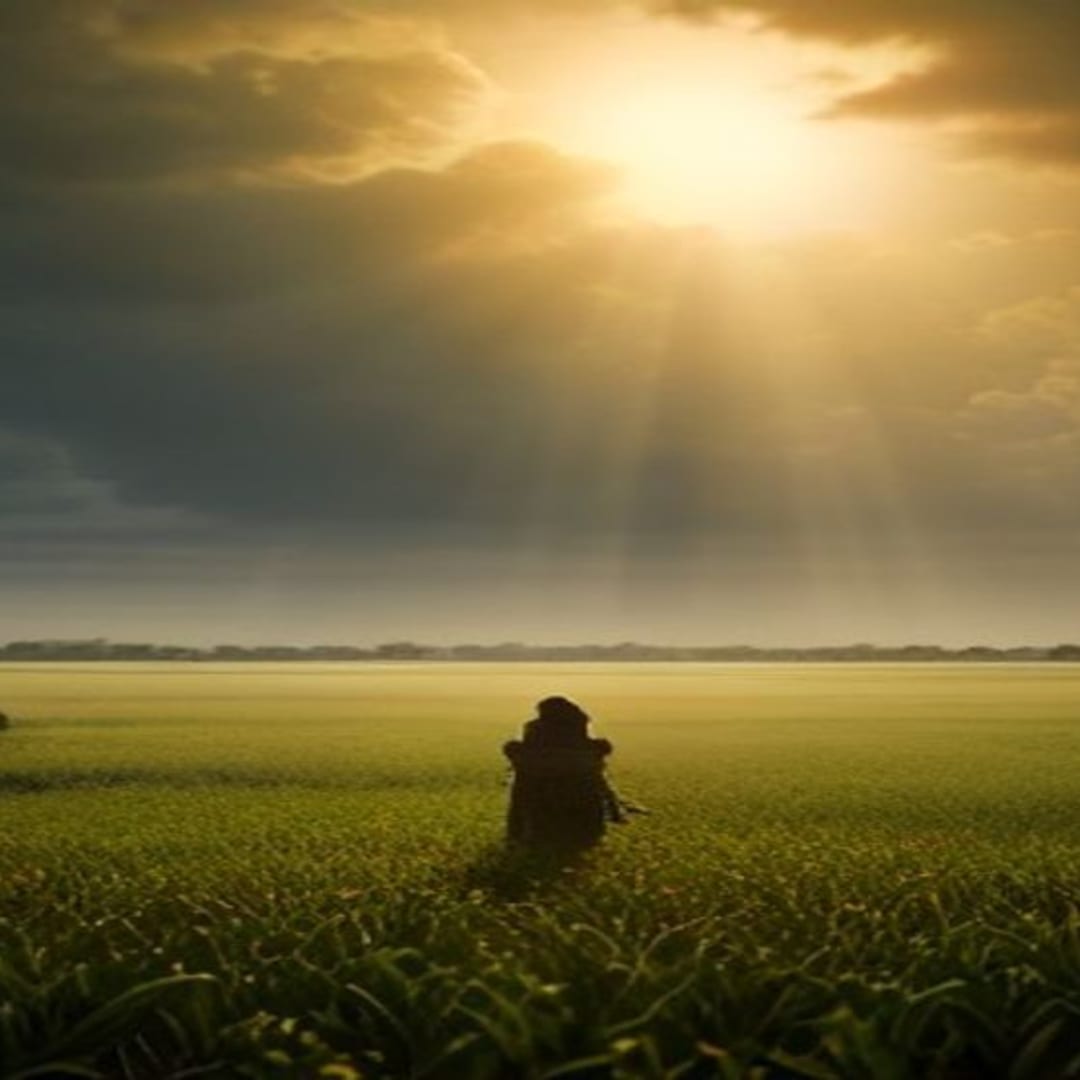
## Marathwada's Rainfall Riddle: Farmers Confront Climate's New Volatility In the sun-baked fields of Marathwada, the monsoon isn't just a season; it's a lifeline, a gamble, and increasingly, a riddle wrapped in uncertainty. For generations, farmers here, like millions across India, have read the skies, prayed for timely rains, and planned their lives around the rhythm of the southwest monsoon. But today, that rhythm is broken, replaced by a chaotic beat that threatens to shatter the fragile existence of millions. "We used to know what to expect," sighs Kisanrao Patil, a 55-year-old cotton farmer from Latur district, his face etched with worry lines deeper than the cracks in his parched field.
"Now, one year it’s not enough rain to even sow. The next, it pours for a week straight, washing away everything. We are caught between a rock and a hard place, and the rock seems to be moving. " Kisanrao's despair is a microcosm of a larger crisis unfolding across Maharashtra's eight districts that comprise Marathwada – a region historically known for its agrarian distress but now facing a new, more insidious challenge: climate volatility.
Today, 23 August 2026, India stands at a critical juncture. While the nation celebrates its strides in renewable energy, a darker reality looms large: unprecedented climate challenges are manifesting as record temperatures, increasing extreme weather events, and critically, erratic monsoons. In Marathwada, this isn't just a statistic; it's a daily struggle for survival, turning the region into a crucial battleground for climate adaptation. ### The Shifting Sands of Monsoon The traditional monsoon pattern – a gradual onset, sustained rainfall, and a clear withdrawal – has become a relic of the past in many parts of India, particularly in Marathwada.
Recent meteorological data confirms a worrying trend: not only are average rainfall patterns shifting, but the *variability* within seasons has skyrocketed. Farmers report delayed monsoons, leading to missed sowing windows. When the rains do arrive, they often come in short, intense bursts, causing flash floods and soil erosion, rather than the gentle, soaking drizzles needed for healthy crop growth. This is frequently followed by prolonged dry spells, baking the recently watered earth and withering young plants.
"Last July, we had almost a month of no rain after a hopeful start," recounts Sunita Jadhav, who cultivates soybeans in Beed district. "My entire first sowing was lost. When the rains finally came in August, they were so heavy they waterlogged the fields, damaging the second attempt. How do we plan?
How do we survive? " This 'feast or famine' rainfall pattern is far more destructive than a simple drought or flood; it strips farmers of predictability, making agricultural planning a near-impossible task. ### The Economic Whirlwind: Debt, Displacement, and Despair The direct impact of erratic monsoons on agriculture is catastrophic. Marathwada is a major producer of cotton, soybeans, pulses, and sugarcane.
These crops are highly sensitive to soil moisture and temperature fluctuations. A delayed monsoon means delayed sowing, which can reduce the growing season and lead to lower yields. Intense rainfall can destroy standing crops, wash away valuable topsoil, and damage irrigation infrastructure. Subsequent dry spells can lead to wilting and premature harvesting, further diminishing output.
Crop failures translate directly into financial ruin. Small and marginal farmers, who often rely on informal credit or loans from moneylenders, are pushed deeper into debt. The **Pradhan Mantri Fasal Bima Yojana (PMFBY)**, India's flagship crop insurance scheme, aims to provide financial support against crop losses. However, its implementation in regions like Marathwada has faced challenges.
Farmers often complain about delays in claim settlement, complex procedural hurdles, and inadequate assessment of damage, especially for localized, highly variable weather events that are becoming more common. Many farmers find the coverage insufficient to truly recover from repeated losses. Without stable income, families face impossible choices. Children are pulled out of schools to work, migration to urban centres in search of daily wage labour accelerates, and the social fabric of rural communities frays.
The psychological toll is immense, contributing to heightened stress and, tragically, farmer suicides, a persistent issue in Maharashtra that climate volatility only exacerbates. ### A Crisis of Water Management and Infrastructure Marathwada's historical vulnerability to drought has led to significant investments in water management. Schemes like the state's **Jalyukt Shivar Abhiyan**, launched to make villages drought-free by enhancing water conservation measures, have created farm ponds, check dams, and rejuvenated traditional water bodies. While these initiatives have improved water availability in some areas, they often struggle against the sheer scale and intensity of current climate extremes.
Farm ponds designed to capture monsoon runoff can overflow during flash floods or remain empty during extended dry spells. Moreover, the erratic nature of rainfall complicates groundwater recharge. Intense, short-duration downpours often lead to surface runoff rather than deep percolation, meaning aquifers are not replenished effectively. This puts additional pressure on borewells, leading to falling water tables and increased energy consumption for pumping, adding another layer of cost for farmers.
### Beyond the Fields: Nutritional Security and Public Health The crisis extends beyond farmers' ledgers. Erratic monsoons jeopardize regional food security and nutritional diversity. When staple crops fail, food prices can soar, disproportionately affecting vulnerable households. The shift to more resilient, often less nutritious, crops or a reduction in crop diversity can have long-term public health implications, particularly for children and pregnant women.
Furthermore, the changing hydrological cycle creates new health challenges. Stagnant water from flash floods can become breeding grounds for disease vectors, while prolonged water scarcity can impact hygiene and sanitation, increasing the risk of water-borne diseases. The intersection of climate extremes with existing public health vulnerabilities creates a complex web of threats that demand integrated solutions. ### Forging Resilience: A Path Forward Addressing Marathwada's monsoon riddle requires a multi-pronged, urgent strategy focused on both mitigation and adaptation.
Localized, climate-resilient agricultural practices are paramount. This includes promoting drought-tolerant and flood-resilient crop varieties, implementing precision agriculture techniques that optimize water use, and encouraging crop diversification to reduce reliance on single crops vulnerable to specific weather patterns. Investment in robust, real-time weather forecasting and early warning systems is critical. Farmers need accurate, localized information delivered in accessible formats to make timely decisions about sowing, harvesting, and crop protection.
Organizations like the **Indian Meteorological Department (IMD)** are enhancing their capabilities, but last-mile delivery and actionable advice remain crucial gaps. Beyond agriculture, diversifying rural livelihoods is key to building resilience. Encouraging agro-processing, rural entrepreneurship, and skill development in non-farm sectors can provide alternative income streams, reducing dependence solely on rain-fed agriculture. Strengthening micro-finance institutions and creating accessible, flexible credit options for farmers can help them navigate financial shocks.
Crucially, existing government schemes like PMFBY must be streamlined, made more transparent, and responsive to the highly localized and variable impacts of erratic monsoons. Damage assessment methodologies need to evolve to accurately capture losses from short, intense weather events, and claim settlements must be expedited. Community-led adaptation initiatives, empowering local self-help groups and farmer producer organizations, are also vital. These groups can facilitate knowledge sharing, collective action, and the adoption of innovative solutions tailored to local conditions.
### A Call to Action Marathwada's volatile monsoons are not an isolated phenomenon; they are a stark warning of India's broader climate crisis. The struggle of Kisanrao, Sunita, and countless others in the region underscores the profound human cost of a changing climate. It's a call to move beyond reactive disaster relief towards proactive, systemic resilience-building. For India to truly secure its food future and protect its millions of agrarian families, deciphering and adapting to the monsoon's new, unpredictable language is no longer an option – it's an imperative.
The future of Marathwada, and by extension a significant portion of rural India, hinges on our collective ability to answer this rainfall riddle, not just with policies, but with genuine empathy and sustained action. The time for a coherent, comprehensive climate adaptation strategy for India's rain-fed agricultural heartlands is now, before the monsoon's caprice leaves irreversible scars.