Climate Change
Ludhiana's Looming Lung Crisis: Heat & Haze Suffocate Textile Workers
In India's textile hub, record heat and industrial air pollution forge a deadly combination, endangering thousands of workers.
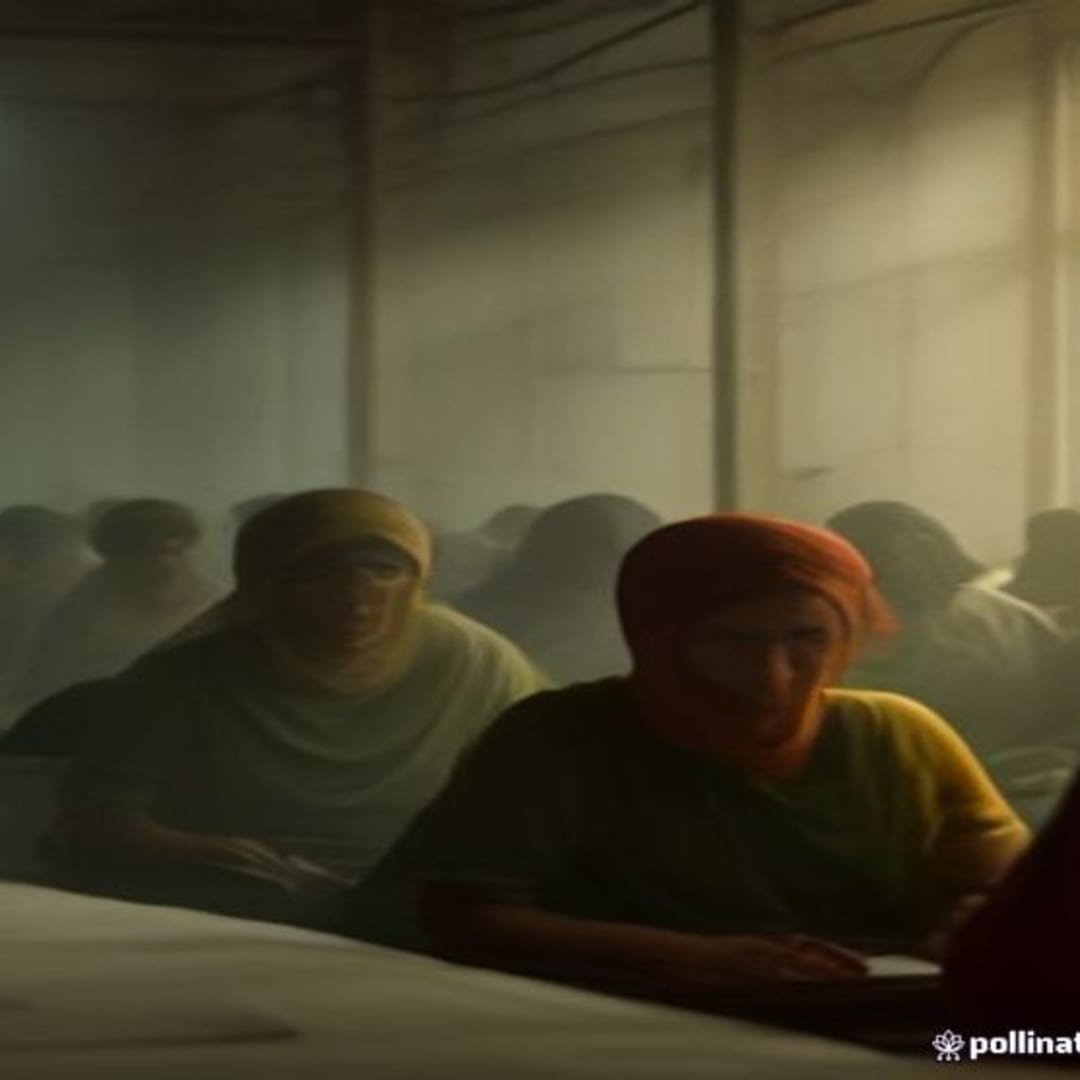
## The Unseen Battle in India's Manchester Sunlight, thick and yellow, barely penetrates the corrugated iron roof of Jagtar Singh's workshop in Ludhiana’s Focal Point industrial area. The air inside is a swirling vortex of cotton dust, chemical fumes from dyeing units, and the exhaust of ancient machinery. Outside, the September 2026 heat, a brutal 38°C even in the late morning, presses down relentlessly. Jagtar, a 48-year-old migrant worker from Bihar, wipes a bead of sweat mixed with grime from his brow.
His cough, a persistent, rasping sound, has been his unwelcome companion for years, growing worse with each scorching summer and every increasingly hazy winter. Ludhiana, often hailed as India’s Manchester for its robust textile and hosiery industry, is grappling with a silent, yet increasingly vocal, crisis. It's a double-edged sword of accelerating climate change – manifested in record-breaking temperatures – combined with pervasive industrial air pollution. This toxic synergy is not just an environmental concern; it’s an existential threat to the thousands of textile workers like Jagtar, who form the backbone of the city's economy.
Today, 22 September 2026, as India faces unprecedented climate challenges and its cities report dangerous AQI levels, Ludhiana stands as a stark microcosm of a nation under siege. While much attention rightly focuses on mega-cities, the plight of industrial hubs like Ludhiana, and its vulnerable workforce, demands urgent intervention. ## A City Choked: Industrial Heart, Polluted Lungs Ludhiana's industrial might is undeniable. From hosiery and textiles to auto components and bicycle manufacturing, its factories hum with activity.
Yet, this economic engine comes at a steep environmental cost. The city consistently ranks among India’s most polluted, with PM2. 5 levels frequently soaring beyond healthy limits, particularly during the cooler months when atmospheric inversions trap pollutants. But the problem isn't confined to a seasonal haze; it's a year-round assault on air quality.
Sources of pollution are manifold: hundreds of dyeing units release volatile organic compounds and particulate matter; small-scale electroplating and metal fabrication workshops contribute heavy metals; outdated boilers burn fossil fuels inefficiently; and the ever-growing vehicular traffic adds its noxious cocktail. Construction dust from rapid urban expansion further exacerbates the particulate load. The Punjab Pollution Control Board (PPCB) has made efforts to monitor and regulate emissions, yet the sheer density of industrial activity, often operating in unregulated or semi-regulated clusters, presents an enormous challenge. “We see a direct correlation between the operational hours of certain units and the quality of air in our residential colonies nearby,” says Rakesh Kumar, a local environmental activist associated with the 'Green Ludhiana Initiative'.
“Even when industries are supposed to be using cleaner fuels, enforcement can be lax. The cumulative impact is devastating. ” ## The Heat Amplifier: When Mercury Meets Murk India's climate crisis has made 2026 a year of extremes. Ludhiana, like many other cities in the Indo-Gangetic Plain, has experienced prolonged heatwaves, with summer temperatures regularly breaching 45°C.
This extreme heat doesn't just make life unbearable; it actively compounds the dangers of air pollution. Firstly, high temperatures can increase the formation of ground-level ozone, a harmful air pollutant that aggravates respiratory diseases. Secondly, heat causes increased evaporation, drying out soil and contributing to dust generation, especially in construction zones and unpaved areas. Thirdly, the physiological stress of working in extreme heat makes individuals more susceptible to the adverse effects of pollution.
Dehydration and heat exhaustion weaken the body's defenses, making the lungs more vulnerable to irritants and toxins. For textile workers, this dual threat is particularly insidious. Many work in poorly ventilated factories, where machinery generates additional heat, turning workshops into veritable furnaces. When coupled with the already poor outdoor air quality, the indoor environment becomes a breeding ground for chronic respiratory ailments.
“My chest feels tight most days,” Jagtar confides, wiping sweat from his brow. “In summer, it’s like breathing fire and smoke together. My family back home thinks I’m making good money, but they don’t see what it costs me here. ” ## The Human Cost: A Workforce Under Siege The vast majority of Ludhiana's textile workers are migrants from poorer states, often living in congested, informal settlements with inadequate sanitation and limited access to healthcare.
They are the most vulnerable segment of the population, lacking the resources or political voice to demand safer working conditions or better environmental quality. These workers are exposed to a cocktail of pollutants – cotton dust, synthetic fibers, chemical dyes, solvents – combined with the physical strain of long hours and high temperatures. The result is a surge in respiratory illnesses: chronic bronchitis, asthma, silicosis-like conditions, and other lung disorders. Local doctors report an increase in patients presenting with persistent coughs, shortness of breath, and exacerbated allergic reactions, especially among the working-age population from industrial areas.
Dr. Preet Kaur, a pulmonologist at a private clinic in Ludhiana, notes, “We’re seeing younger patients with respiratory issues typically associated with older age or long-term smoking. The combination of occupational exposure and ambient air pollution, amplified by heat stress, is creating a public health emergency that is largely unacknowledged. Many workers cannot afford consistent treatment, leading to debilitating long-term conditions.
” Beyond health, the economic toll is significant. Frequent illness leads to lost wages, increased medical expenses, and reduced productivity, trapping families in a cycle of poverty. The industry itself faces challenges from a declining healthy workforce and the potential for reduced output, undermining Ludhiana's competitive edge in the long run. ## Path to Respiration: Solutions for a Breathable Future Addressing Ludhiana's dual crisis requires a multi-pronged, collaborative approach: 1.
**Stricter Emission Controls and Enforcement:** The PPCB must be empowered with greater resources and stricter mandates to monitor and enforce industrial emission standards. This includes regular, unannounced inspections, penalties for non-compliance, and incentives for adopting cleaner production technologies, such as advanced filtration systems and efficient fuel usage. 2. **Transition to Cleaner Technologies:** Industries, especially small and medium enterprises (SMEs), need support and subsidies to upgrade to modern, less polluting machinery and processes.
Promoting cleaner dyeing techniques, waste heat recovery, and renewable energy sources within industrial estates can significantly reduce the environmental footprint. 3. **Worker Safety and Health:** Mandating and enforcing the use of appropriate personal protective equipment (PPE) like respirators for workers in dusty or fume-laden environments is crucial. Regular health check-ups, especially for respiratory health, should be provided free of cost to industrial workers.
Awareness campaigns on occupational hazards and heat stress management are also vital. 4. **Urban Planning and Green Infrastructure:** Developing green belts around industrial areas, promoting tree plantation drives, and investing in urban green spaces can help mitigate both air pollution and urban heat island effects. Improved public transport and cycling infrastructure can reduce vehicular emissions.
5. **Community Engagement and Data Transparency:** Local communities and environmental groups like the 'Green Ludhiana Initiative' must be involved in monitoring air quality and advocating for change. Making real-time, hyper-local air quality data publicly accessible can empower residents and drive accountability. 6.
**Climate-Resilient Infrastructure:** Implementing cooler roof technologies, promoting passive cooling designs for industrial buildings and worker housing, and ensuring access to potable water can help mitigate heat stress. Jagtar Singh’s cough is a grim reminder that economic progress cannot come at the cost of human health and environmental integrity. Ludhiana, a city of industrious spirit, faces a pivotal moment. The choice is clear: continue on a path where prosperity is built on polluted air and suffering lungs, or invest in a future where sustainable industry thrives, and every worker can breathe easy, even as the climate shifts around them.
The battle for breathable air in India’s industrial heartlands is a battle for its very future.