Climate Change
Kolkata's Youngest Battle: Heat, Haze, and Stunted Futures
Kolkata's children, amidst record heat and hazardous air, face a devastating assault on their health and cognitive development.
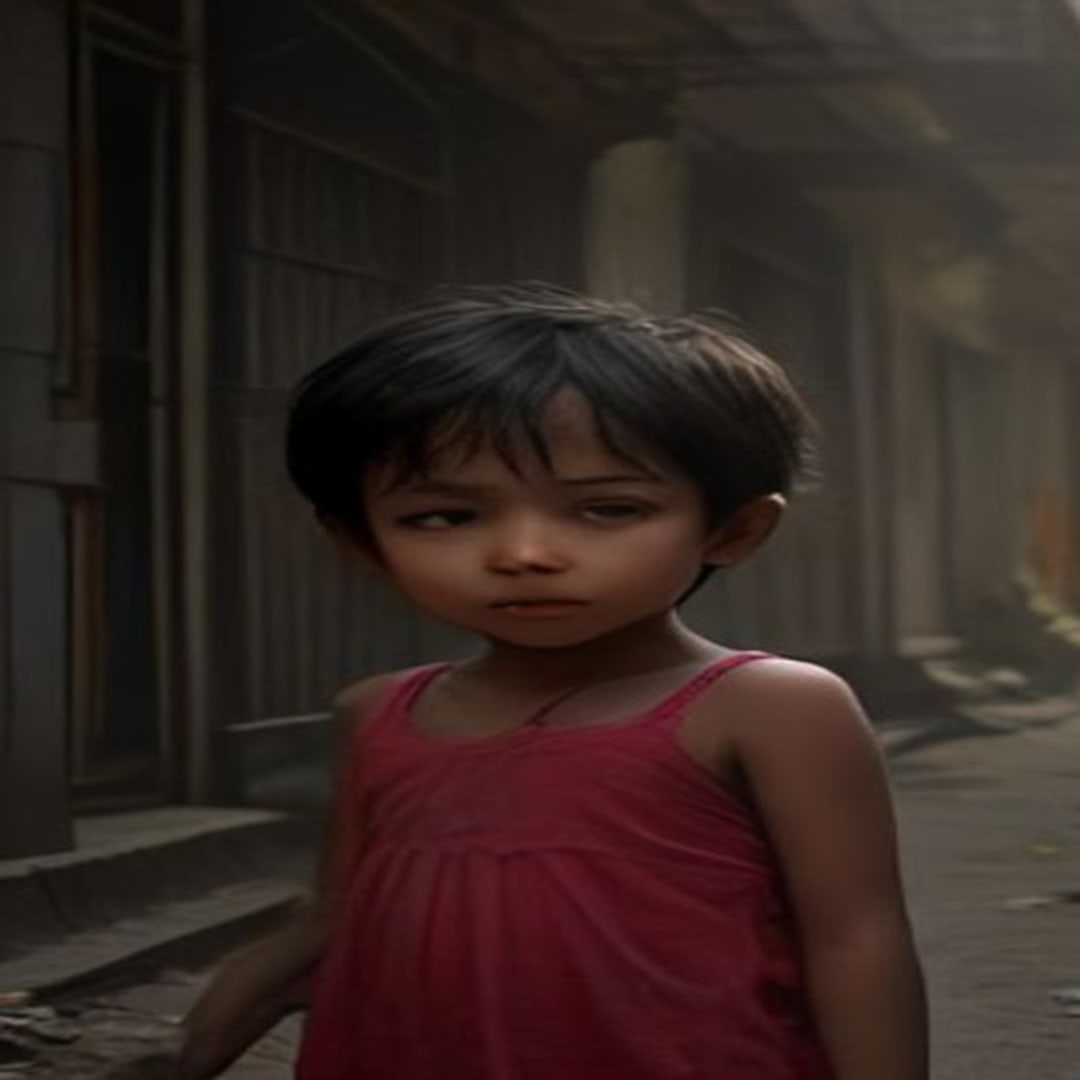
Riya, just seven years old, knows the oppressive weight of Kolkata’s summer better than most. Her small room, tucked within a labyrinthine alley of a bustling Behala neighbourhood, traps the heat like a furnace. Even in September 2026, when the monsoon should offer respite, the city still simmers, its air thick with a pervasive haze. Riya’s persistent dry cough is a constant companion, a stark echo of the city’s environmental distress.
Her mother often finds her struggling to breathe at night, a common plight among children in Kolkata's densely packed urban core. Kolkata, the ‘City of Joy,’ is increasingly becoming a city of pervasive discomfort and grave health risks for its youngest inhabitants. As India grapples with unprecedented climate challenges—record temperatures, erratic monsoons, and extreme weather events—and its cities choke under dangerous levels of air pollution, children like Riya are disproportionately bearing the brunt. Their developing bodies and minds are uniquely vulnerable to the dual assault of escalating heat and toxic air, threatening not just their present well-being but the very trajectory of their futures.
## The Unseen Siege: Kolkata's Dual Crisis For years, Kolkata has been on the frontlines of India’s environmental battle. The city's unique geography, nestled in the Gangetic Delta and surrounded by industrial belts, makes it particularly susceptible to both extreme heat and severe air pollution. In 2026, the situation has intensified. Average summer temperatures have climbed steadily, often surpassing 40°C for extended periods, pushing the urban heat island effect to dangerous extremes.
Compounding this, the Air Quality Index (AQI) frequently hovers in the ‘Very Poor’ or ‘Severe’ categories, with PM2. 5 levels regularly exceeding the World Health Organization's safe limits by five to eight times. This isn't just an inconvenience; it's a systemic failure to protect public health. The sources are manifold: vehicular emissions from a burgeoning transport sector, industrial discharge from surrounding factories, construction dust from rapid urbanisation, and biomass burning from informal settlements contribute significantly to the toxic cocktail children breathe daily.
Simultaneously, concrete jungles and diminishing green spaces mean less shade and natural cooling, trapping heat and exacerbating its physical toll. ## Children: The Most Vulnerable Frontline Children are not merely smaller adults; their physiological systems are still developing, making them uniquely susceptible to environmental stressors. Their lungs are still maturing, their immune systems are less robust, and their bodies have a smaller surface area-to-mass ratio, making thermoregulation less efficient. They also breathe faster, inhaling a greater volume of air relative to their body weight than adults, thereby absorbing more pollutants.
Moreover, children often spend more time outdoors, especially in low-income communities where indoor spaces are cramped and lack adequate ventilation or cooling. Dr. Anirban Basu, a paediatric pulmonologist at a prominent Kolkata hospital, notes a concerning trend: “We are seeing a significant rise in respiratory illnesses among children—asthma, chronic bronchitis, and even impaired lung function in very young patients. It’s no longer just seasonal; these conditions are becoming endemic, directly correlated with sustained exposure to high PM2.
5 levels and ground-level ozone, which become more potent in higher temperatures. ” The combination of heat stress and air pollution acts synergistically, creating a more dangerous environment than either threat alone. Heat exacerbates the formation of ground-level ozone, a potent respiratory irritant, while also weakening the body’s ability to fight off pollutant-induced inflammation. ## Health's Heavy Toll: Beyond the Immediate The consequences extend far beyond a persistent cough.
The dual crisis exacts a heavy toll on multiple facets of a child's health and development: ### Respiratory Distress and Chronic Illness Chronic exposure to fine particulate matter (PM2. 5) and other pollutants can lead to irreversible lung damage. Studies across Indian cities indicate that children living in highly polluted areas have reduced lung capacity and are at a significantly higher risk of developing asthma, allergies, and recurrent respiratory infections. In Kolkata, children often spend days away from school due to severe asthmatic attacks or bronchitis, leading to missed education.
### Cognitive and Developmental Delays Emerging research suggests a link between air pollution exposure during critical developmental windows and cognitive impairments. Toxins can cross the blood-brain barrier, affecting neurological development, leading to reduced concentration, lower test scores, and behavioural issues. Heat stress further compounds this by disrupting sleep patterns and causing fatigue, hindering a child's ability to learn and thrive in academic settings. ### Heat-Related Illnesses and Nutritional Challenges Dehydration, heat exhaustion, and heatstroke are direct threats.
However, persistent heat also disrupts sleep, impacting overall growth and development. Families, particularly those struggling financially, may also face challenges keeping food fresh in the heat, potentially leading to food insecurity and nutritional deficiencies for children. ## The Geography of Disparity: Who Suffers Most? The impact of Kolkata’s environmental crisis is far from uniform.
It is deeply stratified by socio-economic lines. Children in informal settlements, densely packed bastis, and low-income neighbourhoods bear the brunt. These areas often lack proper sanitation, have minimal green cover, and are built with heat-absorbing materials like corrugated metal and concrete, creating intense ‘heat traps. ’ They are also frequently situated near industrial zones, major traffic arteries, or waste dumping sites, directly exposing residents to the highest concentrations of pollutants.
Access to protective measures is also starkly unequal. While wealthier families might afford air purifiers, air conditioning, or access to cooler, greener private spaces, the majority of Kolkata’s children have no such respite. Their schools often lack adequate ventilation, cooling, or clean air systems, turning classrooms into health hazards during peak heat and pollution days. This environmental injustice perpetuates cycles of poverty and ill-health, widening the educational and health gaps between different segments of society.
## Policy Gaps and Fragmented Responses Despite the escalating crisis, a truly integrated and child-centric response remains elusive. The National Clean Air Programme (NCAP) sets targets for pollution reduction, and the West Bengal Pollution Control Board (WBPCB) monitors air quality and enforces some regulations. However, these efforts often operate in silos, failing to adequately address the combined threat of heat and air pollution, especially concerning children. Existing Heat Action Plans (HAPs) in many Indian cities, if they exist, often focus on immediate emergency response for adults, rather than long-term preventative measures or specific interventions for children.
There's a glaring absence of policies that mandate green infrastructure in urban planning, improve ventilation in public schools, or provide accessible, climate-controlled public spaces for vulnerable communities. Furthermore, public health advisories often lack specific guidance for parents of young children on how to protect them during extreme heat and high pollution days, leaving many families to navigate these dangers with limited information and resources. ## Towards a Breathable Future: Integrated Solutions Addressing Kolkata’s dual crisis requires a paradigm shift—from fragmented responses to a holistic, integrated, and child-focused strategy. This must encompass: * **Urban Greening and Blue Infrastructure:** Aggressive tree-planting drives, creation of urban parks, green roofs, and integrating water bodies can significantly reduce urban temperatures and absorb pollutants.
The **Kolkata Metropolitan Development Authority (KMDA)** must prioritize these initiatives, especially in vulnerable neighbourhoods. * **Cooling Centres and Resilient Infrastructure:** Establishing publicly accessible, well-ventilated, and cooled community centres, especially near low-income areas, can offer essential refuge during heatwaves. Investing in heat-resilient building materials and design for new construction and retrofitting existing schools and public buildings is crucial. * **Stricter Emission Controls and Sustainable Transport:** Implementing and rigorously enforcing tighter emission standards for vehicles and industries is non-negotiable.
Promoting electric public transport, cycling infrastructure, and pedestrian-friendly zones can dramatically reduce vehicular pollution. * **Public Awareness and Education:** Targeted campaigns, especially for parents, educators, and healthcare providers, on the risks of heat and air pollution for children, along with practical protective measures, are vital. This includes promoting the use of masks during high pollution days and ensuring adequate hydration during heatwaves. * **Child-Centric Urban Planning:** Future urban development must consider children's health.
This means designing neighbourhoods with ample green spaces, safe play areas, and ensuring schools are located away from major pollution sources and are equipped with clean air and cooling systems. Policies inspired by organizations like UNICEF India, which advocate for child-friendly cities, need robust implementation. * **Renewable Energy Transition:** Accelerating the shift towards solar and other renewable energy sources across the state can significantly reduce reliance on fossil fuels, thereby cutting down industrial and power sector emissions that contribute to Kolkata's haze. ## A Call for Collective Action Riya’s persistent cough is more than a personal ailment; it is a symptom of a larger environmental failing that jeopardizes an entire generation.
Kolkata's children represent the city's future, and their well-being is inextricably linked to the health of their environment. Protecting them from the relentless assault of heat and toxic air demands urgent, coordinated action from the government, civil society, urban planners, and every citizen. It is time to move beyond fragmented approaches and embrace a vision for Kolkata that prioritises its youngest citizens. Only by fostering a city that is cool, green, and breathable can we truly reclaim the 'City of Joy' and ensure a healthy, thriving future for Riya and countless others like her.