Air Pollution
Kolkata's Air Crisis: Transport's Toxic Trail Unmasked
As temperatures soar and air quality plummets, Kolkata confronts its aging vehicle fleet and burgeoning traffic, choking citizens with every breath.
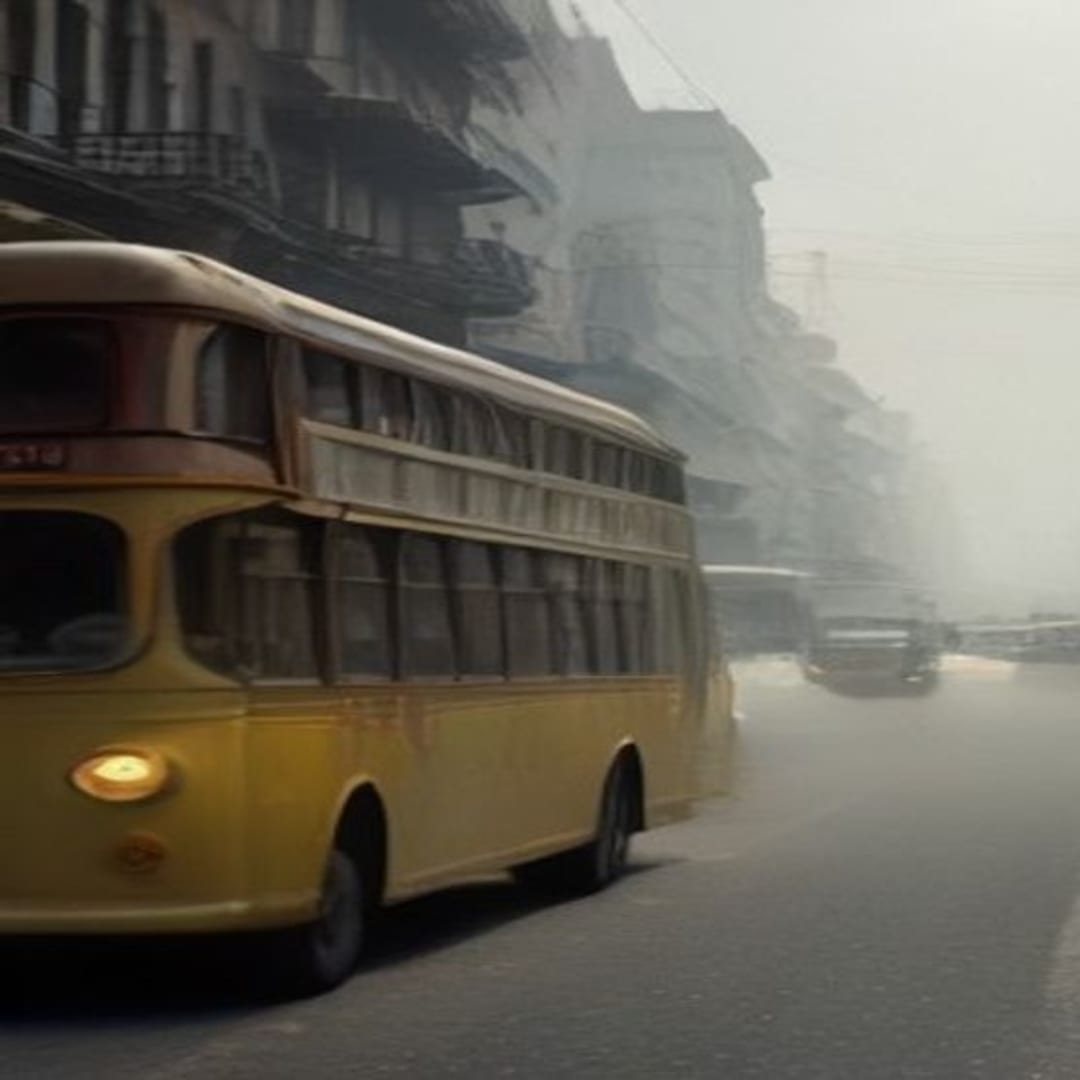
The morning sun, struggling to pierce through a persistent grey veil, casts a muted glow over Kolkata's iconic Howrah Bridge. Below, the city awakens to a familiar symphony: the incessant honking of yellow taxis, the rumbling of buses, and the whirring of thousands of two-wheelers. But beneath this cacophony lies a more insidious truth – a city struggling to breathe. Today, 29 August 2026, as India grapples with record temperatures and critical air quality levels in its urban centres, Kolkata finds itself at a pivotal crossroads, its residents inhaling a toxic cocktail largely concocted by its own transport network.
While industrial emissions and construction dust contribute significantly to India’s urban air woes, Kolkata’s unique challenge lies in the sheer volume and age of its vehicle fleet. Recent reports indicate that the city consistently ranks among India's most polluted, with vehicular emissions identified as a primary driver. Unlike the more celebrated shifts towards cleaner transport in some northern cities, Kolkata’s transition has been slower, its historical urban fabric and socio-economic realities presenting a complex web of obstacles. ## The Unseen Burden: Vehicular Emissions' Grip For years, the focus of air pollution discourse in India has often centred on Delhi NCR, but the problem is pervasive.
Kolkata, with its dense population of over 15 million in the metropolitan area, faces a monumental task. The city's vehicle registration numbers continue to climb, adding to an already saturated road network. A significant portion of this fleet comprises older, less fuel-efficient vehicles – from the iconic Ambassador taxis, many of which still ply the roads, to a substantial contingent of buses and auto-rickshaws that are often past their prime. These vehicles, running on a mix of diesel and petrol, are significant contributors of particulate matter (PM2.
5 and PM10), nitrogen oxides (NOx), sulfur dioxide (SO2), carbon monoxide (CO), and volatile organic compounds (VOCs). Traffic congestion is another critical factor. Kolkata's labyrinthine streets and numerous choke points mean vehicles spend extended periods idling, releasing more pollutants than when in motion. The stop-and-go nature of urban commuting not only wastes fuel but also exacerbates the emission profile, leading to localized hotspots of extreme pollution that directly impact pedestrians and street vendors.
## Kolkata's Unique Confluence: History Meets Haze What makes Kolkata’s transport pollution challenge particularly acute is its distinctive urban landscape. Unlike planned cities, Kolkata grew organically, resulting in narrow lanes, limited road expansion possibilities, and a high reliance on public transport that, while essential, has historically been diesel-dependent. The city’s transition to CNG for public transport, though initiated, has not been as comprehensive or swift as in some other metros, leaving a large segment of its bus and taxi fleet still operating on conventional fuels. Furthermore, the sheer volume of two-wheelers and three-wheelers (auto-rickshaws), often poorly maintained and emitting high levels of pollutants, adds another layer of complexity.
These vehicles navigate every corner of the city, bringing pollution closer to residential areas, schools, and hospitals. The challenge isn’t just about replacing these vehicles; it’s about providing affordable, accessible, and equally efficient alternatives that can serve the daily needs of millions. ## Health and Economic Toll: A Breathless Future The consequences of this vehicular onslaught are dire and far-reaching. Kolkata’s residents are experiencing a palpable decline in public health.
Hospitals report a surge in respiratory ailments, including chronic bronchitis, asthma, and lung infections, particularly among children and the elderly. The long-term exposure to high levels of PM2. 5, which can penetrate deep into the lungs and bloodstream, is linked to cardiovascular diseases, strokes, and even certain cancers. The city's physicians are witnessing a new generation grappling with compromised lung capacity, a direct legacy of the air they breathe daily.
Beyond health, there's a significant economic impact. Increased healthcare expenditures, lost productivity due to illness, and a potential dampening of tourism and investment due to the city’s poor air quality all exact a heavy toll. Businesses, particularly those reliant on outdoor workers, face reduced efficiency and increased health risks for their employees. This invisible tax on the city's vitality underscores the urgent need for intervention.
## Policy Paradoxes and Pitfalls India's National Clean Air Programme (NCAP), launched in 2019, aims to reduce particulate matter concentration by 20-30% by 2024 (from 2017 levels) in 131 non-attainment cities, including Kolkata. While the intent is clear, implementation faces hurdles. Kolkata has been striving to meet its NCAP targets, but the complexities of a dense urban environment mean that blanket policies often struggle to yield desired results. The phased implementation of Bharat Stage (BS) emission norms, with BS-VI now the standard for new vehicles, is a crucial step.
However, the existing fleet of millions of BS-IV and older vehicles continues to operate, often for decades, before being scrapped. The proposed vehicle scrapping policy aims to address this, but its rollout and effectiveness, particularly in a state like West Bengal with its unique economic structure, remain challenging. Enforcement of pollution under control (PUC) certificates is also often lax, allowing many high-emitting vehicles to continue plying the roads. Furthermore, the lack of robust, real-time public data on emission sources specific to transport and effective public awareness campaigns regarding the health risks of vehicular pollution often hinder proactive policy-making and citizen participation.
The absence of a strong political will to undertake potentially unpopular measures, such as imposing congestion charges or strict vehicle age limits, also slows progress. ## The Road Ahead: Solutions on the Horizon Addressing Kolkata's vehicular pollution requires a multi-pronged, systemic approach: ### 1. Public Transport Revolution: Electric and Efficient The most impactful step is a rapid and comprehensive transition to electric public transport. Kolkata needs a significantly expanded fleet of electric buses, replacing older, diesel-guzzling counterparts.
The state government’s initiatives to procure electric buses are commendable, but the pace needs to accelerate dramatically. Furthermore, enhancing the metro network and last-mile connectivity with electric auto-rickshaws and shared mobility solutions can reduce reliance on private vehicles. ### 2. EV Infrastructure & Incentives: Powering the Future To encourage private EV adoption, Kolkata must build out its charging infrastructure rapidly and strategically.
This includes public charging stations, but also incentives for installing charging points in apartment complexes and workplaces. Financial incentives, such as purchase subsidies and road tax exemptions for EVs, can make them more attractive to consumers, particularly for two-wheelers and taxis. ### 3. Traffic Management & Urban Planning: Smarter Streets Implementing intelligent traffic management systems, optimizing signal timings, and creating dedicated bus lanes can significantly reduce congestion and idling emissions.
Promoting non-motorized transport through pedestrianization projects, safe cycling lanes, and green corridors can encourage healthier, cleaner commuting options. Rethinking urban planning to integrate residential, commercial, and recreational spaces can also reduce travel distances. ### 4. Strict Enforcement & Public Awareness: A Collective Responsibility Stricter enforcement of emission norms, regular and rigorous PUC checks, and a more robust vehicle scrapping policy are critical.
Simultaneously, public awareness campaigns must educate citizens about the direct health impacts of vehicular pollution and the benefits of sustainable transport choices. Encouraging carpooling and promoting behavioural change can contribute significantly to improving air quality. ## A Breathable Tomorrow for Kolkata Kolkata, a city steeped in history and culture, now faces a modern-day battle for the very air its citizens breathe. The rising temperatures, erratic monsoons, and extreme weather events that define India's climate crisis in 2026 only amplify the urgency of tackling urban air pollution.
While the challenges are immense, the solutions are within reach. By prioritizing sustainable transport, investing in green infrastructure, and fostering a collective will to change, Kolkata can reclaim its blue skies and ensure a healthier, more breathable future for generations to come. The time for decisive action is now, for the health of Kolkata hinges on every breath.