Pollution
Kashi's Choking Devotion: Air Pollution's Shadow on Sacred City
As Varanasi's AQI soars, the spiritual heart of India battles a pervasive haze threatening ancient traditions and public health.
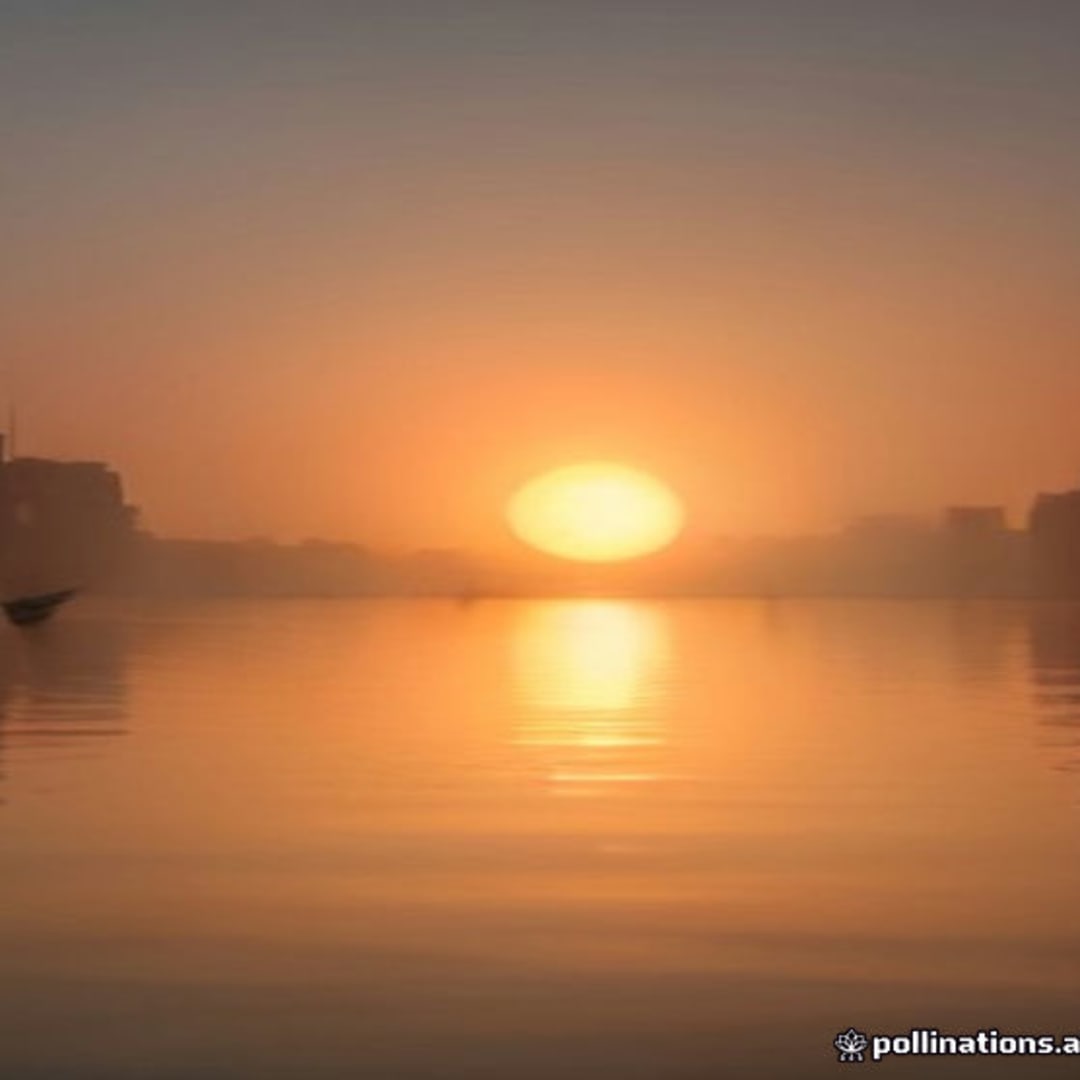
The rhythmic chant of mantras usually fills the pre-dawn air at Assi Ghat in Varanasi, a spiritual balm for countless pilgrims gathered for the Ganga Aarti. But this October morning in 2026, the sacred sounds compete with a persistent rasp in the throat, and the rising sun, typically a fiery orb of hope, struggles to pierce a dense, grey shroud. Rajesh, a boatman whose family has ferried pilgrims for generations, coughs into his hand, his eyes red-rimmed. "The air, Didi, it's not the same," he laments, gesturing towards the invisible horizon.
"It steals the breath from Kashi, and the light from our days. " This isn't just a lament; it's a stark reality for Varanasi, India's holiest city, where devotion now contends with a suffocating blanket of air pollution. ## The Veil Over Kashi: A Pilgrimage Through Haze Varanasi, or Kashi as it’s traditionally known, stands as a living testament to India's spiritual and cultural heritage, drawing millions of devotees and tourists annually to its ancient ghats and narrow alleys. Yet, for years, this venerated city has found itself on the frontlines of India's escalating air quality crisis.
On multiple occasions in the past year, Varanasi's Air Quality Index (AQI) has soared past the 300-mark, often touching severe levels of 400+, particularly during the cooler, calmer months. These alarming readings, predominantly driven by fine particulate matter (PM2. 5), consistently place Varanasi among the most polluted cities in the world. The haze is no longer a seasonal phenomenon; it's a persistent, unwelcome visitor that diminishes visibility, obscures the city's architectural grandeur, and casts a long, insidious shadow over its spiritual essence.
## Beyond the Sacred Banks: Unpacking Varanasi's Air Crisis The sources of Varanasi's airborne toxicity are complex and multi-faceted, mirroring the challenges faced by many Indian urban centres, yet exacerbated by its unique urban fabric. Vehicular emissions remain a significant contributor, with a burgeoning fleet of vehicles navigating the city's congested roads. Dust from construction and crumbling infrastructure projects adds to the particulate load, a constant presence in a city undergoing rapid, yet often poorly regulated, development. Small-scale industries, including the famed silk weaving units in areas like Lohta and Sarai Mohana, contribute to industrial emissions, often operating with outdated technology and inadequate pollution controls.
However, Varanasi also faces challenges rooted in its traditions. Biomass burning, from household cooking to the sacred cremation rituals along the Ganga, releases substantial quantities of smoke and particulate matter. While respectful of centuries-old practices, the sheer volume contributes to the overall atmospheric burden. Open waste burning, a common sight on the city's periphery, further injects a noxious cocktail of pollutants into the already compromised air.
The confluence of these diverse sources creates a pollution trap, especially during winter months when cooler temperatures and slower winds prevent pollutants from dispersing, locking Kashi beneath a dense, grey canopy. ## A Breathless Legacy: Health Impacts on Residents and Pilgrims The consequences of this pervasive pollution are dire and far-reaching, impacting the health of Varanasi's approximately 1. 5 million residents and its transient pilgrim population alike. Healthcare professionals in the city report a significant surge in respiratory ailments, including chronic bronchitis, asthma, and other obstructive pulmonary diseases.
Children and the elderly are particularly vulnerable, with paediatric wards often overwhelmed by cases of severe respiratory infections. The insidious nature of PM2. 5, tiny particles that can penetrate deep into the lungs and even enter the bloodstream, also contributes to cardiovascular diseases, increasing the risk of heart attacks and strokes. Pilgrims, many of whom travel from rural areas with cleaner air, often find their spiritual journey marred by coughing, wheezing, and discomfort.
The very act of taking a holy dip in the Ganga, intended for purification, can be compromised when the air itself is a source of illness. This health burden places an immense strain on the city's public health infrastructure and diminishes the overall quality of life for those who call Varanasi home. The irony is stark: a city revered for its promise of spiritual liberation inadvertently becomes a source of physical affliction. ## When Tradition Meets Toxicity: Culture and Livelihoods Under Threat Beyond health, Varanasi's air pollution poses an existential threat to its cultural heritage and the livelihoods intertwined with its traditions.
The city's iconic silk weaving industry, known globally for its intricate Banarasi sarees, suffers not just from the health effects on its artisans but also from reduced demand as tourists, deterred by the suffocating air, choose other destinations. "Who wants to buy a saree when your lungs are burning? " asks a silk merchant near Dashashwamedh Ghat, his voice tinged with resignation. The thousands of boatmen, like Rajesh, who depend on tourism and pilgrimage, face dwindling patronage.
The hazy skies diminish the allure of sunrise boat rides and obscure the panoramic views of the ghats, robbing visitors of the quintessential Varanasi experience. Furthermore, the very physical fabric of the city's ancient temples and heritage structures is under threat. Soot and particulate matter settle on stone and brick, accelerating erosion and discolouration, slowly erasing the intricate details of centuries of craftsmanship. The spiritual aura, once vibrant and palpable, risks being diluted by the persistent visual and physical presence of pollution.
## Varanasi's Resolve: Charting a Course Towards Cleaner Skies Recognizing the gravity of the situation, various stakeholders are now engaged in a concerted effort to reclaim Varanasi's sacred breath. As a designated 'non-attainment city' under the National Clean Air Programme (NCAP), Varanasi is part of a national initiative to reduce PM2. 5 and PM10 concentrations by 20-30% by 2024 (from 2017 levels). While progress has been incremental, local authorities, in coordination with the Uttar Pradesh Pollution Control Board, are implementing targeted interventions.
These include promoting cleaner public transport, with an increasing number of electric rickshaws and buses, and improving road infrastructure to reduce traffic congestion. Efforts are also underway to better manage municipal solid waste, aiming to curb open burning. The government is exploring cleaner technologies for cremation, such as electric crematoriums, to mitigate emissions from traditional practices. Community engagement plays a vital role, with local NGOs and citizen groups working to raise awareness about the health impacts of pollution and advocate for stricter enforcement of environmental regulations.
There is also a push towards integrating advanced air quality monitoring systems to provide real-time data, empowering residents and policymakers to make informed decisions. ## The Path Ahead: Balancing Devotion, Development, and Clean Air Varanasi's battle for clean air is a microcosm of India's larger environmental challenges, exacerbated by the pressing realities of climate change, which often compounds air quality issues. The path forward for Kashi is fraught with complexities, demanding a delicate balance between preserving ancient traditions, fostering economic development, and safeguarding public health and the environment. It requires a comprehensive approach: stringent enforcement of emission norms for vehicles and industries, transitioning to cleaner energy sources, promoting sustainable urban planning, and fostering deep community participation.
The sanctity of Varanasi lies not just in its spiritual practices but also in the purity of its environment. To truly honour its legacy, the city must ensure that its air is as clean and life-giving as the Ganga it embraces. The collective devotion of its people, coupled with robust policy and technological innovation, holds the key to restoring Kashi's sacred breath, allowing future generations to experience its divine essence unmarred by the pervasive shadow of pollution. Only then can the chants rise unhindered, and the sun truly illuminate the spiritual heart of India.