Climate Change
Jaipur's Street Economy: Battling Heat & Erratic Monsoons
Rising temperatures and unpredictable weather are scorching the livelihoods of Jaipur's vibrant informal street vendors.
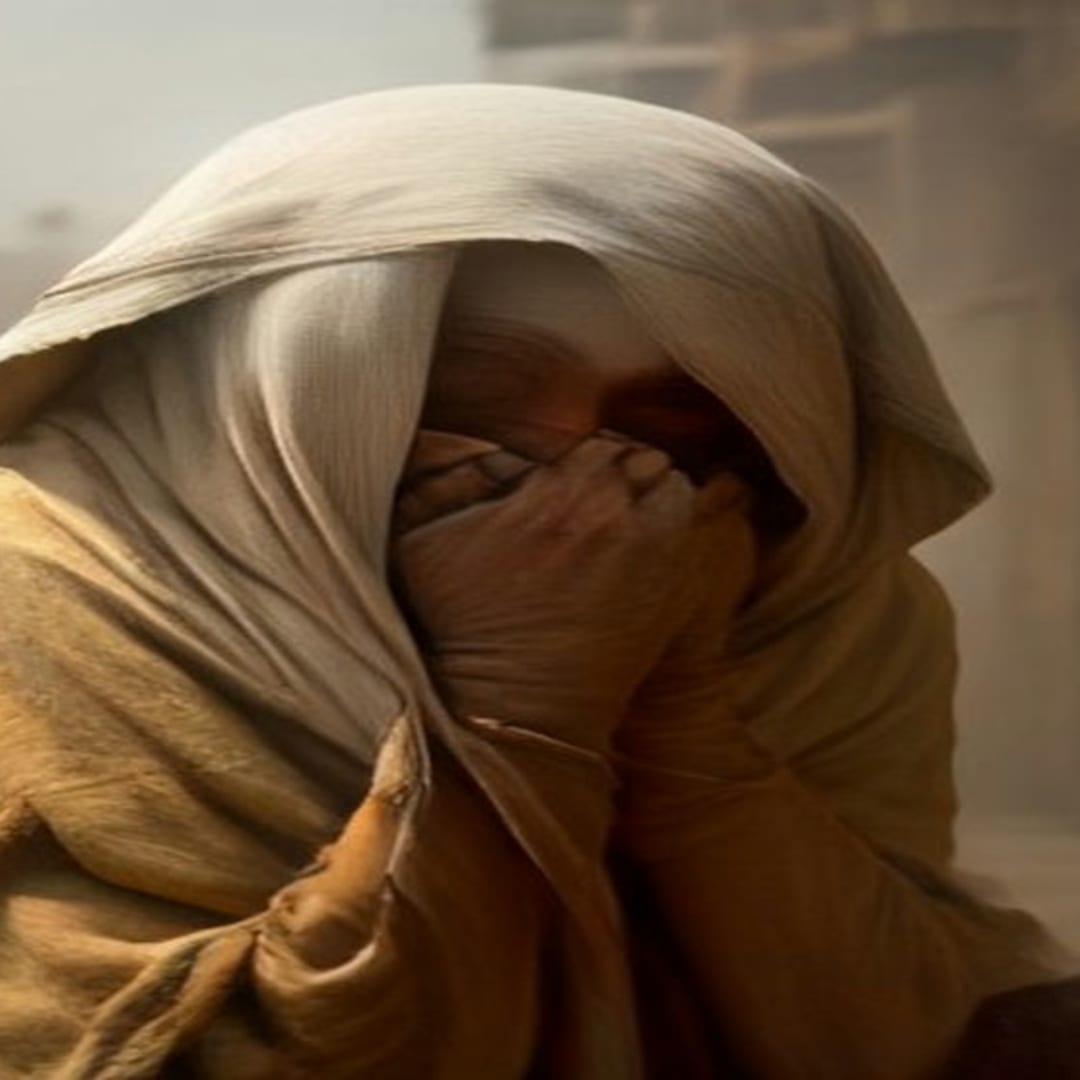
The relentless sun beats down on Choti Chopar, a familiar scene in Jaipur's historic heart. Under a rapidly fading canopy, Leela Devi meticulously arranges her colourful bangles, their shimmer dulled by the stifling heat. It's only 11 AM on this October morning in 2026, yet the temperature already hovers near 38 degrees Celsius – a 'cooler' day by recent standards. 'Customers rarely venture out before evening now,' she sighs, fanning herself with a tattered piece of cardboard.
'And even then, the heat saps their energy, their desire to browse. My bangles sit unworn, like my hopes for a good day’s earning. ' Leela’s story is not unique. Across Jaipur, the 'Pink City' renowned for its vibrant bazaars, intricate crafts, and delicious street food, a silent, pervasive crisis is simmering.
India’s escalating climate emergency, characterised by record temperatures and erratic monsoons, is directly scorching the livelihoods of millions in the informal sector, nowhere more visibly than among the city’s invaluable street vendors and artisans. These resilient individuals, the backbone of Jaipur’s cultural and economic identity, are on the frontline of a climate battle they did not ask for, with devastating consequences for their daily bread and the city's unique charm. ## The Invisible Workforce: Jaipur's Street Heartbeat Jaipur’s streets pulsate with an energy largely generated by its informal economy. From the famous Johari Bazaar to the bustling Bapu Bazaar, countless vendors sell everything from traditional Rajasthani textiles, jewellery, and handicrafts to piping hot kachoris and refreshing lassi.
These entrepreneurs, often operating with minimal capital and no formal infrastructure, contribute significantly to the city's economy and tourism appeal. They are the living embodiment of Jaipur's heritage, their presence an integral part of the visitor experience and local daily life. Yet, this vibrant workforce remains acutely vulnerable to environmental shifts. Unlike formal businesses with air-conditioned premises or weather-resistant structures, street vendors operate in open spaces, directly exposed to the elements.
Their temporary stalls offer little protection, making them exceptionally susceptible to the whims of a rapidly changing climate. ## Climate's Double-Edged Sword: Heat and Deluge Jaipur, like much of Rajasthan, experiences scorching summers where temperatures frequently soar past 45°C. These extreme heatwaves are no longer isolated incidents but an increasingly regular feature of the city’s climate. For street vendors, this means a devastating combination of challenges: * **Reduced Footfall:** With daytime temperatures becoming unbearable, tourists and locals alike avoid venturing out during peak selling hours, drastically cutting into daily sales.
* **Spoiled Perishables:** Food vendors, in particular, struggle to keep their fresh produce and cooked items from spoiling rapidly in the heat, leading to significant financial losses and potential health risks for consumers. * **Health Hazards:** Prolonged exposure to extreme heat causes dehydration, heatstroke, and exhaustion among vendors. Many cannot afford to take a day off, pushing their bodies to the limit just to earn a meager income. * **Material Damage:** For artisans selling textiles, paintings, or wooden crafts, the intense sun can fade colours, warp materials, and degrade product quality.
Adding to this, the monsoons, once a predictable relief, have become increasingly erratic. Instead of consistent, moderate rainfall, Jaipur now experiences prolonged dry spells followed by sudden, intense downpours. These deluges pose a different set of threats: * **Destroyed Goods:** Heavy rains can drench and ruin inventory, from perishable food items to delicate textiles and paper crafts, leading to immediate financial losses. * **Loss of Selling Days:** Streets become waterlogged, making it impossible for vendors to set up their stalls or for customers to access them, resulting in lost income for days.
* **Infrastructure Damage:** Makeshift shelters and carts are often damaged or washed away by strong winds and heavy rain, requiring costly repairs or replacements. ## A Day in the Life: The Daily Grind Under Threat Consider Rajesh, who sells traditional leather mojris near Hawa Mahal. His day begins before dawn, preparing his cart. By noon, the sun's glare makes his small patch unbearable.
He douses his head with water, seeks refuge under a narrow awning, and hopes for a cloud. The monsoon brings different anxieties; a sudden cloudburst can ruin his carefully crafted shoes in minutes, undoing days of work. 'Earlier, the heat was bad, but you knew when it would pass,' Rajesh recounts. 'Now, every day feels like a gamble.
Will the sun burn my stock, or will the rain wash it away? ' These daily struggles have profound consequences. Reduced income pushes already vulnerable families deeper into poverty. The constant stress of unpredictable earnings takes a toll on mental health.
For some, the only option might be to abandon their traditional livelihoods, eroding a vital piece of Jaipur’s cultural fabric and forcing migration to already overcrowded urban centres. ## Gaps in Support: Climate Blind Spots in Policy The Indian government enacted the **Street Vendors (Protection of Livelihood and Regulation of Street Vending) Act, 2014**, aimed at protecting the rights and regulating the activities of street vendors. It mandates the formation of **Town Vending Committees (TVCs)** to ensure their participation in urban planning decisions. While a crucial step towards formal recognition, the Act, in its current implementation, largely overlooks the escalating climate crisis.
There's a significant gap in integrating climate resilience measures into policy frameworks for the informal sector. Vendors lack access to weather-indexed insurance, climate-resilient infrastructure, or specific advisories tailored to their unique vulnerabilities. Urban planning often prioritises vehicular traffic or formal retail, leaving street vendors without adequate shading, access to clean water, or robust, temporary shelters that can withstand extreme weather. This oversight leaves millions like Leela and Rajesh without a safety net, battling climate change purely through individual fortitude.
## Paths to Resilience: Building a Climate-Smart Street Economy Addressing this challenge requires a multi-pronged approach that integrates climate resilience into urban planning and social protection for the informal sector: 1. **Climate-Smart Urban Vending Zones:** Local urban bodies and TVCs must redesign vending zones with climate in mind. This includes installing permanent, heat-reflective awnings, providing access to potable water, and incorporating green infrastructure like trees and vertical gardens for natural cooling. Jaipur’s Smart Cities Mission, for instance, could integrate these features into its urban redevelopment plans.
2. **Technological Solutions & Early Warning:** Providing vendors with access to hyper-local weather advisories via mobile apps can help them prepare for extreme events. For food vendors, small, solar-powered refrigeration units could prevent spoilage during heatwaves. Innovations in lightweight, durable, and easily deployable shelters are also crucial.
3. **Community-Led Adaptation:** Empowering vendor associations to collectively build resilience is vital. These groups can establish shared cooling centres, pool resources for emergency repairs, and negotiate for better access to public amenities. Organizations like SEWA (Self-Employed Women's Association) have demonstrated how collective action can uplift informal workers, and this model can be extended to climate adaptation.
4. **Policy Integration & Social Security:** The Street Vendors Act needs to evolve. Policy amendments could include provisions for climate-resilient infrastructure, weather-indexed micro-insurance schemes, and health support specifically for heat-related illnesses. Municipal corporations should actively involve vendors in designing these solutions, leveraging their on-the-ground knowledge.
5. **Skill Diversification:** Training programs that equip vendors with skills to adapt their products or services to changing weather patterns – for example, focusing on all-weather crafts or alternative income streams during off-seasons – can bolster their economic security. ## Protecting Jaipur's Soul The street vendors of Jaipur are more than just economic units; they are custodians of culture, storytellers, and the very soul of the city. As India navigates its climate crisis, neglecting this vital informal sector would not only be an economic folly but a cultural tragedy.
By acknowledging their vulnerability and actively investing in climate adaptation strategies tailored to their needs, Jaipur can protect not just livelihoods, but its unique heritage and the indomitable spirit of its people. The embered cart of today can become the beacon of resilience tomorrow, if only we choose to empower its drivers with the tools to navigate the storms ahead.