Climate Change
Jaipur's Dual Plight: Smog & Searing Heat Choke Pink City's Health
Rajasthan's capital confronts a compounding crisis as toxic air and record temperatures push its residents and healthcare to the edge.
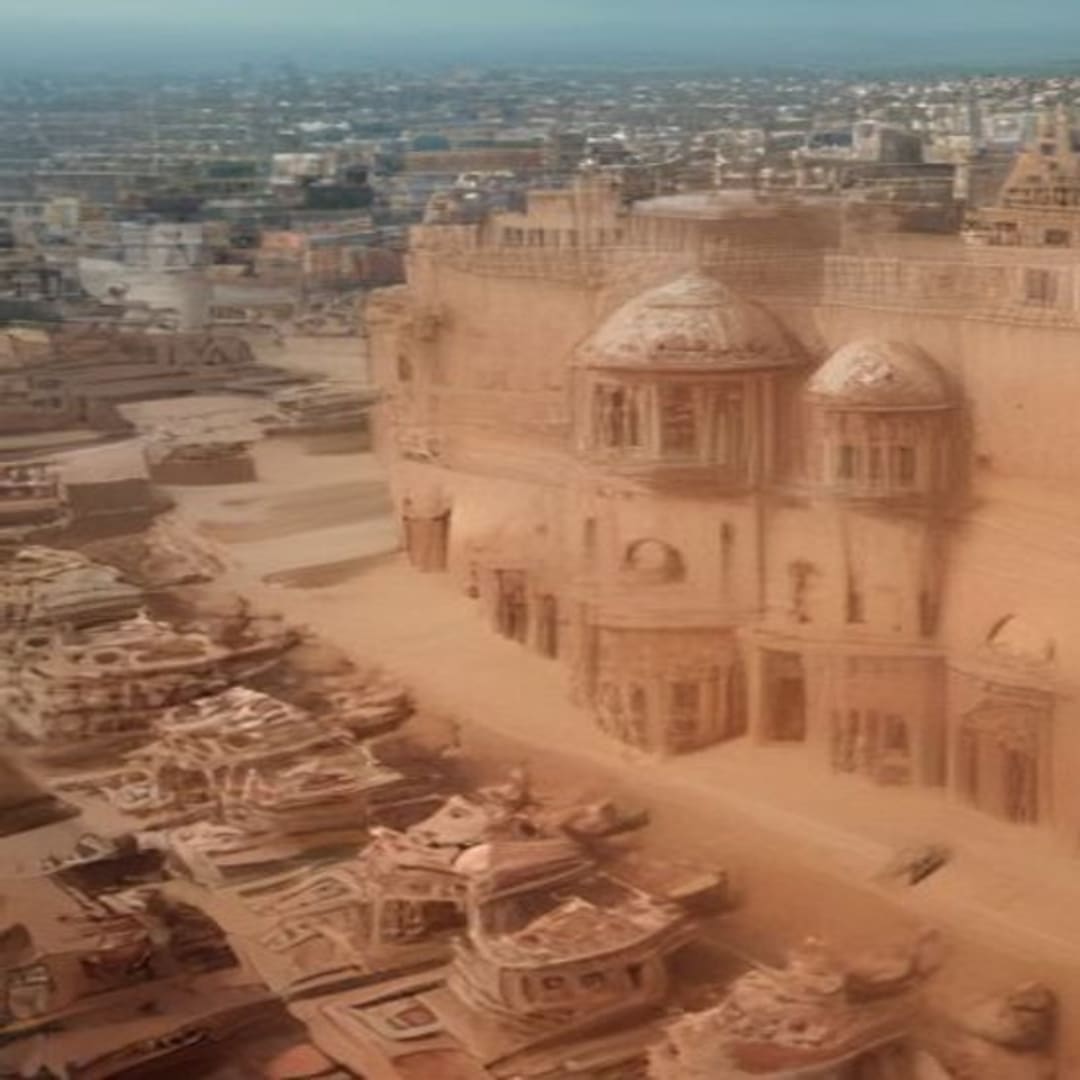
The morning mist over Jaipur's iconic Hawa Mahal once carried the scent of history and spices, a gentle prelude to the day in the Pink City. But on this September morning in 2026, for millions like 58-year-old auto-rickshaw driver Rameshwar Lal, the haze is thick with something far more insidious: a cocktail of particulate matter and pollutants that catches in the throat, burning the lungs. “Every year it gets worse,” Rameshwar coughs, wiping sweat from his brow. “The heat is unbearable, and the air… it feels like I’m breathing sand and smoke at the same time.
My chest hurts, and my eyes water, even inside the rickshaw. ” Rameshwar's daily struggle is a microcosm of a larger, escalating crisis unfolding across India's urban centres. While the nation grapples with soaring temperatures and erratic monsoons, cities like Jaipur are confronting a perilous synergy: air pollution reaching dangerous levels, exacerbated by, and exacerbating, record-breaking heatwaves. This isn't merely about two separate environmental challenges; it's about their combined assault on public health and urban liveability.
## The Pink City's Grey Veil: A Deep Dive into Jaipur's Air Quality Jaipur, a jewel in Rajasthan's tourism crown, is increasingly shrouded not just in its traditional rose-hued architecture, but in a persistent grey-brown haze. Data from the Central Pollution Control Board (CPCB) consistently places Jaipur's Air Quality Index (AQI) in the 'poor' to 'very poor' categories for extended periods, frequently spiking to 'severe' levels, particularly during the cooler months, but with elevated baseline pollution year-round. The primary culprits are a familiar urban mix, yet with a unique Rajasthani twist: * **Vehicular Emissions:** A booming population and an explosion of personal vehicles, coupled with insufficient public transport infrastructure, pump noxious gases and fine particulate matter (PM2. 5) into the atmosphere daily.
* **Construction Dust:** Jaipur is a city in perpetual expansion. Unregulated construction sites, often without adequate dust control measures, unleash vast quantities of PM10 and PM2. 5, settling on every surface and invading every breath. * **Desert Dust:** Being on the edge of the Thar Desert, Jaipur is particularly susceptible to dust storms.
While natural, these events compound existing anthropogenic pollution, carrying fine dust particles deep into the urban environment. * **Industrial and Domestic Sources:** Smaller industrial units, waste burning, and traditional cooking fuels in peripheral areas contribute significantly to the pollutant load. Jaipur is one of the 131 non-attainment cities under the National Clean Air Programme (NCAP), a government initiative aiming to reduce particulate matter concentration by 20-30% by 2024 (from 2017 levels). Yet, despite efforts, the city's air quality remains a formidable challenge.
A recent report by a consortium of environmental NGOs, including the Jaipur-based 'Paryavaran Mitras', revealed that PM2. 5 levels in residential areas frequently exceed the World Health Organization's (WHO) annual guidelines by tenfold, leading to a demonstrable rise in respiratory ailments. ## The Scorching Sands: Jaipur's Battle Against Extreme Heat Parallel to its struggle with air quality, Jaipur has been on the frontlines of India's escalating climate crisis. The India Meteorological Department (IMD) reported that 2026 saw Jaipur experience its hottest summer on record, with temperatures routinely breaching 45°C for weeks on end, and several days even touching 48°C.
These relentless heatwaves are far from mere discomfort; they are a profound threat: * **Public Health Catastrophe:** Dehydration, heatstroke, and heat exhaustion become commonplace. Vulnerable populations, particularly the elderly, young children, and outdoor workers, face life-threatening risks. Existing chronic conditions like cardiovascular diseases, diabetes, and respiratory illnesses are dangerously exacerbated. * **Economic Disruption:** Daily wage earners, construction workers, and street vendors are often forced to halt work during peak heat hours, leading to significant income loss.
Productivity across all sectors dips, impacting the local economy. * **Infrastructure Strain:** The power grid groans under the weight of increased demand for cooling, leading to frequent outages that only worsen the plight of residents, especially in low-income areas. ## The Perilous Intersection: Smog, Heat, and Human Vulnerability The true menace, however, lies in the convergence of these two crises. The human body is ill-equipped to handle the compounded stress of extreme heat and toxic air simultaneously.
Dr. Anjana Sharma, head of Pulmonology at Jaipur's Sawai Man Singh Hospital, paints a stark picture: “We are seeing a surge in patients presenting with symptoms that suggest a dual assault. A patient suffering from chronic obstructive pulmonary disease (COPD) is already compromised. Add 45-degree heat and PM2.
5 levels exceeding 200 µg/m³ – their lungs and heart are under unimaginable stress. The body’s thermoregulation is affected, and the inflammatory response from pollutants is intensified by heat stress. ” Here’s how this dangerous synergy plays out: * **Increased Ozone Formation:** Higher temperatures accelerate chemical reactions in the atmosphere, leading to increased ground-level ozone (a harmful air pollutant) formation. This 'bad' ozone irritates the respiratory system, worsening asthma and other lung conditions.
* **Exacerbated Cardiovascular Strain:** Both extreme heat and fine particulate matter independently strain the cardiovascular system. When combined, the heart works harder to cool the body while simultaneously battling inflammation and oxidative stress from pollutants, significantly increasing the risk of heart attacks and strokes. * **Respiratory Vulnerability:** Heat stress causes increased breathing rates and deeper breaths, leading to greater inhalation of pollutants. This allows more toxic particles to penetrate deep into the lungs, causing more damage and inflammation.
Children, with their developing respiratory systems, and the elderly, with diminished lung capacity, are particularly susceptible. * **Mental Health Impact:** The constant exposure to a degraded environment, coupled with the physical discomfort and health anxieties, also takes a toll on mental well-being, contributing to stress and depression among residents. ## A City Crying for Integrated Action The dual crisis in Jaipur underscores the urgent need for a paradigm shift in urban planning and environmental governance. Piecemeal solutions targeting either pollution or heat in isolation are no longer sufficient.
What's required is an integrated, multi-sectoral approach: 1. **Sustainable Urban Mobility:** Investing heavily in electric public transport, promoting cycling and walking infrastructure, and implementing stricter vehicle emission standards (e. g. , Bharat Stage VII by 2028) can drastically cut vehicular pollution.
The Rajasthan State Pollution Control Board must enforce these measures rigorously. 2. **Green and Blue Infrastructure:** Aggressive tree plantation drives across the city, development of urban forests, cool pavements, and reflective rooftops can help mitigate urban heat island effects. Restoring and protecting Jaipur's numerous stepwells and traditional water bodies ('johads') can also create micro-climates.
3. **Dust Management:** Mandatory use of dust screens, water sprinkling, and green barricades at all construction sites, along with stricter penalties for non-compliance, is crucial. Developing green belts around the city can also act as a buffer against desert dust. 4.
**Renewable Energy Transition:** Accelerating the adoption of solar energy in urban areas, both at municipal and household levels, can reduce reliance on fossil fuels for electricity generation, thereby cutting industrial and power plant emissions. 5. **Robust Public Health Response:** Developing integrated early warning systems for combined heatwave and high pollution days, issuing clear public health advisories, and bolstering healthcare infrastructure to cope with increased patient loads are essential. Dr.
Sharma advocates for dedicated 'Climate Health Units' in major hospitals. 6. **Community Engagement:** Empowering local communities and environmental groups like 'Paryavaran Mitras' to monitor local pollution, advocate for change, and implement grassroots solutions is vital for long-term sustainability. The Pink City stands at a critical juncture.
Its vibrant culture and historical grandeur are threatened by the very air its residents breathe and the heat they endure. The story of Jaipur is a potent reminder that climate action and pollution control are not distinct battles but intertwined fronts in the larger war for a liveable future. For Rameshwar Lal and millions like him, an integrated approach isn't just an environmental policy; it's a matter of life and breath. The time for the Pink City to truly be 'green' and 'cool' is now.