Climate Change
India's Water Crisis: Blending Ancient Wisdom with Modern Solutions
As monsoon falters, India champions traditional water harvesting and innovative tech to secure its future.
July 16, 2026. The air is thick with anticipation, but not for the usual reasons. The India Meteorological Department (IMD) has delivered a sobering forecast: below-normal rainfall for July, following a 40% deficit in June. This isn't just a statistic; it's a stark warning for a nation grappling with declining groundwater levels, burgeoning urban populations, and an agricultural sector heavily reliant on the monsoon's bounty.
The specter of water stress looms large, threatening livelihoods, energy security, and the very fabric of daily life. Yet, amidst this looming challenge, a powerful narrative of resilience and innovation is unfolding across India. From the sun-baked streets of Jodhpur to the bustling metropolis of Indore and the serene backwaters of Puducherry, a quiet revolution is underway. It's a revolution that seamlessly blends ancient wisdom with cutting-edge technology, individual passion with collective action, all aimed at securing India's most precious resource: water.
This isn't just about surviving the next dry spell; it's about building a water-secure future, one drop at a time. ## The Gathering Storm: India's Water Reality Check The IMD's forecast for July 2026 paints a concerning picture. With rainfall projected to be less than 94% of the long period average, the agricultural backbone of India faces immense pressure. Farmers are already being advised to adopt water conservation measures, a testament to the immediate impact of a weak monsoon.
This isn't an isolated incident; it's part of a larger pattern exacerbated by climate change, including the lingering effects of El Niño. Rising temperatures and delayed monsoon onset are not just inconveniences; they are existential threats. India's water woes extend far beyond erratic rainfall. Rapid urbanization has concretized vast swathes of land, preventing natural groundwater recharge.
Industrial demand continues to surge, while an ever-growing population places unprecedented stress on existing water resources. Rivers are polluted, lakes are encroached upon, and traditional water bodies lie neglected. The challenge is multi-faceted, demanding a multi-pronged approach that addresses both supply and demand, efficiency and equity. ## Echoes of the Past: Reviving Traditional Water Harvesters In the face of modern challenges, some of India's most profound solutions lie hidden in plain sight – in its ancient heritage.
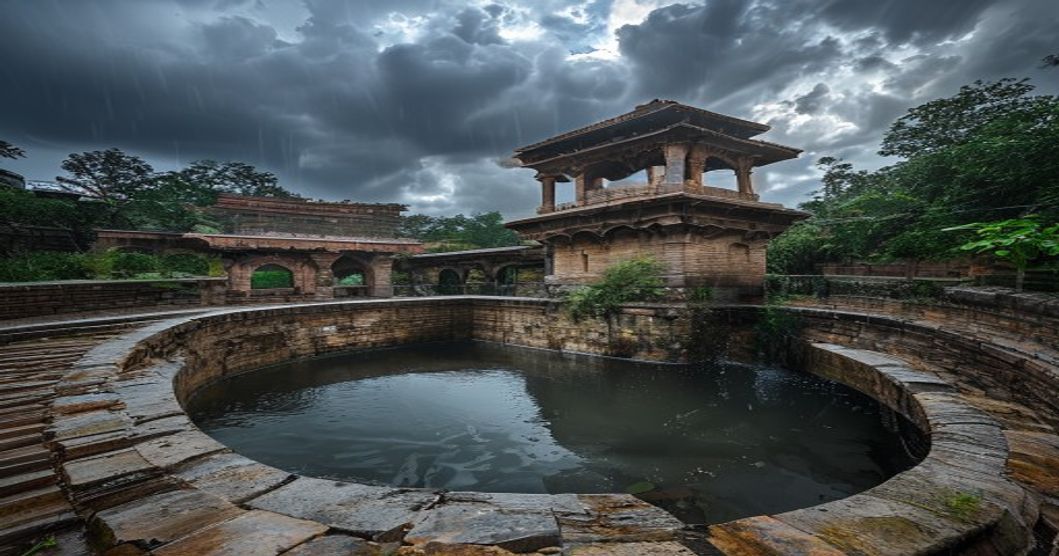
Take, for instance, the remarkable story of Caron Rawnsley, an 80-year-old Irishman affectionately known as 'Paagal Saab' in Jodhpur. For a decade, this octogenarian has dedicated his life to restoring the city's forgotten bawris and jhalaras – the intricate stepwells and traditional reservoirs that once formed the lifeblood of arid Rajasthan. His obsession, born from an admiration for India's architectural treasures, has transcended mere preservation; it's a living testament to sustainable water management. Rawnsley's tireless efforts, recently lauded by industrialist Anand Mahindra, underscore a critical truth: these ancient structures are not just historical relics.
They are sophisticated engineering marvels designed to capture, store, and replenish groundwater. By desilting, repairing, and revitalizing these bawris, Paagal Saab and his team are not only preserving heritage but also restoring vital water sources for the community, demonstrating the enduring wisdom embedded in India's past. Further south, in Puducherry, the spirit of traditional water body revival is equally vibrant. On July 3, 2026, Union Finance Minister Smt.
Nirmala Sitharaman inaugurated the restored Muzhiyan Kulam in Pooranankuppam village. This project, a collaborative effort by Lumina Datamatics, Dhanasundarambal Charitable Society, local community stakeholders, and public representatives, exemplifies the power of collective action. By reviving this traditional water body, the initiative aims to strengthen water conservation efforts in the region, ensuring that local communities have access to clean, perennial water sources, and that the ecological balance of the area is restored. These initiatives are more than just restoration projects; they are a reawakening.
They remind us that our ancestors understood the rhythm of the land and the preciousness of water. Their legacy offers invaluable lessons in resilience and sustainable living, lessons that are more relevant than ever today. ## Modern Solutions for a Thirsty Nation: The Rainwater Revolution While traditional wisdom provides a robust foundation, modern innovation is equally crucial in addressing India's contemporary water crisis. One of the most promising avenues is rainwater harvesting (RWH), a practice that is gaining significant traction, often spurred by progressive policy.
Indore, consistently ranked India's cleanest city, is now leading the charge in water conservation through a smart incentive program. Mayor Pushyamitra Bhargav recently announced a 10% property tax rebate for homeowners who install and maintain functional rainwater harvesting systems. This initiative is a game-changer. It transforms water conservation from an environmental ideal into a tangible financial benefit, encouraging widespread adoption.
The rebate, contingent on inspection and certification by the Municipal Corporation, ensures accountability and sustained operation, making it a win-win for both residents and the environment. By directly incentivizing groundwater recharge, Indore is setting a powerful precedent for urban water management. Complementing these policy efforts are technological advancements. Companies like InRain® Construction Pvt.
Ltd. are at the forefront, offering advanced modular rainwater harvesting systems. Recognizing that declining groundwater levels and urbanization demand smarter solutions, InRain® provides innovative technology that enhances groundwater recharge and significantly reduces urban runoff. Their modular systems are designed for efficiency, scalability, and ease of installation, making them suitable for a wide range of applications – from residential communities and institutions to industries and commercial complexes.
These next-generation RWH systems are critical. They capture precious monsoon rainwater that would otherwise go to waste, diverting it to replenish aquifers or for direct use. This not only mitigates water scarcity but also helps manage urban flooding, a recurring problem during heavy downpours. The synergy between government incentives and private sector innovation is creating a powerful ecosystem for water security, transforming how India manages its urban water cycle.
## Why Every Drop Counts: Beyond the Monsoon Season The combined efforts – from the painstaking restoration of ancient stepwells to the widespread adoption of modern rainwater harvesting – are not merely stop-gap measures. They are foundational pillars for India's long-term water resilience. In an era of unpredictable monsoons and increasing climate variability, every drop conserved, every aquifer recharged, and every traditional water body revived contributes to a larger vision of sustainable development. These initiatives offer multiple benefits: enhanced groundwater levels reduce reliance on external water sources and mitigate the risk of borewell depletion.
Reduced runoff prevents urban flooding, protecting infrastructure and lives. Improved water quality, often a byproduct of cleaner water bodies, benefits public health. Furthermore, a decentralized approach to water management empowers local communities, fostering a sense of ownership and collective responsibility. Water conservation is no longer an option; it is an imperative.
It underpins food security, energy production, public health, and economic stability. By embracing both the wisdom of the past and the ingenuity of the present, India is charting a course towards a future where water scarcity is not a destiny but a challenge overcome through collective will and smart action. ## Our Collective Responsibility: Becoming Water Warriors The stories of Paagal Saab, Indore's progressive policies, Lumina Datamatics' community partnerships, and InRain® Construction's technological prowess are not isolated incidents. They are beacons, illuminating the path forward.
As "Environment Warrior," we believe that every individual has a role to play in this critical mission. What can you do? Start by evaluating your own water footprint. Consider installing a rainwater harvesting system at home or in your community – even a small one can make a difference.
Advocate for similar policy incentives in your city. Support organizations and individuals dedicated to restoring traditional water bodies. Educate yourself and others about the importance of water conservation. Policymakers must continue to prioritize water security, investing in infrastructure, incentivizing sustainable practices, and enforcing regulations to protect water sources.
Corporations have a responsibility to adopt water-efficient technologies and support community-led conservation efforts. And, most importantly, we, the citizens, must become vigilant guardians of our water. As the IMD warns of a challenging monsoon season, the urgency of this mission has never been clearer. But the collective spirit of innovation, tradition, and community action offers immense hope.
By working together, we can ensure that India, a land blessed with ancient wisdom and modern dynamism, secures a water-abundant future for generations to come. Let us all become Environment Warriors in this vital battle for every drop.