Climate Change
India's Urban Dust Veil: Concrete Dreams, Respiratory Nightmares
As India builds its future, rampant construction dust chokes its cities, silently impacting millions and straining public health systems.
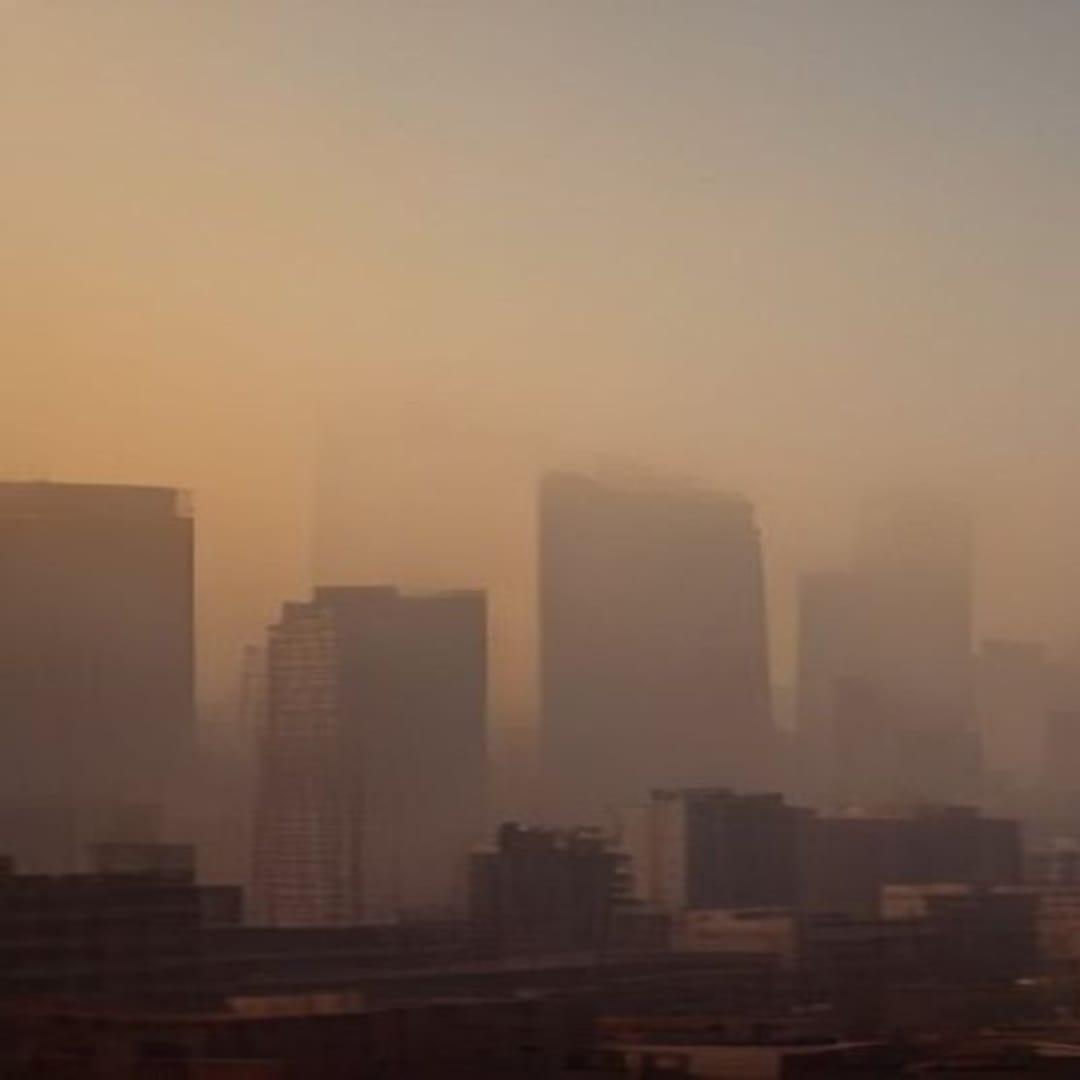
# India's Urban Dust Veil: Concrete Dreams, Respiratory Nightmares **27 September 2026** The rhythmic clang of hammers, the insistent growl of excavators, and the ceaseless, high-pitched whine of concrete mixers – these are the defining sounds of modern India. From the soaring towers of Gurugram to the sprawling metro lines of Bengaluru, our nation is a crucible of construction, a testament to unprecedented growth and ambition. Yet, beneath this symphony of progress lies an insidious reality: a persistent, often invisible, veil of dust that is slowly but surely choking our cities and poisoning our future. While headlines frequently spotlight vehicular emissions or stubble burning as primary drivers of India's alarming air pollution crisis, the pervasive menace of construction and demolition (C&D) dust often operates in the shadows.
It’s a silent byproduct of our booming infrastructure, an unavoidable consequence of building the India of tomorrow, yet its health and environmental impacts are anything but silent. As an expert environmental journalist for "Environment Warrior," I find it imperative to pull back this dusty curtain and expose the true cost of unchecked development. ## The Invisible Menace: What Lurks in the Dust? Construction dust isn't just dirt kicked up by activity; it's a complex cocktail of particulate matter (PM10 and the more dangerous PM2.
5), silica, heavy metals like lead and cadmium, asbestos fibers, cement particles, and volatile organic compounds. These microscopic assassins, too small to be seen individually, bypass our body's natural defenses, lodging deep within the lungs and even entering the bloodstream. The health ramifications are terrifyingly broad and long-term: * **Respiratory Illnesses:** Chronic bronchitis, asthma exacerbation, silicosis (a debilitating and often fatal lung disease caused by inhaling crystalline silica), chronic obstructive pulmonary disease (COPD), and increased susceptibility to respiratory infections. * **Cardiovascular Disease:** PM2.
5 particles can trigger inflammation and oxidative stress, leading to heart attacks, strokes, and irregular heart rhythms. * **Neurological Impacts:** Emerging research, particularly from studies in heavily polluted urban areas, suggests a link between long-term exposure to fine particulate matter and cognitive decline, Alzheimer's, and Parkinson's disease. * **Cancer:** Certain components of construction dust, like asbestos and crystalline silica, are known carcinogens. * **Ocular and Dermatological Issues:** Irritation, allergies, and infections of the eyes and skin are common among those living and working near construction sites.
For the millions of construction workers, many of whom are migrants with limited access to healthcare, the exposure is direct, prolonged, and often without adequate protection. They are the frontline warriors of our nation's development, yet they bear the heaviest burden of its environmental cost, facing a significantly higher risk of occupational diseases and premature mortality. ## India's Building Boom, India's Dust Doom India's urban centers are undergoing a metamorphosis. The government's ambitious Smart Cities Mission, coupled with massive private investments in residential and commercial complexes, has transformed skylines across the country.
This rapid expansion, while vital for economic growth, has inadvertently created an unprecedented challenge in dust management. Cities like **Gurugram**, a bustling financial and technological hub in Haryana, stand as stark examples. With countless high-rises, commercial parks, and new expressways perpetually under construction, Gurugram often finds itself shrouded in a perpetual haze, especially during the dry months. A 2024 report by the Centre for Science and Environment (CSE) highlighted that C&D waste contributed up to **25% of the total PM2.
5 load** in many North Indian cities during peak pollution periods – a figure that underscores the sheer scale of the problem and its direct contribution to the critical AQI levels we routinely witness. Similarly, in **Bengaluru**, the Silicon Valley of India, infrastructural projects like the suburban rail, metro expansion, and numerous flyovers run concurrently, ensuring that a significant portion of the city is a permanent construction zone. Residents frequently report respiratory issues, and local health advisories often point to construction dust as a major culprit. The sheer volume of C&D waste generated annually is staggering, estimated to be over 500 million tonnes by 2025.
This waste, comprising concrete, bricks, soil, metal, and wood, often ends up in open dumps, contributing to further dust pollution when dry, and leachate when wet, contaminating soil and groundwater. ## Regulatory Gaps and Enforcement Failures India is not entirely devoid of regulations concerning construction dust. The **Central Pollution Control Board (CPCB)**, under the Environment (Protection) Act, 1986, formulated the Construction and Demolition Waste Management Rules in 2016, with subsequent guidelines and amendments. These rules mandate various measures, including: * Compulsory use of green nets/tarpaulins to cover construction sites and debris.
* Regular water sprinkling to suppress dust at demolition sites and during material handling. * Paving of roads leading to and from construction sites and mandatory wheel washing for vehicles exiting sites. * Proper storage of construction materials to prevent dust dispersion. * Recycling and reuse of C&D waste.
However, the chasm between policy formulation and on-ground implementation remains vast. Enforcement is fragmented, often falling between the cracks of municipal corporations, state pollution control boards, and urban development authorities. Penalties, though increased in recent years, are often too low to act as a significant deterrent for large developers. Monitoring mechanisms are weak, and the transient nature of many construction sites makes consistent oversight challenging.
Many sites operate with blatant disregard for these norms. We routinely see uncovered trucks ferrying sand and debris, dust billowing behind them, or construction material left exposed on pavements, becoming a public health hazard and encroaching on public spaces. The lack of accountability often stems from a combination of inadequate manpower for inspections, corruption, and a general lack of political will to prioritize environmental health over development speed. ## Beyond the Lungs: Economic and Environmental Costs The impact of construction dust extends beyond just public health.
Economically, the cost is substantial. Increased healthcare expenditure for treating dust-related illnesses, loss of productivity due to sick days, and reduced economic output from workers suffering chronic health issues represent a significant drain on national resources. Studies suggest that air pollution, of which C&D dust is a significant contributor, could shave off up to 1-2% of India's GDP annually by 2030 if unchecked. Environmentally, the open dumping of C&D waste degrades land, contaminates soil and water bodies, and disrupts local ecosystems.
The particulate matter settles on vegetation, impairing photosynthesis and overall plant health. The energy and resources expended in processing raw materials for construction, combined with the waste management challenge, create a heavy environmental footprint. ## Pathways to Clearer Skies: Building Responsibly Addressing India's urban dust veil requires a multi-pronged, systemic approach, prioritizing both stringent enforcement and innovative solutions: 1. **Empowering and Unifying Enforcement Agencies:** Streamlining the responsibilities of various government bodies and empowering them with adequate manpower, technology (like drone surveillance for large sites), and legal backing to impose and collect substantial fines.
A unified national task force, similar to those for other environmental issues, could provide focused oversight. 2. **Technological Adoption:** Mandating the use of advanced dust suppression systems (e. g.
, mist cannons, specialized vacuum cleaners) on large construction sites. Promoting pre-fabricated construction materials and modular building techniques can significantly reduce on-site waste and dust generation. 3. **Integrating Dust Control into Project Lifecycles:** Making dust management plans a mandatory component of project approval, with clear, measurable targets and real-time monitoring.
Environmental Impact Assessments (EIAs) should be rigorously applied to all substantial construction projects, regardless of size, with a focus on dust and C&D waste management. 4. **Promoting a Circular Economy for C&D Waste:** Investing in decentralized C&D waste processing facilities that can recycle materials like concrete, bricks, and asphalt into reusable aggregates. This not only reduces landfill burden but also minimizes the need for new raw material extraction, lessening dust at source.
5. **Public Awareness and Participatory Governance:** Educating citizens about the hazards of construction dust and empowering them with accessible mechanisms for reporting violations (e. g. , dedicated apps, helplines).
Public pressure can be a powerful catalyst for change. 6. **Innovation in Materials:** Encouraging research and development into dust-reducing construction materials and techniques, possibly through government incentives and grants. ## A Future Built on Clean Air As India marches confidently towards its vision of a developed nation, the health and well-being of its citizens must not be sacrificed at the altar of rapid development.
The urban dust veil is a stark reminder that progress, if not managed sustainably, can cast a long and dangerous shadow. It is 2026, and the climate crisis, coupled with critical air pollution levels, demands that we build not just roads and buildings, but also resilience, responsibility, and a breathable future. The task is immense, but the opportunity is greater. By prioritizing robust environmental governance, fostering technological innovation, and cultivating public accountability, India can construct its dreams without choking its people.
The architects of our future must also be the custodians of our air. Only then can our cities truly thrive, not just as economic powerhouses, but as healthy, livable spaces for all.