Climate Change
India's Urban Air Pollution: Economic Fallout & Policy Gaps
Beyond the health crisis, toxic air in India's cities imposes a severe economic burden, hindering productivity and national development.
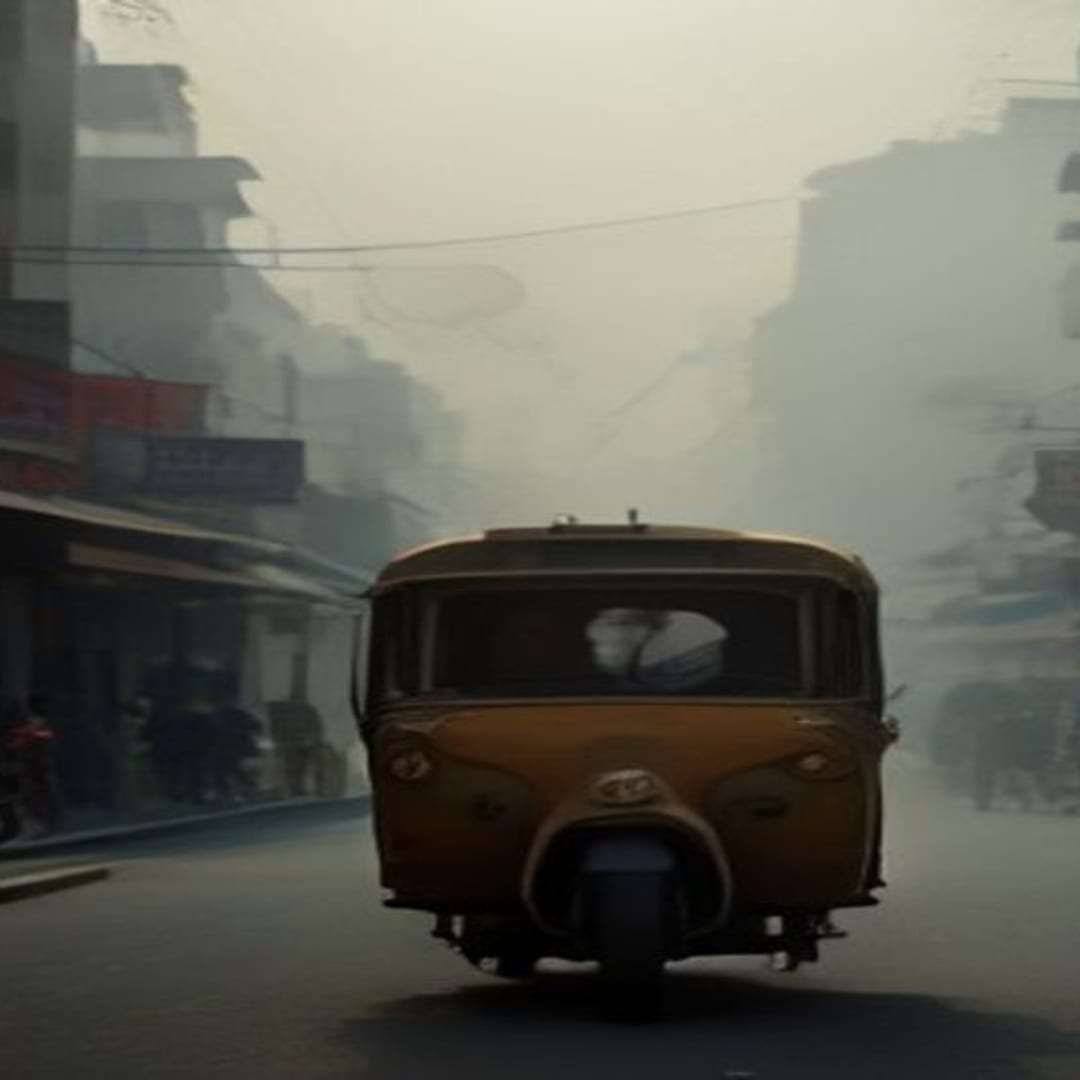
The morning commute in Delhi on August 4, 2026, is a familiar tableau of honking horns, jostling crowds, and a pervasive, acrid haze. For Ramesh, a 45-year-old auto-rickshaw driver navigating the congested arterial roads, this daily reality isn't just an inconvenience; it's a relentless assault on his health and livelihood. His persistent cough, the fatigue that saps his energy by midday, and the frequent doctor visits are all direct taxes levied by the very air he breathes. Ramesh's story is not unique; it echoes across India's bustling metropolises, where millions contend with air pollution that has reached alarming, often critical, levels.
While the human toll of India's urban air crisis – a surge in respiratory illnesses, heart conditions, and even neurological disorders – frequently dominates headlines, the economic devastation it wreaks often remains an underestimated threat. As India strives for rapid economic growth and global prominence, the invisible tax of polluted air on productivity, healthcare, and overall national development is becoming an undeniable drag on its aspirations. The latest reports from the Central Pollution Control Board (CPCB) confirm that multiple Indian cities are reporting dangerous Air Quality Index (AQI) levels, prompting health advisories and renewed, yet often unheeded, calls for stricter emission controls across industrial and transport sectors. ## The Stifling Hand: Air Pollution's Economic Grip Imagine an economy operating with a perpetual handicap.
That's the scenario unfolding in India's urban centres. The pervasive smog isn't just obscuring skylines; it's clouding cognitive function, increasing absenteeism, and diminishing the productive capacity of the workforce. Studies by various international bodies, including recent analyses by the World Bank, estimate that air pollution costs India billions of dollars annually, a figure that continues to escalate. This economic drain manifests in several critical ways: * **Reduced Labour Productivity:** Workers like Ramesh experience chronic health issues, leading to decreased physical stamina and mental acuity.
This translates into fewer hours worked, reduced efficiency, and lower output across all sectors, from manufacturing to services. * **Increased Healthcare Expenditure:** The alarming rise in pollution-related illnesses places an immense burden on India's healthcare system. Both public and private spending on treatment, medication, and doctor visits for respiratory ailments, cardiovascular diseases, and other conditions soar, diverting resources that could otherwise be invested in development. * **Loss of Human Capital:** The long-term exposure, particularly affecting children, has profound implications for future generations.
Impaired cognitive development, reduced learning capacity, and increased susceptibility to chronic diseases mean a less healthy, less educated, and ultimately less productive future workforce. * **Impact on Specific Industries:** Sectors like tourism suffer when cities are cloaked in smog. Outdoor work, particularly in construction and agriculture, becomes hazardous, leading to slowdowns and increased costs. Even technology parks in cities like Bengaluru report staff complaints about air quality affecting their well-being and concentration.
## The Primary Polluters: A Tale of Two Sectors The CPCB's comprehensive reports consistently point fingers at two dominant sources contributing to urban air pollution: the industrial and transport sectors. While other factors like construction dust, biomass burning, and waste incineration play a role, these two are the heaviest contributors in India's rapidly urbanizing landscape. **Vehicular Emissions:** India's roads are choked with an ever-increasing fleet of vehicles, many of which are old, poorly maintained, and adhere to outdated emission standards. The sheer volume of cars, two-wheelers, buses, and trucks, coupled with chronic traffic congestion, creates a noxious cocktail of particulate matter (PM2.
5 and PM10), nitrogen oxides (NOx), sulfur dioxide (SO2), and volatile organic compounds (VOCs). Despite the push for cleaner fuels and BS-VI equivalent standards, the sheer scale of the problem and the slow transition of existing fleets mean that transport remains a formidable challenge. **Industrial Emissions:** Around major urban centres, a plethora of industries – from thermal power plants to brick kilns, small and medium-sized enterprises (SMEs), and large manufacturing units – continue to release vast quantities of pollutants into the atmosphere. While regulations exist, their enforcement is often patchy.
Many industries operate with outdated technology, inadequate pollution control devices, or simply flout environmental norms due to insufficient oversight and penalties. The lack of continuous emission monitoring in many smaller units further complicates the picture. ## Policy Aspirations Versus Ground Realities: The NCAP Conundrum In 2019, India launched the ambitious National Clean Air Programme (NCAP), setting a target of 20-30% reduction in particulate matter concentrations by 2024, using 2017 as the base year, across 131 non-attainment cities. As of August 2026, while some cities have shown marginal improvements, many continue to struggle, and the overall national target appears elusive.
The NCAP, envisioned as a long-term, time-bound national strategy to tackle air pollution, faces significant hurdles in its implementation. The core issue lies in the chasm between policy formulation and on-the-ground execution. While NCAP provides a framework, its success hinges on robust action plans at the state and city levels, backed by adequate funding, stringent enforcement, and continuous monitoring. The challenges are multi-faceted: * **Fragmented Governance:** Air pollution is a cross-sectoral issue, requiring seamless coordination among various government departments – transport, industry, urban development, environment, and health.
Often, these bodies operate in silos, leading to disjointed efforts and buck-passing. * **Inadequate Funding and Technical Capacity:** Many cities and state pollution control boards lack the financial resources and technical expertise to implement advanced monitoring systems, upgrade industrial infrastructure, or enforce regulations effectively. * **Lax Enforcement:** Despite regulations, non-compliance from industries and vehicle owners remains a significant problem. Penalties are often insufficient to deter polluters, and the mechanisms for inspections and audits are often weak.
* **Data Gaps and Transparency:** While CPCB provides data, granular, real-time data at local levels is often insufficient, hindering targeted interventions and public accountability. Consider Delhi, a city frequently topping the charts for pollution. Despite the Supreme Court's directives and the implementation of measures like the Graded Response Action Plan (GRAP) which imposes emergency restrictions during severe pollution episodes, the underlying systemic issues related to vehicular emissions and surrounding industrial pollution persist. GRAP offers temporary respite but fails to address the root causes comprehensively.
## Towards a Breathable Future: Pathways for Economic Resilience The economic imperative for clean air is as strong as the public health one. Addressing urban air pollution is not merely an environmental obligation; it is a strategic investment in India's economic future and the well-being of its citizens. The path forward demands a multi-pronged, aggressive, and well-coordinated approach: 1. **Strengthening Emission Standards and Enforcement:** Implement stricter emission norms for vehicles and industries, accompanied by rigorous inspection and maintenance programs for vehicles and continuous emission monitoring for industrial units.
Penalties for non-compliance must be substantially increased and strictly enforced. 2. **Transition to Cleaner Transport:** Accelerate the adoption of electric vehicles (EVs) through incentives and charging infrastructure development. Significantly expand and modernize public transportation networks, making them efficient, affordable, and accessible to reduce reliance on private vehicles.
Promote cycling and walking infrastructure. 3. **Green Industrial Transition:** Mandate and incentivize industries to adopt cleaner production technologies, energy-efficient practices, and effective pollution control devices. Provide support for Small and Medium Enterprises (SMEs) to upgrade their systems.
4. **Integrated Urban Planning:** Incorporate air quality management into urban planning, including zoning for industrial areas, developing green corridors, and managing construction and demolition waste effectively to reduce dust pollution. 5. **Empowering Regulatory Bodies:** Bolster the financial, human, and technical capacities of the CPCB and State Pollution Control Boards.
Enhance their autonomy and ensure transparent, data-driven decision-making. 6. **Public Awareness and Participation:** Engage citizens in the fight for clean air. Educate them about sources of pollution, health impacts, and their role in adopting sustainable practices.
Citizen-led monitoring initiatives can also play a crucial role in accountability. India stands at a critical juncture. The promise of its demographic dividend and economic potential risks being suffocated by the very air its cities breathe. The economic fallout from unchecked air pollution is no longer a theoretical projection; it is a tangible reality impacting productivity, healthcare, and the overall quality of life.
By making a decisive and sustained commitment to clean air, India can not only safeguard the health of its millions but also unleash its full economic potential, ensuring a resilient and prosperous future for generations to come.