Climate Change
India's Solar Boom: Managing Future E-Waste
As India accelerates solar adoption, the hidden crisis of panel disposal demands immediate policy and infrastructure attention.
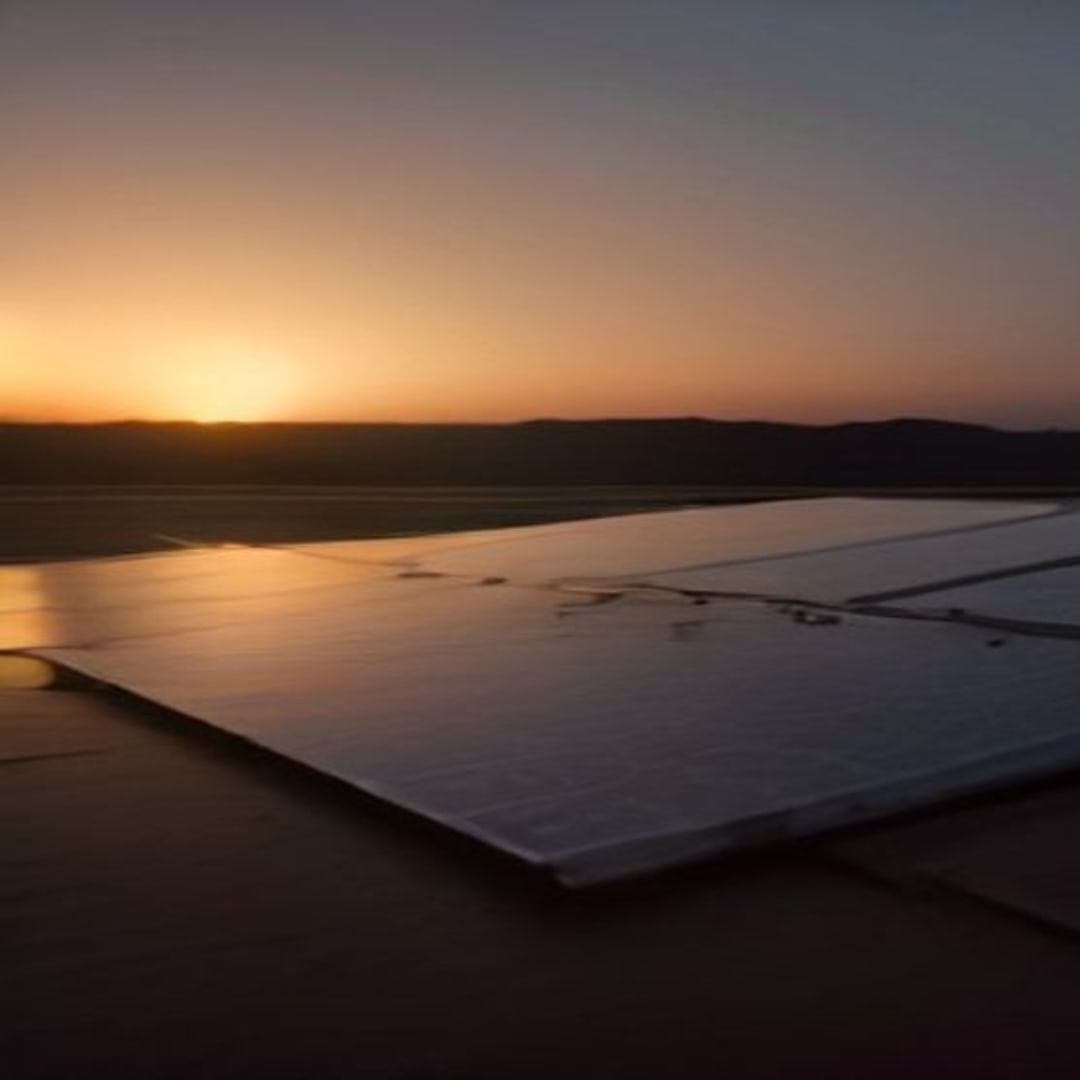
The sun shines bright on India's energy future. From the sun-drenched fields of Rajasthan to the remote hamlets of Uttar Pradesh, solar panels are transforming lives, powering homes, schools, and irrigation pumps. Today, 9 August 2026, as India celebrates its unprecedented strides in renewable energy, particularly in rural electrification, a quiet, yet formidable challenge begins to cast a long shadow: the mounting wave of solar panel e-waste. For years, “Environment Warrior” has championed India’s renewable energy revolution, highlighting projects like PM-KUSUM and the millions benefiting from clean, decentralised power.
The momentum is undeniable; solar installations in rural areas are providing clean electricity to millions previously dependent on polluting diesel generators, marking a significant leap towards energy independence and climate action. Yet, amidst this triumph, a crucial question often goes unasked: what happens when these panels reach the end of their lifespan? ## The Silent Aftermath: What Lurks in a Dead Solar Panel? Solar photovoltaic (PV) panels, the workhorses of this green revolution, typically have a lifespan of 25-30 years.
While they are celebrated for clean energy generation, their composition at end-of-life presents a complex waste management problem. Panels are a mosaic of materials: silicon, glass, aluminum, copper, and silver. Crucially, they also contain trace amounts of heavy metals like lead, cadmium, and tellurium, which, if not properly managed, can leach into soil and groundwater, posing severe environmental and health risks. India’s solar capacity has surged exponentially, making it one of the fastest-growing markets globally.
The International Renewable Energy Agency (IRENA) projects that India could generate over **1. 8 million tonnes of PV waste by 2050**, a staggering volume that requires robust foresight and immediate action. Currently, the vast majority of end-of-life panels are either landfilled or informally processed, leading to environmental contamination and the loss of valuable recoverable materials. ## A Global Lesson, an Indian Urgency Unlike traditional e-waste, solar panel recycling is a specialized and resource-intensive process.
Globally, the PV recycling industry is still nascent. Europe has implemented Extended Producer Responsibility (EPR) schemes for PV waste, mandating manufacturers to be responsible for the entire lifecycle of their products. This foresight allows for systematic collection, dismantling, and recycling. India, however, is at a critical juncture.
While our E-Waste (Management) Rules, 2022, address a broad range of electronic waste, they lack a specific, comprehensive framework tailored to the unique challenges of solar PV modules. The absence of a dedicated policy means that the responsibility for collection and recycling is fragmented and often falls through the cracks. Without clear guidelines, financial incentives, and enforcement mechanisms, the informal sector often steps in, leading to inefficient material recovery and hazardous practices that harm both workers and the environment. Consider the rapid expansion in states like Rajasthan, which boasts India's largest solar capacity.
Without proper planning, these green energy hubs could become future waste hotspots. ## Bridging the Policy Chasm: The Path to Circularity The immediate imperative for India is to develop a robust, dedicated policy framework for solar PV waste management. This framework must include: 1. **Extended Producer Responsibility (EPR):** Making manufacturers and importers financially and physically responsible for the collection and recycling of end-of-life panels.
This fosters design for recyclability and encourages investment in recycling infrastructure. 2. **Standardized Collection and Logistics:** Establishing a streamlined system for collecting defunct panels from diverse locations, including remote rural installations. This requires collaboration between state agencies, local bodies, and private recyclers.
3. **Investment in Recycling Infrastructure:** India needs advanced, large-scale recycling facilities capable of safely extracting valuable materials like silicon, silver, and copper, while responsibly managing hazardous components. Currently, such facilities are scarce. 4.
**Research and Innovation:** Supporting R&D into more efficient recycling technologies, reducing toxic materials in panel manufacturing, and exploring alternative materials that are easier to recycle or degrade safely. 5. **Awareness and Capacity Building:** Educating consumers, installers, and waste handlers about proper disposal methods and the importance of responsible recycling. Companies like Enxinergy, a Mumbai-based firm, are already exploring innovative pathways in solar panel recycling, focusing on mechanical and thermal processes to recover critical materials.
Their efforts, however, are isolated against the backdrop of a colossal and growing problem, highlighting the urgent need for systemic support. ## The Promise of a Truly Green Future India’s journey towards a sustainable energy future is commendable. The accelerated solar expansion is a testament to the nation's resolve to combat climate change and provide energy access to all. However, true sustainability demands a holistic approach, one that considers the entire lifecycle of our green technologies.
Ignoring the looming solar e-waste crisis would be a profound oversight, jeopardizing the very environmental integrity we strive to protect. As Environment Warrior, we call upon policymakers, industry leaders, and innovators to proactively address this challenge. By implementing forward-thinking policies, investing in green infrastructure, and fostering a circular economy for solar PV, India can ensure that its radiant solar revolution does not leave behind a legacy of waste. The time to act is now, to ensure that the glow of our green energy future is not dimmed by the shadow of unmanaged waste.
Let us ensure that India’s commitment to renewable energy extends beyond generation to truly sustainable end-of-life management, securing a clean planet for generations to come.