Climate Change
India's Silent Inferno: The Unseen Battle Against Extreme Heat
As global temperatures soar, India faces an unprecedented heat crisis threatening lives, livelihoods, and our very future. Are we ready?
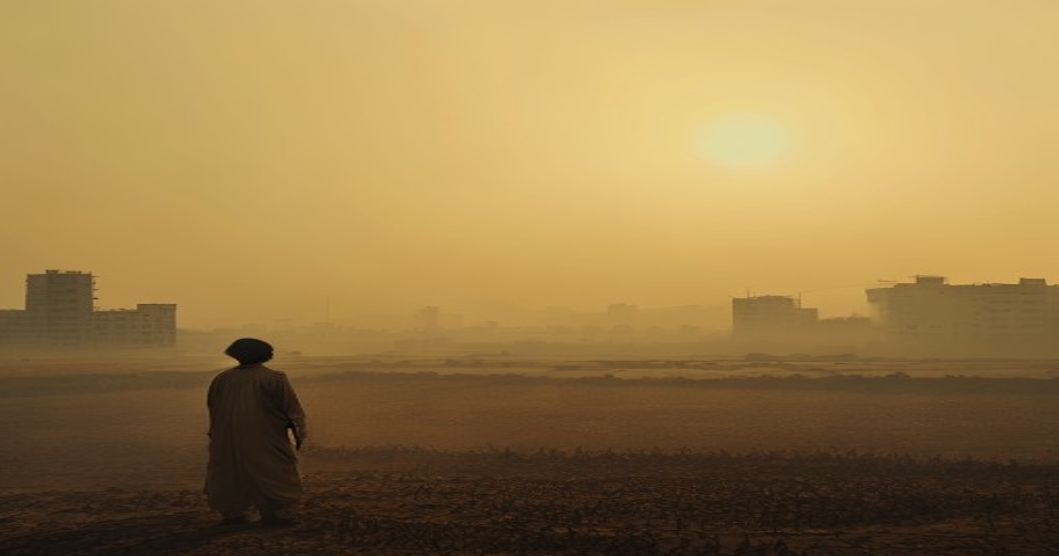
## The Crisis No One Is Talking About Imagine a world where the air itself feels like a furnace, where the sun isn't a source of life but a relentless oppressor. For millions across India, this isn't a dystopian fantasy; it's the harsh reality of an escalating crisis that often goes unacknowledged, overshadowed by more visible disasters. As of July 2026, the planet is hotter than ever, and while headlines scream about floods, droughts, and geopolitical tensions, the silent, pervasive threat of extreme heat is quietly devastating lives, livelihoods, and ecosystems. This isn't just about feeling uncomfortable.
This is about a phenomenon that kills more people globally than any other natural disaster, yet rarely commands the same urgency or media attention. It's an invisible assassin, creeping into homes, fields, and factories, slowly eroding our capacity to live, work, and thrive. From the scorching plains of Rajasthan to the humid, sweltering metropolises like Delhi and Mumbai, heatwaves are becoming longer, more intense, and more frequent. They are not merely an inconvenience; they are a fundamental challenge to India's development, public health, and environmental stability.
We are battling a silent inferno, and the stakes could not be higher. ## What Is Actually Happening The scientific consensus is unequivocal: our planet is warming at an alarming rate, primarily due to human activities. Global average temperatures have already risen by approximately 1. 2 degrees Celsius above pre-industrial levels, and this seemingly small number translates into profound, life-altering impacts on the ground.
The summer of 2026 has, once again, underscored this grim reality. Across the Northern Hemisphere, record-breaking temperatures have become a new normal. Europe has grappled with unprecedented heat domes, North America has seen swathes of its population under extreme heat alerts, and Asia, particularly South Asia, has been caught in a relentless cycle of scorching days and stifling nights. Heatwaves are no longer isolated incidents but protracted events, often lasting weeks, pushing human bodies and natural systems to their absolute limits.
We are witnessing a clear trend: not only are peak temperatures soaring higher, but the duration of these extreme heat periods is extending, offering little respite for recovery. This sustained exposure is where the real danger lies, magnifying the impact on health, agriculture, and infrastructure. Oceans, too, are absorbing much of this excess heat, leading to marine heatwaves that decimate coral reefs and disrupt vital ecosystems. The intricate web of life, from the smallest plankton to the largest mammals, is under immense pressure, signaling a profound shift in the planet's delicate balance.
## Why This Matters for India For India, a nation of over 1. 4 billion people, the global heat crisis is not an abstract concept; it is an existential threat. Our geographical location, dense population, and reliance on climate-sensitive sectors make us exceptionally vulnerable. India has consistently ranked among the countries most affected by extreme weather events, and heatwaves are at the forefront of this vulnerability.
Consider the plight of our farmers, the backbone of India's economy. Prolonged heatwaves shrivel crops, deplete groundwater, and stress livestock, leading to devastating losses and pushing already vulnerable communities deeper into poverty. The monsoon, our lifeline, is becoming increasingly erratic – either delayed or delivering torrential downpours followed by prolonged dry spells, exacerbating water stress when heat is at its peak. Our urban centers, rapidly expanding and often lacking adequate green cover, become 'urban heat islands.
' Concrete absorbs and radiates heat, turning cities into ovens where temperatures can be several degrees higher than surrounding rural areas. This disproportionately affects the urban poor, who live in informal settlements with little access to cooling and are often engaged in outdoor labor. India's energy demand for cooling skyrockets during heatwaves, straining an already overburdened grid and leading to power outages. This creates a vicious cycle: more heat necessitates more cooling, which consumes more energy, often from fossil fuels, thus contributing further to global warming.
The challenge is immense, touching every facet of Indian life. ## The Science Behind It At its core, the science is simple yet profound. Our planet has a natural greenhouse effect, where certain gases in the atmosphere trap some of the sun's energy, keeping Earth warm enough to sustain life. However, since the Industrial Revolution, human activities – primarily the burning of fossil fuels (coal, oil, gas) for energy, deforestation, and industrial processes – have dramatically increased the concentration of these greenhouse gases, particularly carbon dioxide and methane.
This surplus of gases acts like an extra-thick blanket, trapping more heat than ever before. The energy that would normally escape into space is now retained, leading to a steady rise in global temperatures. This phenomenon is what we commonly refer to as global warming or climate change. Extreme heatwaves are a direct manifestation of this warming.
As the average global temperature rises, the baseline from which daily temperatures fluctuate also increases. This means that what was once considered an unusually hot day becomes a more frequent occurrence, and what was once an extreme event becomes the new 'normal' extreme. Scientists also talk about the 'wet-bulb temperature,' a critical metric for human survival. It combines air temperature and humidity.
When the wet-bulb temperature exceeds 35°C, the human body can no longer cool itself effectively by sweating, even in the shade, leading to heatstroke and death within hours. Parts of India, particularly coastal regions with high humidity, are increasingly approaching these dangerous thresholds, posing an existential threat to outdoor workers and vulnerable populations. ## The Human Cost The human cost of extreme heat is devastating and multifaceted. The most immediate and tragic impact is the loss of life.
Heatstroke, dehydration, and the exacerbation of pre-existing conditions like cardiovascular and respiratory diseases claim thousands of lives annually in India, often disproportionately affecting the elderly, young children, and outdoor laborers. Beyond mortality, there is a profound impact on public health. Hospitals see a surge in heat-related illnesses, straining healthcare systems already struggling with limited resources. Mental health also suffers, with studies showing increased anxiety, stress, and even aggression during prolonged periods of extreme heat.
Children are particularly vulnerable. Schools are forced to close, disrupting education and denying nutritious mid-day meals. Playtime, crucial for development, becomes dangerous. For women, especially those in rural areas, fetching water from increasingly distant sources under a scorching sun adds an unbearable burden to their daily chores, impacting their health and safety.
Millions of construction workers, street vendors, farmers, and rickshaw pullers have no option but to continue working under the blazing sun, pushing their bodies to the brink. Their livelihoods depend on it, yet their health and long-term well-being are severely compromised. This isn't just a weather event; it's a human rights crisis unfolding across our nation. ## Economic Consequences The economic ramifications of extreme heat are staggering, threatening to undermine decades of developmental progress in India.
Productivity losses are immense. When temperatures soar, physical and cognitive performance declines. Research indicates that heat stress could reduce India's labor productivity by a significant percentage, potentially costing the economy billions of dollars annually. Agriculture, which employs a large segment of India's population, bears the brunt.
Crop yields of staples like wheat and rice are highly sensitive to heat stress. Scorched fields, reduced harvests, and livestock mortality lead to massive financial losses for farmers, driving rural debt and migration. Food security becomes a major concern, potentially leading to price spikes and increased malnutrition. Energy infrastructure is also severely impacted.
The demand for electricity for air conditioning and cooling appliances surges, leading to grid instability, blackouts, and increased reliance on fossil fuels. This places immense pressure on state electricity boards and diverts funds that could otherwise be used for renewable energy expansion. Furthermore, heat damages critical infrastructure, from melting roads to buckling railway tracks, requiring costly repairs and disrupting transport and supply chains. Tourism, particularly in popular destinations, can also suffer as extreme temperatures deter visitors.
The cumulative effect is a significant drag on economic growth and a perpetuator of inequality, hitting the poorest and most vulnerable the hardest. ## Global Response The global community has recognized the urgency of climate change, but action has often lagged behind ambition. The Paris Agreement, adopted in 2015, set a crucial goal: to limit global warming to well below 2°C, preferably to 1. 5°C, compared to pre-industrial levels.
However, current national pledges (Nationally Determined Contributions or NDCs) put the world on track for warming closer to 2. 5-3°C, a trajectory that spells catastrophe. International climate conferences (COPs) continue to convene, fostering dialogue and attempting to accelerate commitments, but progress remains slow. Discussions around climate finance – the provision of funds from developed to developing nations to help them mitigate and adapt to climate change – are critical but often contentious.
Developing nations like India require substantial financial and technological support to transition to a green economy and build resilience. Some positive developments include the proliferation of early warning systems for extreme weather events, which have demonstrably saved lives. International collaborations on renewable energy technologies and sustainable urban planning are also gaining momentum. Yet, the scale and speed of these efforts are still insufficient to match the accelerating pace of global warming.
The scientific community, through bodies like the Intergovernmental Panel on Climate Change (IPCC), continues to provide robust assessments, underscoring the urgency of deep and rapid emission cuts. The message is clear: the window of opportunity to avert the most catastrophic impacts is rapidly closing, demanding a united and decisive global response. ## What India Must Do India, as a rapidly developing nation with immense climate vulnerabilities and a significant carbon footprint, has a critical role to play and an urgent need to act. Our strategy must be two-pronged: aggressive mitigation of emissions and robust adaptation to the unavoidable impacts.
Firstly, **accelerate the renewable energy transition. ** India has made commendable strides in solar and wind power, but the pace must quicken. Phasing out coal-fired power plants, investing heavily in grid modernization, and promoting energy efficiency across all sectors are paramount. This isn't just environmental responsibility; it's economic opportunity and energy security.
Secondly, **implement comprehensive heat action plans. ** Building on existing initiatives, these plans must be localized, community-driven, and include early warning systems, designated cooling centers, public awareness campaigns on heat stress, and water access points during peak heat hours. The focus must be on protecting the most vulnerable populations. Thirdly, **reimagine our urban spaces.
** Green infrastructure – planting trees, developing urban forests, promoting green roofs and cool pavements – can significantly reduce urban heat island effects. Sustainable urban planning must prioritize public transport, cycling, and pedestrian-friendly zones, reducing reliance on private vehicles that contribute to both heat and pollution. Fourthly, **enhance water security and agricultural resilience. ** Implementing rainwater harvesting, rejuvenating traditional water bodies, and promoting water-efficient irrigation techniques are crucial.
Farmers need access to heat-tolerant crop varieties, climate-resilient agricultural practices, and insurance schemes to buffer against losses. Investment in research and development for these solutions is vital. Finally, **integrate climate resilience into all development planning. ** Every new infrastructure project, every policy decision, must consider its climate impact and vulnerability.
This requires cross-sectoral collaboration, robust data collection, and continuous public engagement. India's future prosperity hinges on its ability to adapt and innovate in the face of this warming world. ## How You Can Make a Difference While the scale of the challenge can feel overwhelming, individual actions, when multiplied across a nation, create powerful ripples of change. You, as an educated Indian concerned about the environment, have a crucial role to play in building a more resilient future.
**Conserve Energy:** Simple acts like switching off lights and fans when not in use, using energy-efficient appliances, and reducing air conditioner usage can collectively lower demand on the grid, especially during peak heat. Consider investing in solar water heaters or rooftop solar panels if feasible. **Save Water:** Be mindful of your water consumption. Fix leaky taps, take shorter showers, and practice responsible gardening.
Support initiatives that rejuvenate local water bodies and promote sustainable water management in your community. **Embrace Greenery:** Plant trees in your locality, participate in urban gardening initiatives, or simply keep potted plants in your home. Every bit of green space helps absorb carbon dioxide, provides shade, and cools the immediate environment. **Reduce Waste:** Minimize your consumption, reuse items, and recycle diligently.
The production and disposal of goods consume vast amounts of energy and resources, contributing to emissions. **Advocate and Educate:** Talk to your friends, family, and community about the impacts of climate change and the importance of action. Support local environmental groups and hold your elected representatives accountable for climate-friendly policies. Your voice has power.
**Support Sustainable Choices:** Opt for locally produced goods, reduce meat consumption, and choose public transport or active travel (walking, cycling) whenever possible. Small shifts in lifestyle can collectively drive demand for more sustainable practices and products. Remember, personal responsibility is not a substitute for systemic change, but it is a vital catalyst. Your choices send a clear signal, contributing to a collective consciousness that demands urgent and effective action from all levels of society.
## The Road Ahead The road ahead is undoubtedly challenging, fraught with complexities and difficult decisions. The silent inferno of extreme heat is a stark reminder of the profound consequences of our collective actions, or inactions, over decades. Yet, within this crisis lies an undeniable opportunity: to forge a path towards a more sustainable, equitable, and resilient India. We have the scientific knowledge, the technological innovations, and the human ingenuity to confront this challenge head-on.
What is required now is unwavering political will, bold policy choices, and a collective commitment from every citizen. India's journey towards development must be inextricably linked with its commitment to environmental stewardship. This isn't merely about mitigating a threat; it's about building a better future for our children and grandchildren. It's about ensuring food security, protecting public health, fostering economic stability, and preserving the rich biodiversity that makes our nation unique.
It's about demonstrating global leadership in sustainable development. The time for complacency is long past. The heat is on, and the choices we make today will determine the quality of life, and indeed the very survival, of generations to come. Let us choose wisely, let us act decisively, and let us emerge from this silent inferno stronger, greener, and more resilient than ever before.
The future of India, and indeed the planet, depends on it.