Sustainable Energy
India's Green Surge: Renewables Powering a Self-Reliant Future
From record solar and wind growth to domestic solar glass production, India's energy transition accelerates, showcasing global leadership.
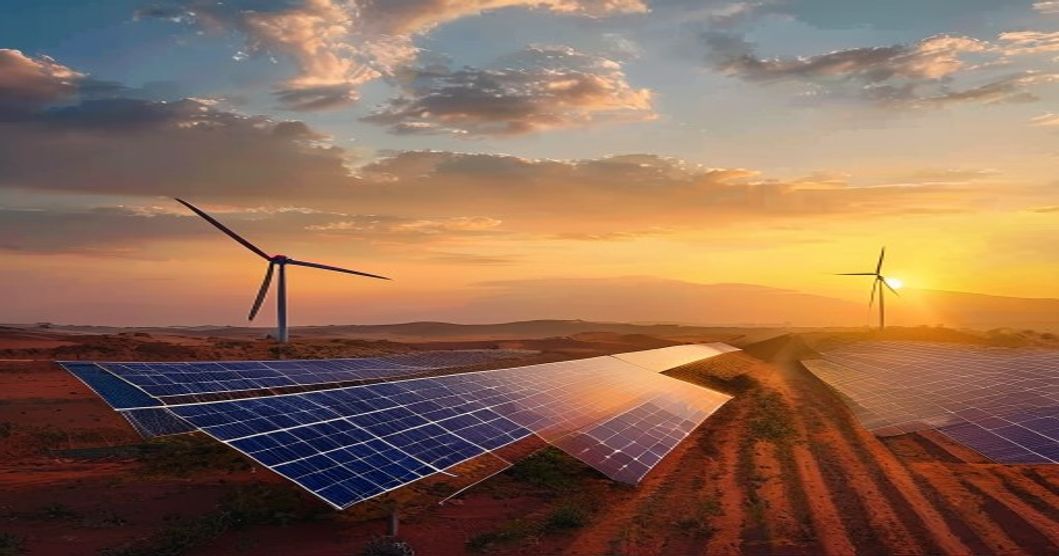
## India's Green Surge: Powering a Self-Reliant, Sustainable Future As of July 28, 2026, India stands at a pivotal juncture in its energy evolution. The nation, often perceived as a significant coal consumer, is rapidly transforming its energy landscape, demonstrating an unprecedented commitment to renewable sources. Recent developments paint a vivid picture of a country not just embracing but accelerating its green transition, setting ambitious benchmarks for the world. The narrative is clear: India is not merely adopting renewable energy; it's building a robust, self-reliant ecosystem around it.
From record-breaking growth in solar and wind generation to the establishment of critical domestic manufacturing capabilities, and strategic investments from both public and private sectors, the momentum is undeniable. This isn't just about meeting energy demands; it's about securing a sustainable future, fostering economic independence, and leading the global charge against climate change. ## The IEA Report: A Testament to India's Renewable Might The International Energy Agency (IEA) recently delivered a resounding affirmation of India's progress, reporting a staggering increase of over 25 per cent in the nation's solar and wind electricity generation during the first half of 2026. This remarkable surge has elevated renewables' contribution to India's power supply mix to 16.
5 per cent, up from 14 per cent just a year prior. This isn't just a statistic; it's a testament to the sheer scale and speed of India's energy transition. Globally, the IEA highlights that renewable energy sources have now surpassed coal in terms of electricity generation. India's substantial contribution to this global milestone cannot be overstated.
The country's aggressive push for green energy is not only cleaning its own grid but also significantly influencing global decarbonisation efforts. This growth trajectory underscores the effectiveness of India's policy framework, its investment climate, and the rapidly expanding infrastructure dedicated to harnessing solar and wind power. The implications are profound. A cleaner energy mix translates directly into reduced carbon emissions, improved air quality, and enhanced energy security.
For a nation grappling with the dual challenges of development and environmental protection, this rapid shift towards renewables offers a viable, sustainable pathway forward. It demonstrates that economic growth and environmental stewardship are not mutually exclusive but can, in fact, be synergistic. ## Fueling Self-Reliance: The Domestic Manufacturing Revolution Beyond simply installing more solar panels and wind turbines, India is strategically building the foundational capabilities to support its renewable energy ambitions domestically. A landmark event on July 27, 2026, marked a crucial step in this direction: Emerge Renewables proudly announced the successful furnace light-up of North India's first dedicated solar glass manufacturing plant in the Keshwana Industrial Area, Kotputli-Behror, Rajasthan.
This state-of-the-art facility is more than just a factory; it's a symbol of India's "Make in India" vision for the renewable sector. Solar glass is a critical component in photovoltaic panels, and historically, India has relied heavily on imports for this essential material. The commissioning of Emerge Renewables' plant signifies a significant leap towards strengthening the domestic solar panel supply chain, reducing dependence on foreign markets, and boosting local manufacturing prowess. It's a strategic move that not only creates jobs and fosters economic development but also insulates India's renewable energy sector from global supply chain disruptions and price volatility.
The plant's establishment in Rajasthan is particularly noteworthy, given the state's immense solar energy potential. By localising the production of key components, India is not only ensuring the availability of high-quality materials but also driving down the overall cost of solar power generation. This self-reliance is crucial for sustaining the rapid pace of renewable energy deployment and solidifying India's position as a global leader in green technology. ## Diverse Investments: A Unified Push Towards Green Energy The momentum in India's renewable sector is further amplified by a wave of diverse investments, signaling a broad-based commitment from both public and private entities.
Even Coal India Ltd (CIL), the nation's dominant coal producer, is actively participating in this transition. CIL's approval of a ₹22. 2 lakh investment in the rights issue of its renewable energy joint venture, CRAUL, underscores a pragmatic shift. While the amount might seem modest in the context of CIL's vast operations, its significance lies in the intent.
With CIL retaining a 74% majority stake alongside partner RVUNL, these funds are earmarked for developing solar and wind projects in Rajasthan. This move by a traditionally coal-centric giant highlights the inevitability and economic viability of renewables, even for entities historically tied to fossil fuels. On the private sector front, companies like Waaree Renewable Technologies are driving large-scale project execution. Waaree recently secured two Letters of Award to engineer, procure, and construct ground-mounted solar power plants totaling a massive 800 MWac.
These projects, slated for completion by the 2027-28 fiscal year, will significantly boost India's overall renewable energy capacity, demonstrating the private sector's confidence and capability in deploying large-scale green infrastructure. Furthermore, the JSW Group, under the vision of Sajjan Jindal, exemplifies a balanced approach to energy transition. JSW Energy has evolved into a diversified platform encompassing thermal, hydro, solar, and wind generation. As highlighted by Bizz Impact and Times Now, JSW's strategy is not to view conventional and renewable energy as competing priorities but as complementary components of a comprehensive portfolio addressing India's current and future energy requirements.
This integrated approach ensures grid stability while progressively increasing the share of clean energy. ## Future-Proofing the Grid: The Storage Imperative The rapid integration of intermittent renewable sources like solar and wind necessitates robust energy storage solutions to ensure grid stability and reliability. Union Minister Pralhad Joshi, speaking at the Sustainability Conclave 2026 in New Delhi, emphatically underscored this critical need, stating that a strong push in battery storage is key to India's clean energy transition. Joshi highlighted that substantial investments in energy storage and renewables are projected to reduce electricity costs, making green energy not only environmentally superior but also economically competitive.
This focus on storage is a forward-looking strategy, anticipating the demands of a grid increasingly powered by renewables. Technologies like advanced battery storage systems, pumped hydro, and even next-generation solutions like hydrogen are crucial for balancing supply and demand, especially during peak hours or when solar and wind generation are low. Moreover, the mention of initiatives like hydrogen-powered trains signals India's commitment to exploring and deploying next-generation clean technologies across various sectors. This holistic approach, combining renewable generation with advanced storage and innovative applications, positions India at the forefront of global energy innovation.
## Challenges and the Road Ahead While India's renewable energy journey is undeniably impressive, challenges remain. Grid integration of large-scale intermittent renewables requires sophisticated management systems. Land acquisition for vast solar parks and wind farms, ensuring adequate financing, and developing a skilled workforce are ongoing hurdles. However, the proactive measures being taken, from policy support to technological advancements, demonstrate India's determination to overcome these obstacles.
The nation's strategic focus on domestic manufacturing, diversified investments, and advanced storage solutions provides a robust framework for sustained growth. India is not just building capacity; it's building resilience and self-sufficiency in its energy sector. ## Conclusion: India's Unstoppable Green Momentum As of this July day in 2026, India's renewable energy sector is not just expanding; it's roaring. The confluence of record generation growth, the launch of indigenous manufacturing facilities, significant investments from diverse players, and a clear governmental vision for energy storage paints a picture of unstoppable green momentum.
India is demonstrating that a rapid, large-scale transition to clean energy is not only possible but essential for economic prosperity and environmental health. The journey from a coal-dominant energy landscape to one increasingly powered by the sun and wind is a testament to India's resolve and innovation. This green revolution is not just transforming India; it's providing a powerful blueprint for other developing nations, solidifying India's role as a true 'Environment Warrior' on the global stage, championing a sustainable future for all.