Climate Change
India's Green Grid Challenge: Curtailment, El Nino & the Path Ahead
India's renewable energy surge faces grid bottlenecks and climate threats. Can accelerated transmission and storage secure its green future?
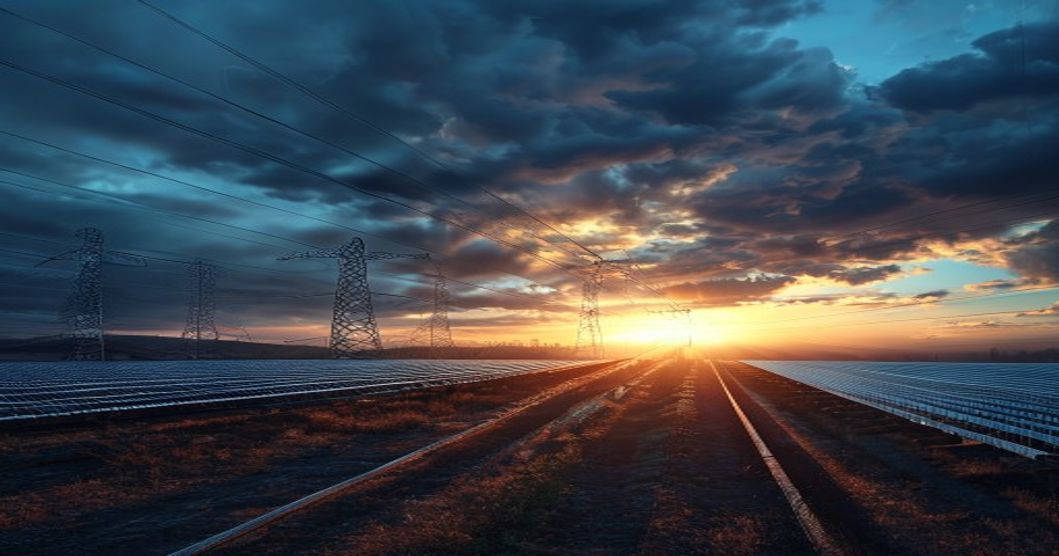
# India's Green Grid Challenge: Curtailment, El Nino & the Path Ahead **By Environment Warrior Staff** **10 July 2026** India's renewable energy sector is a beacon of hope in the global fight against climate change, characterized by ambitious targets and impressive growth. From the deserts of Rajasthan to the rooftops of Gujarat, the nation is rapidly adding clean power capacity, signaling a firm commitment to a greener future. Yet, beneath this inspiring narrative of progress, a complex web of challenges is emerging – one that threatens to curtail the very energy it seeks to generate and expose the grid to the vagaries of a changing climate. As an expert environmental journalist for "Environment Warrior," India's top environmental platform, it's crucial we dissect these challenges and champion the urgent solutions needed to safeguard our energy transition.
## The Bright Spots: India's Renewable Ascendancy The figures speak volumes. Gujarat, for instance, has emerged as a powerhouse, contributing a remarkable 18% of India's total renewable energy capacity. Its leadership in both wind and rooftop solar installations is not just a state-level achievement but a national benchmark, demonstrating what focused policy and investment can accomplish. This success story is echoed across the country with significant new projects and strategic partnerships continually coming online.
Just recently, NHPC celebrated the opening of its 300 MW solar plant in Rajasthan, a substantial boost to the national grid. Similarly, Serentica Renewables inked a crucial power purchase agreement (PPA) with the Solar Energy Corporation of India (SECI) for the supply of electricity from a 600 MW Firm and Dispatchable Renewable Energy (FDRE) project. These FDRE projects are vital, as they promise not just clean energy, but reliable, on-demand power, addressing a key limitation of intermittent renewables. Financial backing continues to flow into the sector, with Sunsure Energy securing Rs 262 crore in project financing from Dutch development bank FMO and Axis Bank for its 75 MWp open-access solar project in Tamil Nadu.
This signals growing international confidence and the increasing viability of renewable energy ventures. Even states grappling with specific energy demands are finding innovative solutions. Kerala, for instance, has secured a deal with SECI to tackle its peak-hour demand, receiving power at an impressively low tariff of ₹2. 93 per unit.
Such strategic agreements are critical for ensuring energy security while keeping costs down for consumers. These developments paint a picture of a nation charging ahead, seemingly unstoppable in its pursuit of clean energy. ## The Grid's Gordian Knot: Curtailment Crisis However, this rapid ascent is not without its stumbling blocks. An alarming report from ICRA estimates that approximately one-third of India's recently commissioned renewable energy capacity is facing grid curtailment.
Curtailment, in simple terms, means that clean energy generated by solar or wind farms cannot be injected into the grid because the transmission infrastructure is either insufficient, congested, or simply not ready to handle the influx. It's like having a super-efficient car but no roads to drive it on at full speed. The primary culprit? Delays in transmission infrastructure expansion.
While renewable energy projects are being built at a blistering pace, the critical wires and substations needed to carry that power from generation sites to consumption centers are lagging. The highest curtailment, predictably, occurs during peak solar generation hours – when the sun is brightest and panels are most productive. This is an enormous waste of clean energy, undermining the very purpose of these investments. It translates to lost revenue for developers, increased financial risk, and, critically, a slowdown in further renewable energy additions as investors become wary of projects that cannot fully monetize their output.
The promise of a green future dims slightly when a third of its potential is left untapped due to infrastructure bottlenecks. ## El Niño's Shadow: A Looming Climate Threat Compounding these domestic infrastructure challenges is a formidable external threat: the impending impact of El Niño. A recent analysis by the Centre for Research on Energy and Clean Air (CREA) delivers a stark warning: India's energy system faces a more significant El Niño impact than almost anywhere else in the world. The report predicts a dual blow: reduced renewable power generation due to altered weather patterns (e.
g. , lower wind speeds, changed monsoon patterns affecting hydro, or increased cloud cover) and a surge in electricity demand, primarily for air conditioning, as temperatures soar. The CREA analysis forecasts a potential 18 TWh generation gap, a deficit so substantial that it is likely to trigger a surge in coal-fired power generation. This would not only negate much of the progress made in emissions reduction but also lead to a significant increase in CO2 emissions, pushing India further away from its climate goals.
This scenario underscores the fragility of a grid heavily reliant on intermittent sources without adequate backup or storage, especially when confronted with extreme weather events. ## Intertwined Challenges: A Perfect Storm The interplay between these two issues – grid curtailment and El Niño's impact – creates a perfect storm. A grid already struggling to integrate existing renewable capacity due to transmission delays will be even less prepared to handle the dual shock of reduced renewable output and heightened demand during an El Niño year. The risk of blackouts, increased reliance on polluting fossil fuels, and economic instability becomes very real.
This isn't just an energy problem; it's a climate resilience problem, a public health problem, and an economic development problem. ## Forging a Resilient Future: Solutions and Strategies The path forward, while challenging, is clear. India must move swiftly and decisively to overcome these hurdles and solidify its position as a global leader in sustainable energy. 1.
**Accelerated Transmission Infrastructure:** This is paramount. Policymakers must prioritize and fast-track the development of new inter-state transmission corridors, green energy corridors, and intra-state transmission networks. Streamlining land acquisition, environmental clearances, and project execution timelines is critical. Innovative financing models and public-private partnerships can help accelerate these vital projects.
2. **Robust Energy Storage Solutions:** Battery Energy Storage Systems (BESS) are no longer a luxury but a necessity. Projects like Serentica's FDRE are a step in the right direction, but much more is needed. BESS can store surplus renewable energy during peak generation hours (when curtailment is highest) and dispatch it during peak demand or when renewable generation dips (precisely what Kerala is aiming for with its SECI deal to tackle peak-hour demand).
Incentives for battery manufacturing and deployment, along with policy frameworks that recognize the value of storage, are crucial. 3. **Smart Grid Technologies and Modernization:** Investing in smart grid technologies, including advanced forecasting, demand-side management, and AI-driven grid balancing systems, can significantly improve grid efficiency and stability. These technologies enable better prediction of renewable output and demand, allowing grid operators to optimize power flow and minimize curtailment.
4. **Policy and Regulatory Reforms:** The regulatory environment must evolve to support these solutions. This includes clear frameworks for grid access, fair tariffs for storage, and mechanisms to compensate for grid services provided by renewables and storage. Inter-state transmission charge waivers, as seen in some clean energy tenders, are positive steps.
5. **Decentralized Energy Systems:** Promoting microgrids and rooftop solar with integrated storage can enhance local resilience, reduce transmission losses, and provide power security, especially in remote or vulnerable areas. ## The Warrior's Call India stands at a pivotal juncture in its energy transition. The nation has demonstrated an unparalleled drive to embrace renewable energy, but the lurking threats of infrastructure bottlenecks and climate vulnerabilities cannot be ignored.
Overcoming these challenges is not merely about meeting energy targets; it's about securing a stable, sustainable, and resilient future for its 1. 4 billion people. As Environment Warriors, we must advocate relentlessly for accelerated action – for smarter grids, for more batteries, and for policies that ensure every unit of clean energy generated can reach its destination. The opportunity is immense, and with concerted effort, India can not only mitigate these risks but also emerge as a global leader in building truly climate-resilient energy systems.
The time for decisive action is now. Our planet, and our future, depend on it.