Sustainable Transportation
India's Fuel Shift: Alt-Fuels Surge, EV R&D Navigates New Roads
July 2026 data shows India's diverse fuel shift: alt-fuels surge, yet EV innovation grapples with market realities and competition.
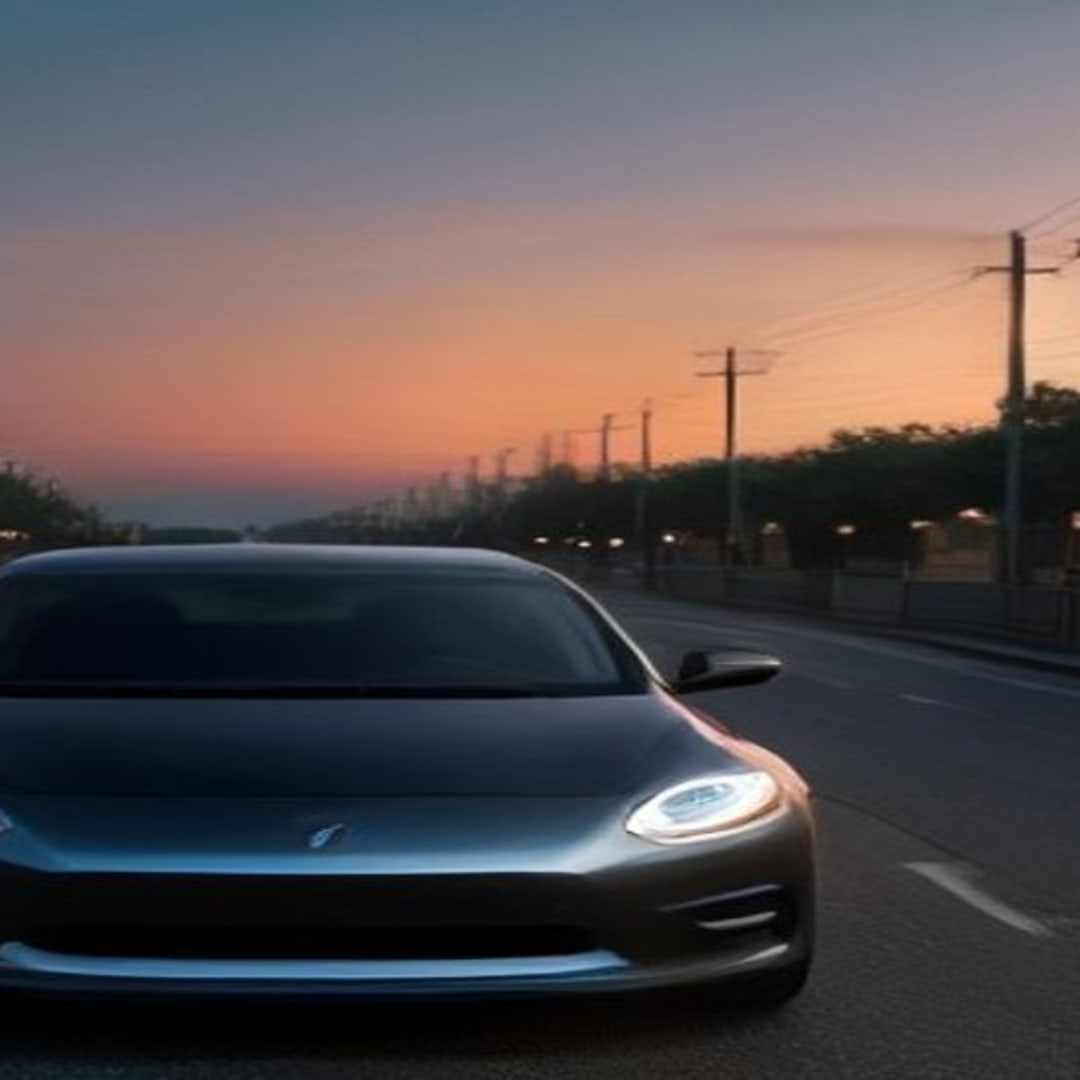
The roar of a conventional engine, a sound synonymous with India's bustling roads for decades, is slowly but surely being joined by a new symphony – the quiet hum of electric motors, the efficient purr of hybrids, and the steady thrum of CNG vehicles. Today, 7 August 2026, marks a pivotal moment in this evolving narrative. Recent retail data from the Federation of Automobile Dealers Associations (FADA) for July 2026 confirms what many environmentalists and industry watchers have anticipated: alternative fuels are now within striking distance of petrol in India's passenger vehicle market. This isn't merely a statistic; it's a testament to a nation's accelerating journey towards sustainable mobility, driven by a blend of economic imperatives, environmental consciousness, and technological innovation.
However, beneath the surface of this promising shift lies a nuanced landscape, particularly concerning the trajectory of Battery Electric Vehicles (BEVs) and the strategic choices facing India's automotive Original Equipment Manufacturers (OEMs). ## The July 2026 Snapshot: A Diverse Fuel Tapestry FADA's July 2026 retail data paints a vivid picture of India's changing fuel preferences. While petrol still holds the largest individual share, the collective might of alternative fuels – a category encompassing Compressed Natural Gas (CNG), hybrids, and electric vehicles – has significantly narrowed the gap. Leading this charge in the alternative segment is CNG, a cleaner-burning fossil fuel that has long offered a cost-effective alternative to petrol and diesel.
Following closely are hybrid vehicles, offering a bridge technology that combines internal combustion engines with electric propulsion, and then, the rapidly expanding electric vehicle segment. This broad-based adoption of alternative fuels underscores a pragmatic approach by Indian consumers and policymakers alike. CNG offers immediate cost savings and reduced emissions, making it an attractive option for high-mileage users and fleet operators. Hybrids provide fuel efficiency and lower emissions without the range anxiety associated with pure EVs, proving popular in urban commutes and longer journeys.
And then, there are BEVs, the ultimate goal for many environmental advocates, promising zero tailpipe emissions and a radical departure from fossil fuels. For Environment Warrior, this data is more than just market share; it's a critical indicator of India's commitment to decarbonizing its transportation sector, a vital component in the fight against air pollution and climate change. ## The EV Paradox: Slower Adoption Meets Long-Term Optimism While the overall alternative fuel segment surges, the narrative for pure Battery Electric Vehicles (BEVs) presents a more complex picture. A recent report from Kotak highlights a crucial challenge: 'Automotive OEMs are prioritizing investments in existing platforms and models to counter increased competitive intensity from Chinese OEMs amid a more gradual increase in BEV sales mix.
' This insight reveals a strategic recalibration by Indian automakers. The perceived 'slower EV adoption' isn't necessarily a halt, but perhaps a moderation of earlier, more aggressive growth projections, especially for pure BEVs. Several factors contribute to this. The upfront cost of BEVs remains higher than their petrol or even hybrid counterparts, making them a premium purchase for many Indian consumers.
Charging infrastructure, while rapidly expanding, is still a concern in many regions, particularly for inter-city travel. Furthermore, the burgeoning presence of Chinese OEMs, known for their aggressive pricing and rapid product cycles, is forcing Indian manufacturers to re-evaluate their R&D spending, diverting resources towards strengthening existing, proven platforms that can compete immediately. This isn't to say the long-term vision for EVs is dim. Far from it.
Projections indicate India’s EV sales are likely to grow a remarkable 55% annually through 2034. This astounding long-term growth forecast suggests that despite current headwinds, the fundamental shift towards electric mobility is irreversible. It merely indicates that the path will be more winding, influenced by market realities, consumer preferences, and intense global competition. ## Supply Chain Adaptation: Dhoot Transmission's Electric Bet Amidst this dynamic environment, auto component manufacturers are strategically positioning themselves for the future.
Bain Capital-backed Dhoot Transmission, an IPO-bound company, exemplifies this forward-thinking approach. The company expects India's shift to electric vehicles to be its biggest growth driver. Nitin Kalani, CFO of Dhoot Transmission, outlined their strategy: expanding their EV-focused product portfolio and forging partnerships with automakers. Traditionally a supplier of wiring harnesses – a critical component in all vehicles – Dhoot Transmission is now diversifying into specialized EV components.
This includes battery assemblies, onboard chargers, DC-DC converters, and charging guns. This strategic pivot highlights the ripple effect of the EV transition throughout the automotive supply chain. For every electric vehicle on the road, there’s a complex ecosystem of suppliers adapting, innovating, and investing in new technologies. This creates jobs, fosters local manufacturing capabilities, and strengthens India's self-reliance in the burgeoning EV sector.
Dhoot Transmission's move underscores that even if the pace of BEV adoption isn't as meteoric as initially hoped in the short term, the underlying market forces and long-term projections are compelling enough for significant investment and strategic repositioning across the industry. ## Luxury Segment Joins the Charge: Audi's Six-Car Offensive The shift to electric and alternative fuels isn't confined to the mass market. The luxury segment is also embracing this transformation with vigor. German luxury carmaker Audi AG is preparing one of its biggest product offensives in India, with plans to introduce six new vehicles, including electric models, over the next 18 months.
This move signals Audi's intent to revive sales in what it sees as one of its fastest-growing markets. Audi's strategy is significant for several reasons. Firstly, it demonstrates that even at the premium end, where performance and brand prestige are paramount, electrification is becoming a core offering. Secondly, it contributes to the development of robust charging infrastructure, as luxury brands often lead in establishing high-speed charging networks to support their premium offerings.
Lastly, the introduction of high-end EVs often acts as a halo effect, normalizing electric technology and fostering its acceptance across all vehicle segments. ## Policy Push and Future Trajectories India's journey towards a sustainable automotive future is also significantly shaped by government policies. Initiatives like the FAME (Faster Adoption and Manufacturing of Electric Vehicles) scheme have played a crucial role in subsidizing EVs and promoting charging infrastructure. State-level policies, offering additional incentives and tax breaks, further accelerate adoption.
These policy frameworks are essential in navigating the current complexities and ensuring the long-term growth trajectory projected for EVs. The FADA data for July 2026 and the various industry analyses collectively paint a picture of an automotive sector in dynamic transition. It’s a transition not solely defined by the meteoric rise of BEVs, but rather by a more distributed shift across a spectrum of alternative fuels. CNG and hybrids are serving as critical bridge technologies, enabling a cleaner transition while the ecosystem for pure EVs matures.
The challenge for India's automotive sector and policymakers will be to continue fostering this diverse shift while strategically addressing the hurdles faced by BEV adoption. This includes continued investment in charging infrastructure, incentivizing domestic battery manufacturing, and ensuring that R&D spending by OEMs can both fend off international competition and push the boundaries of electric vehicle innovation. The goal remains clear: a cleaner, more sustainable transportation future for India's rapidly growing population. As Environment Warrior, we watch this evolution with keen interest.
The roads of India are not just pathways for vehicles; they are arteries for progress, and their changing pulse tells a story of innovation, resilience, and a determined stride towards environmental stewardship.