Climate Change
India's Climate Inferno: Millions Face Unprecedented Crisis
As 2026 brings record heat and erratic weather, India confronts a climate emergency threatening health, agriculture, and livelihoods nationwide.
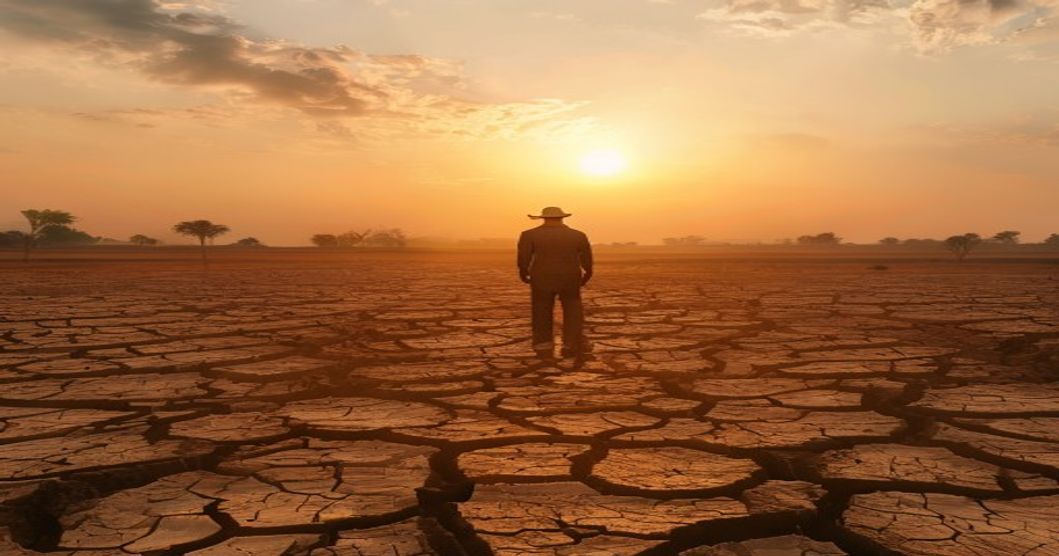
# India's Climate Inferno: A Nation on the Brink **New Delhi, India – July 7, 2026** – The air hangs heavy, not just with the monsoon's impending humidity, but with a palpable sense of dread. Across India, 2026 has unfurled as a year of unprecedented climate challenges, a stark and searing testament to the escalating crisis gripping our nation. From the scorching plains of Rajasthan to the flood-battered deltas of the East, the signs are undeniable: India is in the throes of a climate emergency, and millions are bearing the brunt. For years, scientists and environmentalists have warned of a future where extreme weather becomes the norm.
That future is now our present. Record-breaking temperatures, increasingly erratic monsoons, and a relentless barrage of extreme weather events are not just headlines; they are the lived reality for vast swathes of India's population, threatening agriculture, public health, and the very fabric of our society. ## The Relentless Grip of Heat: A Scorching Reality This year, the mercury has soared to levels previously unimaginable. Cities like Delhi, Nagpur, and Ahmedabad have repeatedly breached the 45°C mark, with some regions in Rajasthan touching an alarming 50°C.
These aren't just statistics; they represent a humanitarian crisis unfolding daily. Outdoor workers, from construction labourers to street vendors, face impossible choices between their livelihoods and their lives. Schools have been forced to close, and power grids across several states have buckled under the strain of surging demand for air conditioning and cooling. The economic cost of lost productivity, coupled with the immense pressure on healthcare systems, is astronomical.
Heatstroke advisories have become a daily ritual, yet the most vulnerable – the elderly, the poor, and those without access to adequate shelter or cooling – remain perilously exposed. Hospitals report a surge in heat-related illnesses, placing immense strain on already stretched resources. The urban heat island effect, where concrete jungles trap and amplify heat, exacerbates the crisis in our densely populated cities, turning them into veritable ovens. ## Monsoons in Chaos: The Lifeblood Turned Torment The Indian monsoon, the lifeblood of our agrarian economy, is no longer the predictable giver of life it once was.
In 2026, its behaviour has become alarmingly erratic, a cruel paradox of drought and deluge. Regions like Maharashtra and Karnataka have battled severe drought conditions, leading to widespread crop failure, acute water scarcity, and devastating impacts on farmer livelihoods. Villages reliant on rain-fed agriculture face an existential threat, pushing many deeper into debt and despair. Conversely, other states have been inundated by torrential downpours and flash floods.
Assam, Bihar, and parts of Uttar Pradesh have witnessed devastating floods, displacing hundreds of thousands, destroying homes, crops, and critical infrastructure. The sheer intensity and unpredictability of these events leave communities little time to prepare or recover. This chaotic monsoon pattern directly threatens India's food security, raising fears of inflation and widespread hunger, particularly among the rural poor. ## Extreme Weather: The New Normal Beyond the heatwaves and monsoon madness, India is experiencing an escalation in other extreme weather phenomena.
Coastal states, particularly Odisha, West Bengal, and Gujarat, have faced an increased frequency and intensity of cyclones, leaving trails of destruction and requiring massive, costly rehabilitation efforts. Unseasonal hailstorms have ravaged standing crops in central India, adding another layer of despair for farmers already reeling from other climate shocks. These events are no longer considered anomalies; they are becoming the distressing new normal. Each storm, each flood, each prolonged drought chips away at the resilience of communities, draining national resources and diverting attention from other critical developmental needs.
## The Human and Economic Toll: A Crisis of Unprecedented Scale The cumulative impact of these climate-induced disasters is staggering. The health crisis extends beyond heatstroke to an increase in vector-borne diseases as changing weather patterns create new breeding grounds for mosquitoes. Mass internal migration driven by climate stressors – people abandoning their parched lands or flood-prone villages in search of safety and livelihood – puts immense pressure on urban centres and exacerbates social inequalities. Economically, the losses run into billions of dollars annually.
Damaged infrastructure, destroyed agricultural output, increased healthcare expenditures, and the cost of disaster relief and rehabilitation are formidable burdens on the national exchequer. This diverts crucial funds from education, healthcare, and sustainable development initiatives, trapping communities in a vicious cycle of poverty and vulnerability. ## Interconnected Crises: Climate, Pollution, and the Path Forward While this article focuses on the direct impacts of climate change, it's crucial to acknowledge its interconnectedness with other environmental crises, most notably air pollution. Stagnant atmospheric conditions during prolonged heatwaves can trap pollutants, exacerbating dangerous AQI levels in our cities.
The increased demand for energy for cooling, if met by fossil fuels, further contributes to greenhouse gas emissions and air particulate matter, creating a grim feedback loop. However, amidst this alarming scenario, there are glimmers of hope and determined action. India's commitment to renewable energy, particularly solar power, is gaining significant momentum. Solar installations across rural India are providing clean, reliable electricity to millions previously dependent on polluting diesel generators, demonstrating a tangible path towards mitigation and energy independence.
This expansion is not just about reducing carbon footprint; it's about empowering communities and building resilience from the ground up. Government initiatives, both at the national and state levels, are focusing on adaptation strategies: developing drought-resistant crop varieties, investing in water harvesting and management, and implementing early warning systems for extreme weather events. There's a growing recognition of the need for climate-resilient urban planning, incorporating green spaces, cool roofs, and sustainable infrastructure to mitigate the urban heat island effect. ## A Call to Action: The Time is Now The climate crisis in India is not a distant threat; it is a present danger, reshaping our landscapes, livelihoods, and lives.
The year 2026 serves as a stark reminder that complacency is no longer an option. We, as citizens, communities, and policymakers, must act with unprecedented urgency and collective resolve. This requires a multi-pronged approach: accelerating the transition to renewable energy, implementing stricter emission controls across all sectors, investing heavily in climate adaptation and resilient infrastructure, and fostering sustainable agricultural practices. It also demands individual responsibility – reducing our carbon footprint, conserving resources, and advocating for robust environmental policies.
India, a nation on the frontline of climate change, also has the potential to be a global leader in climate action. Our future, and the well-being of millions, hinges on the choices we make today. The time for deliberation is over; the time for decisive, transformative action is now. Let us rise to this challenge, for the sake of our planet and for generations to come.