Climate Change
India's Climate Inferno: Millions Face Rising Temperatures
As 2026 unfolds, India grapples with unprecedented heat, erratic monsoons, and extreme weather, threatening its future.
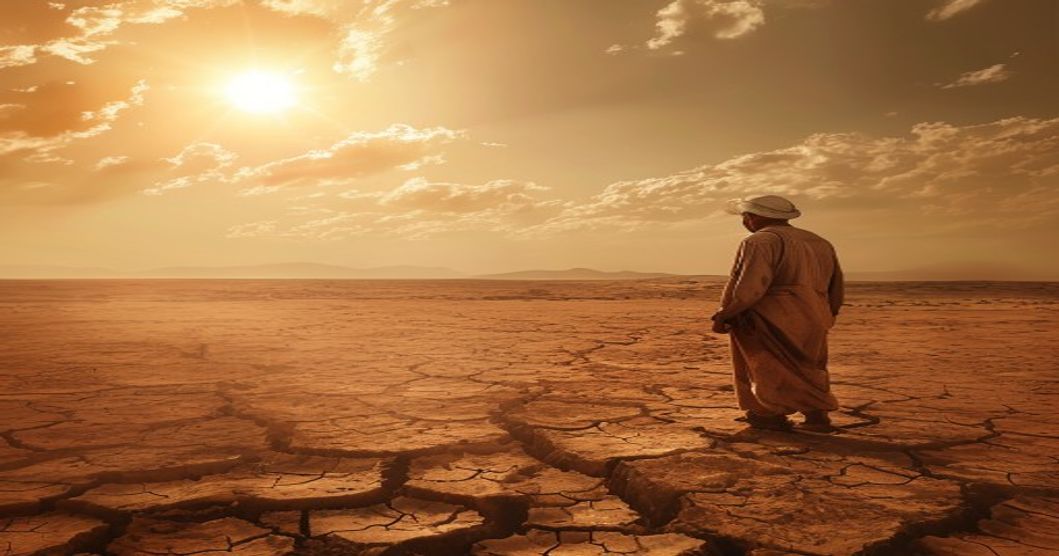
Welcome, Environment Warriors, to a critical discussion on the most pressing challenge facing India today. As of July 8, 2026, our nation stands at a perilous crossroads, battling an escalating climate crisis that is reshaping our landscapes, threatening livelihoods, and endangering millions of lives. The headlines scream of record temperatures, erratic monsoons, and a relentless barrage of extreme weather events – a stark reality that demands our immediate and unwavering attention. ## India's Climate Inferno: A Nation Under Siege The year 2026 has brought with it an unprecedented heatwave, turning vast swathes of India into a veritable inferno.
From the bustling metropolises to the remotest villages, mercury levels have soared to historic highs, shattering previous records and pushing human endurance to its limits. Cities like Delhi, Ahmedabad, and Jaipur have reported prolonged periods where temperatures consistently exceeded 45°C, with some regions touching a scorching 50°C. This isn't just discomfort; it's a direct threat to life. Hospitals are overwhelmed with cases of heatstroke, dehydration, and heat exhaustion, especially among the elderly, young children, and outdoor labourers who have no respite from the relentless sun.
The economic toll is palpable, with productivity plummeting as work hours are curtailed to avoid the deadliest hours of the day. This isn't just "a hot summer"; it's a clear manifestation of a climate crisis accelerating faster than predicted, transforming our cherished seasons into unpredictable, dangerous extremes. ## The Monsoon's Unpredictable Dance: A Looming Agricultural Disaster Historically, the Indian monsoon has been the lifeblood of our agriculture, a rhythmic benefactor that dictates the prosperity of our farmers and the food security of our nation. However, in 2026, the monsoon's rhythm has been shattered.
We are witnessing an alarming trend of erratic rainfall – either delayed onset, sudden torrential downpours leading to flash floods, or prolonged dry spells in critical growing periods. Large parts of North and Central India have experienced delayed and deficient rainfall, pushing Kharif crop sowing into uncertainty. Conversely, isolated regions have been battered by intense, short-duration deluges, causing widespread damage to standing crops and infrastructure. This unpredictability is a direct consequence of global warming, which disrupts atmospheric circulation patterns and intensifies the hydrological cycle.
For millions of farmers, whose lives are intrinsically linked to the monsoon's whims, this erratic behaviour spells disaster, pushing many to the brink of destitution. ## Agriculture on the Brink: Food Security Under Threat The twin assaults of record temperatures and an unpredictable monsoon are delivering a devastating blow to India's agricultural sector. Major food crops like rice, wheat, maize, and pulses are highly sensitive to temperature fluctuations and water availability. Prolonged heatwaves stunt growth, reduce yields, and increase the susceptibility of crops to pests and diseases.
Water scarcity, exacerbated by deficient rainfall and rapidly depleting groundwater reserves, forces farmers to abandon fields or invest heavily in expensive irrigation, often with dwindling returns. The ripple effect is profound: reduced harvests mean higher food prices, impacting the poorest segments of society disproportionately. India, a nation that has strived for food self-sufficiency, now faces the very real prospect of widespread food insecurity, jeopardizing decades of progress and potentially triggering social unrest. The backbone of our economy, agriculture, is buckling under the immense pressure of a changing climate.
## A Public Health Emergency: Beyond Heatstroke The climate crisis in India extends far beyond the immediate dangers of heatstroke. It is precipitating a multifaceted public health emergency. Rising temperatures create ideal breeding conditions for vectors like mosquitoes, leading to an increase in vector-borne diseases such as dengue, malaria, and chikungunya, even in previously unaffected areas. Water scarcity compromises sanitation and hygiene, leading to a surge in water-borne diseases like cholera and typhoid.
Extreme weather events, from floods to droughts, displace communities, destroy homes, and create mental health crises stemming from trauma and loss. The air we breathe is also suffering. While not the primary focus of this article, the increased reliance on diesel generators during power outages caused by grid strains in heatwaves, combined with other industrial emissions, only exacerbates air pollution, leading to respiratory and cardiovascular illnesses. Our healthcare infrastructure, already stretched, is struggling to cope with this escalating burden, threatening to unravel the fabric of public health across the nation.
## Economic & Social Ramifications: The Price of Inaction The economic costs of India's climate crisis are staggering and continue to mount. Productivity losses from heat stress are estimated to be billions of dollars annually, impacting sectors from agriculture and construction to manufacturing. Damage to infrastructure from extreme weather events – floods washing away roads, bridges, and homes – requires massive reconstruction efforts, diverting funds from development initiatives. The crisis disproportionately affects the poor and marginalized, who have fewer resources to adapt or recover from climate shocks.
This exacerbates existing inequalities, potentially leading to increased rural-to-urban migration, straining urban resources and creating new social challenges. The fabric of Indian society, built on resilience and community, is being tested by forces that demand a collective, systemic response. ## Beyond the Horizon: Urgent Action Needed Scientists warn that if global emissions continue on their current trajectory, the scenarios we are witnessing today are merely a precursor to a far more dire future. Projections for India indicate even higher temperatures, more extreme rainfall events, and prolonged droughts, threatening to make vast regions uninhabitable or agriculturally unproductive.
The window for meaningful action is rapidly closing. While India has made commendable strides in renewable energy expansion – a beacon of hope, as seen in the accelerated solar installations across rural India providing clean electricity – these mitigation efforts must be intensified and complemented by robust adaptation strategies. ## Forging Resilience: A Path Forward Addressing India's climate crisis requires a multi-pronged approach. We must accelerate our transition to renewable energy sources, not just for power generation but across all sectors, including transport and industry.
Stricter emission controls, as highlighted by the critical air pollution levels in our cities, are non-negotiable. Equally vital are adaptation measures: developing heat-resistant crop varieties, improving early warning systems for extreme weather, investing in water harvesting and conservation, building climate-resilient infrastructure, and strengthening public health systems to cope with climate-induced illnesses. Education and awareness are paramount, empowering communities to understand the risks and participate in local solutions. This is not a challenge for governments alone; it requires the active participation of every citizen, every business, and every community.
## Conclusion: Our Collective Battle for a Livable Future The climate crisis is not a distant threat; it is here, now, in India, on July 8, 2026. The rising temperatures, the erratic monsoons, and the escalating health and agricultural crises are a clarion call for urgent, decisive action. As Environment Warriors, we have a responsibility to not only bear witness to these changes but to demand and drive the necessary transformations. Our future, and the future of millions, depends on our collective will to confront this challenge head-on, to innovate, adapt, and mitigate with unprecedented speed and scale.
Let us unite to protect our land, our people, and our planet, ensuring a livable, sustainable future for generations to come.