Climate Change
India's Climate Inferno: Battling Unprecedented Heat in 2026
From Scorching Cities to Parched Fields: How Record Temperatures and Erratic Weather Threaten Millions Across India.
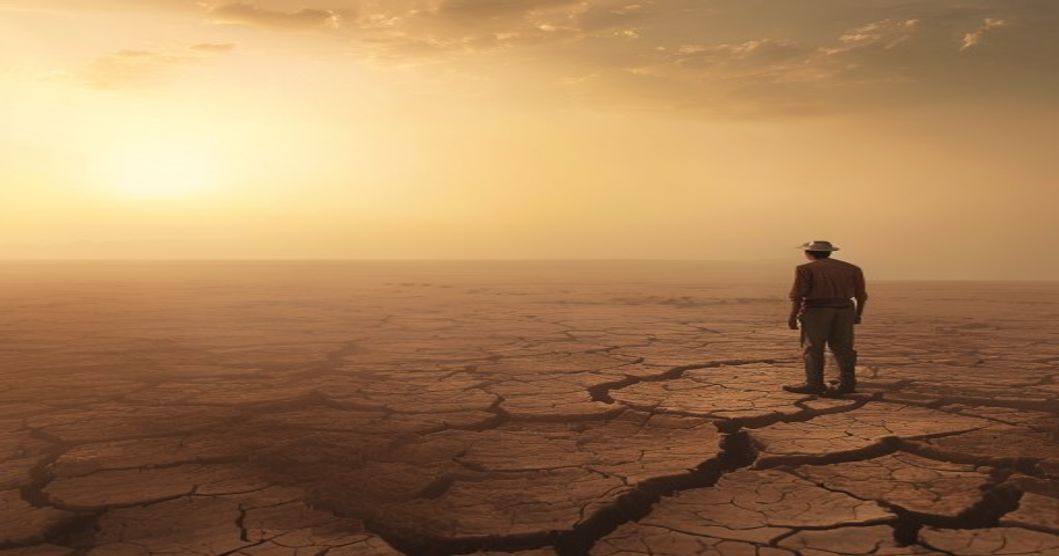
## India's Climate Inferno: A Nation Battling Unprecedented Heat As of July 23, 2026, India finds itself at the crucible of a climate crisis unlike any it has witnessed before. The whispers of climate change have long been a backdrop to our lives, but in 2026, those whispers have morphed into a deafening roar. Record-shattering temperatures, increasingly erratic monsoon patterns, and a surge in extreme weather events are not just headlines; they are the lived reality for millions across the subcontinent, threatening our very foundations – from the food on our plates to the air we breathe and the health of our communities. The urgency is palpable.
Our cities gasp under dangerous air quality indices, a stark reminder of our fossil fuel dependency. Yet, amidst this grim panorama, a beacon of hope flickers – the accelerating expansion of solar energy in rural India, a testament to our resolve. But can this progress outpace the escalating crisis? ## The Alarming Reality of 2026: A Nation Under Siege This year, 2026, will likely be etched in history as a turning point for India's climate narrative.
Meteorological departments across the country have reported unprecedented heatwaves, with mercury soaring to new highs in regions traditionally accustomed to intense summers. Cities like Delhi, Ahmedabad, and Nagpur have routinely breached the 45°C mark for extended periods, turning urban centers into heat traps. The impact isn't just discomfort; it's a direct threat to life. Beyond the scorching heat, the very rhythm of India's lifeblood – the monsoon – has become dangerously unpredictable.
While some regions grapple with severe drought conditions, others have been battered by torrential downpours leading to flash floods, landslides, and widespread destruction. This erratic behavior of the monsoon, crucial for India's agricultural economy, exemplifies the profound destabilization of our climate systems. From devastating cyclones along the coastlines to unseasonal hailstorms in the north, extreme weather events are no longer anomalies; they are becoming the norm, each one leaving a trail of human suffering and economic loss. ## Human Health on the Brink: The Invisible Toll The rising temperatures are exacting a brutal toll on public health.
Heatstroke and heat exhaustion cases have surged dramatically, overwhelming healthcare facilities already stretched thin. Vulnerable populations – the elderly, children, outdoor laborers, and those in low-income communities with inadequate housing – are disproportionately affected. The very act of earning a livelihood, often under the blazing sun, has become a perilous endeavor for millions. But the health crisis extends beyond immediate heat-related illnesses.
Warmer temperatures create ideal breeding grounds for disease vectors, leading to an uptick in vector-borne diseases like dengue, malaria, and chikungunya, even in areas where they were previously less common. Water scarcity, a direct consequence of erratic monsoons, exacerbates hygiene issues and increases the risk of waterborne diseases. Furthermore, the relentless stress of living with climate uncertainty and environmental degradation is taking a significant toll on mental health across communities. The psychological burden of repeated disasters and the constant threat to livelihoods is a silent epidemic that demands urgent attention.
## Agriculture Under Siege: A Threat to Food Security India's agricultural sector, the backbone of its economy and the provider of sustenance for over a billion people, is perhaps the most vulnerable to these climatic shifts. The unpredictable monsoon has thrown planting and harvesting cycles into disarray. Prolonged droughts have parched fields, leading to widespread crop failures and significant reductions in yield for staple crops like wheat, rice, and pulses. Conversely, sudden, intense downpours have inundated fields, destroying ready-to-harvest crops and washing away fertile topsoil.
Farmers, many already struggling with debt, face unprecedented losses, pushing them further into poverty and despair. Livestock, too, suffers from heat stress and fodder scarcity. The ripple effect is profound: reduced agricultural output translates directly into rising food prices, threatening food security for the poorest households and fueling inflation. This crisis in agriculture isn't just an economic issue; it's a humanitarian one, impacting the very ability of millions to feed themselves and their families.
## Economic Repercussions: A Drag on Development The economic fallout from India's escalating climate crisis is multi-faceted and severe. Beyond agricultural losses, extreme weather events cause immense damage to infrastructure – roads, bridges, power grids, and homes – requiring massive investments in reconstruction and rehabilitation. Productivity drops significantly during heatwaves as outdoor work becomes impossible and indoor work less efficient. Supply chains are disrupted by floods and droughts, impacting industries from manufacturing to services.
The insurance sector faces mounting claims, and government disaster relief funds are constantly strained. Foreign investment might shy away from regions perceived as highly vulnerable to climate risks. In essence, the climate crisis acts as a significant drag on India's developmental aspirations, diverting resources from growth-oriented projects to emergency response and recovery. ## Interconnected Crises: Air Pollution's Deadly Embrace While rising temperatures form the immediate threat, we cannot ignore the insidious role of air pollution, which is both a contributor to climate change and a direct health hazard.
Multiple Indian cities continue to report dangerous Air Quality Index (AQI) levels, particularly during winter months but increasingly throughout the year. Industrial emissions, vehicular exhaust, construction dust, and stubble burning contribute to a toxic cocktail that chokes our urban centers. This deadly air quality exacerbates respiratory illnesses, cardiovascular diseases, and even cognitive impairments. It also contributes to the formation of black carbon, a short-lived climate pollutant that accelerates glacial melt and warming.
The intertwined nature of these crises – climate change driving extreme weather, and air pollution intensifying health impacts while also contributing to warming – underscores the need for integrated solutions that tackle both simultaneously. ## The Glimmer of Hope: Renewable Energy and Adaptation Strategies Amidst the daunting challenges, India is not standing idle. The accelerating expansion of solar energy across rural India offers a potent symbol of resilience and a practical pathway forward. Millions in previously underserved areas now have access to clean, reliable electricity, freeing them from the dependence on costly and polluting diesel generators.
This push for renewable energy is critical for reducing our carbon footprint and mitigating future warming. Beyond mitigation, adaptation strategies are becoming equally vital. Farmers are being encouraged to adopt climate-resilient crop varieties, practice water-efficient irrigation techniques, and diversify their livelihoods. Early warning systems for extreme weather events are being strengthened, and disaster preparedness is improving.
Investments in green infrastructure, such as urban green spaces and water harvesting systems, are helping cities cope with heat and erratic rainfall. However, these efforts, while commendable, need to scale up rapidly and reach every corner of the nation. ## What Can Be Done? A Call to Action Addressing India's climate crisis demands a multi-pronged, aggressive approach: 1.
**Ambitious Mitigation Policies:** India must continue its rapid transition to renewable energy, phase out fossil fuels, and implement stringent emission controls across all sectors – industrial, transport, and agricultural. Investing heavily in public transport and electric vehicles is paramount. 2. **Robust Adaptation Measures:** Scaling up climate-resilient agriculture, investing in water management infrastructure, developing heat-resistant urban planning, and strengthening healthcare systems to manage climate-induced health crises are crucial.
3. **Community Engagement and Education:** Empowering local communities with knowledge and resources to adapt and build resilience is key. Education on sustainable practices, waste management, and energy conservation can drive grassroots change. 4.
**International Cooperation:** Advocating for climate justice on the global stage, securing financial and technological support from developed nations, and fostering international collaborations for research and innovation are essential. 5. **Policy Cohesion:** Integrating climate considerations into all national and state-level planning – from urban development to economic policy – is non-negotiable. ## Conclusion: Our Future, Our Fight The year 2026 serves as a stark reminder that the climate crisis is no longer a distant threat; it is here, now, impacting every facet of Indian life.
The rising temperatures, erratic weather, and choking air pollution are not merely environmental issues; they are existential challenges to our health, our livelihoods, and our future. But India is a nation of immense resilience and innovation. The progress in solar energy and the growing awareness among its citizens offer a powerful foundation. The path ahead is arduous, demanding collective will, decisive leadership, and sustained action from every individual, community, and institution.
As Environment Warriors, our resolve must be as unyielding as the heat we face. This is our fight, and the future of India depends on how we respond today.