Climate Change
India's Climate Inferno: Battling 2026's Record Heat & Monsoon Chaos
From scorching cities to parched fields, India grapples with a deepening climate crisis, demanding urgent national action and resilience.
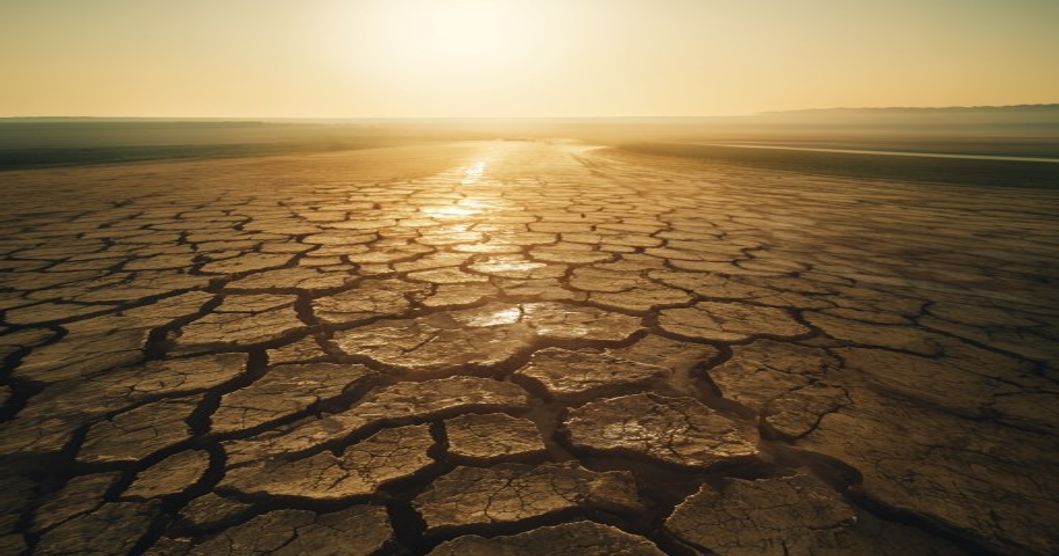
## India's Climate Inferno: Battling 2026's Record Heat & Monsoon Chaos **July 7, 2026** – The air hangs heavy, not just with the humidity that typically precedes the monsoon, but with a palpable sense of dread. Across India, the narrative of "normal" weather has been irrevocably shattered. As we at Environment Warrior report, 2026 is shaping up to be a year of unprecedented climate reckoning for the nation. Record-shattering temperatures have baked vast swathes of the subcontinent, turning cities into urban ovens and rural landscapes into tinderboxes.
Simultaneously, the life-giving monsoons, once a predictable rhythm of nature, have become erratic, a cruel dance of drought and deluge that threatens the very fabric of Indian life. This isn't just a weather report; it's a stark warning, a national emergency unfolding before our very eyes. India is not merely witnessing climate change; it is living its most brutal consequences, right here, right now. ## The Unrelenting Heatwave: India's Searing Reality The mercury has climbed to dizzying, dangerous heights this year.
From the bustling metros of Delhi and Mumbai to the smaller towns of Rajasthan and Uttar Pradesh, temperatures have consistently breached the 45°C mark, often soaring past 50°C in several regions. These aren't isolated incidents; they are prolonged heatwaves, relentless in their intensity and duration, stretching the limits of human endurance and national infrastructure. The human cost is staggering. Thousands have succumbed to heatstroke and dehydration, with hospitals reporting an overwhelming influx of heat-related illnesses.
The most vulnerable – daily wage labourers toiling under the open sun, street vendors, construction workers, the elderly, and young children – bear the brunt of this unforgiving heat. Their livelihoods are directly tied to outdoor work, forcing them to choose between economic survival and their very health. Beyond individual suffering, the heatwave has crippled essential services. Power grids, strained to their breaking point by surging demand for air conditioning, have experienced frequent outages, plunging communities into even greater misery.
Water scarcity has become acute in many urban and rural areas, with dwindling reservoirs and rapidly depleting groundwater tables unable to meet the insatiable demand. This isn't just discomfort; it's a systemic failure, a challenge to our very capacity to sustain life and maintain order in the face of an increasingly hostile environment. Economic productivity has plummeted as outdoor work becomes impossible for significant portions of the day, impacting everything from manufacturing to agriculture. The "new normal" is a reality where the sun, once revered, is now feared.
## The Monsoon's Capricious Dance: A Betrayal of Agriculture If the heat has been a direct assault, the monsoon's erratic behaviour has been a slow, agonizing betrayal. The 2026 monsoon season has been a cruel paradox: delayed in its onset in crucial agricultural belts, yet unleashing devastating torrents in others. For millions of farmers across India, whose lives and livelihoods are inextricably linked to the monsoon's rhythm, this unpredictability is nothing short of catastrophic. In states like Maharashtra, Karnataka, and parts of Madhya Pradesh, the delayed rains have meant delayed sowing, wilting crops, and the heartbreaking prospect of failed harvests.
Farmers, already burdened by debt, face ruin as their fields lie parched and barren, their investments lost to the whims of a changing climate. Conversely, regions that have received rain have often been overwhelmed by its intensity. Flash floods have inundated villages, destroyed standing crops, and washed away topsoil, negating any potential benefit. The uneven distribution of rainfall means that while one district battles severe drought, a neighbouring one struggles with waterlogging and flood damage.
This schizophrenic monsoon pattern directly threatens India's food security. Staple crops like rice, wheat, and pulses are highly sensitive to weather fluctuations. A significant drop in production could trigger widespread food shortages, drive up prices, and exacerbate hunger, particularly among the nation's poorest. The ripple effects extend beyond farmers, impacting rural economies, driving distress migration to already strained urban centres, and undermining decades of progress in agricultural self-sufficiency.
Our groundwater reserves, the lifeline for millions, are under unprecedented stress from both over-extraction during droughts and reduced replenishment from inadequate, uneven rainfall. ## Extreme Weather Events: The New Normal The climate crisis in India extends far beyond just heatwaves and monsoons. The frequency and intensity of other extreme weather events have escalated dramatically. Cyclones, once primarily a threat to coastal regions, are now forming more frequently and with greater ferocity, causing widespread destruction, displacing communities, and devastating infrastructure in their path.
The Bay of Bengal and the Arabian Sea have become breeding grounds for these powerful storms, each year bringing new records for wind speeds and rainfall. Simultaneously, prolonged droughts are becoming more common, turning fertile lands into dustbowls and exacerbating water conflicts. When the rains do come, they often arrive as torrential downpours, leading to devastating flash floods and landslides, particularly in the fragile Himalayan regions. Urban centres, ill-equipped to handle such deluges, regularly grind to a halt, with drainage systems overwhelmed and public life paralyzed.
The economic costs associated with these events are astronomical – rebuilding infrastructure, providing relief to affected populations, and managing the long-term recovery efforts divert crucial resources that could otherwise be invested in development. The human toll, marked by loss of life, displacement, and psychological trauma, is immeasurable. These aren't isolated anomalies; they are increasingly becoming the predictable, violent manifestations of a planet in distress, with India on the front lines. ## Vulnerability and Disparity: The Unequal Burden The climate crisis, like so many other societal challenges, disproportionately impacts the most vulnerable segments of India's population.
It is a cruel amplifier of existing inequalities. Farmers, especially small and marginal landholders, are at the absolute mercy of the weather; a single crop failure can plunge them into irreversible debt and despair. Fisherfolk, dependent on healthy marine ecosystems, face disrupted patterns and dwindling catches due to warming oceans and increased acidification. Informal sector workers in urban areas, who live in precarious housing and lack access to cooling centres or adequate health services, are the first victims of heatwaves and the first to lose their livelihoods during floods.
Women, often responsible for collecting water and fuel, face increased burdens as resources become scarcer. Children, particularly those from impoverished backgrounds, are more susceptible to heat-related illnesses and water-borne diseases that proliferate during extreme weather events. The urban poor, residing in dense, often informal settlements with minimal green cover and poor sanitation, experience a magnified "heat island" effect and are more exposed to pollution and disease vectors. The disparity is stark: while the affluent can retreat to air-conditioned homes and offices, the majority of Indians have no such luxury, their very existence a constant battle against the elements.
## Economic Fallout: A Nation Under Strain India's ambitious economic growth trajectory is severely threatened by the escalating climate crisis. The direct costs are immense: agricultural losses, damage to infrastructure, increased healthcare expenditure, and the financial burden of disaster relief and rehabilitation. These costs erode national GDP, divert investment from critical development sectors, and strain public finances. Food inflation, driven by crop failures and supply chain disruptions, disproportionately affects low-income households, eroding their purchasing power and pushing more families below the poverty line.
The ripple effect on industries dependent on agriculture, from food processing to textiles, is significant. Furthermore, the climate crisis impacts India's long-term economic competitiveness. Foreign investors may shy away from regions perceived as climate-vulnerable, and the cost of doing business increases due to resource scarcity and climate-related disruptions. The insurance sector faces unprecedented claims, potentially leading to higher premiums or reduced coverage in high-risk areas.
The loss of human capital due to illness, reduced productivity, and forced migration represents a hidden but profound economic drain. India's path to becoming a 5-trillion-dollar economy cannot ignore the escalating price tag of climate inaction; it is a cost that threatens to derail national aspirations and deepen societal divides. ## Adaptation Strategies: Building Resilience in a Changing Climate Confronted with this undeniable reality, India is making strides in climate adaptation, but the pace and scale of action must accelerate dramatically. Early warning systems for heatwaves, floods, and cyclones are being strengthened, utilizing satellite technology and local networks to disseminate critical information more rapidly.
Efforts are underway to develop and promote climate-resilient crop varieties that can withstand droughts, floods, and extreme temperatures, ensuring greater food security. Water harvesting and conservation techniques, including the revival of traditional stepwells and ponds, are gaining renewed importance, alongside modern water treatment and recycling initiatives. However, much more is needed. Urban planning must radically transform to incorporate green infrastructure – more parks, green roofs, and permeable surfaces to mitigate urban heat island effects and manage stormwater runoff.
Coastal communities require robust protection, including mangrove restoration and the construction of resilient sea walls. Investment in sustainable irrigation practices, efficient drip systems, and community-led water management projects are vital for rural areas. Building codes need to be updated to ensure structures can withstand extreme weather. Crucially, these adaptation strategies must be localized, involving community participation and traditional knowledge, empowering local populations to be frontline responders and innovators in their own resilience.
## Mitigation: India's Decarbonization Journey While adaptation is about living with the inevitable impacts, mitigation is about preventing the worst-case scenarios. India, despite its developmental needs and historical low per capita emissions, is making significant strides in its decarbonization journey. The rapid expansion of solar energy, particularly in rural areas, is a testament to this commitment, providing clean electricity and reducing reliance on fossil fuels. Wind energy capacity is also growing steadily.
However, the scale of the challenge remains immense. Decarbonizing heavy industries, transitioning away from coal-fired power plants, and electrifying the vast transport sector require massive investments, technological innovation, and policy support. India's position as a developing nation means it rightfully calls for global climate justice, emphasizing common but differentiated responsibilities. Yet, the domestic imperative to mitigate emissions is equally strong.
Cleaner air, reduced reliance on imported fossil fuels, and a healthier environment are benefits that accrue directly to Indian citizens. Accelerating the transition to a low-carbon economy is not just a global obligation; it is a strategic necessity for India's long-term well-being and prosperity. ## A Call to Action: Forging a Climate-Resilient Future The crisis of 2026 is a clarion call, a stark reminder that complacency is no longer an option. The future of India, its people, its economy, and its environment, hinges on the collective and urgent actions we take today.
This demands an unprecedented level of cooperation between the government, industry, civil society, and every individual citizen. It requires sustained investment in climate science, innovative technologies, and robust infrastructure. It calls for bold policy decisions that prioritize long-term sustainability over short-term gains. We must foster a culture of climate literacy and environmental stewardship, ensuring that every Indian understands their role in safeguarding our shared future.
## Conclusion As we stand in July 2026, grappling with the harsh realities of a rapidly changing climate, the task ahead for India is monumental. The rising temperatures, the erratic monsoons, and the surge in extreme weather events are not distant threats; they are our lived experience. Yet, despair is not an option. India possesses immense resilience, ingenuity, and a deep-rooted connection to its land and water.
By embracing aggressive adaptation strategies, accelerating our decarbonization efforts, and fostering a spirit of collective responsibility, we can forge a path towards a more sustainable and climate-resilient future. The challenge is immense, but so too is our potential to overcome it. The time for action is now; the future of India depends on it.