Climate Change
India's Climate Inferno: A Nation on the Brink
Record temperatures, erratic monsoons, and extreme weather events are pushing India's resilience to its absolute limits in 2026.
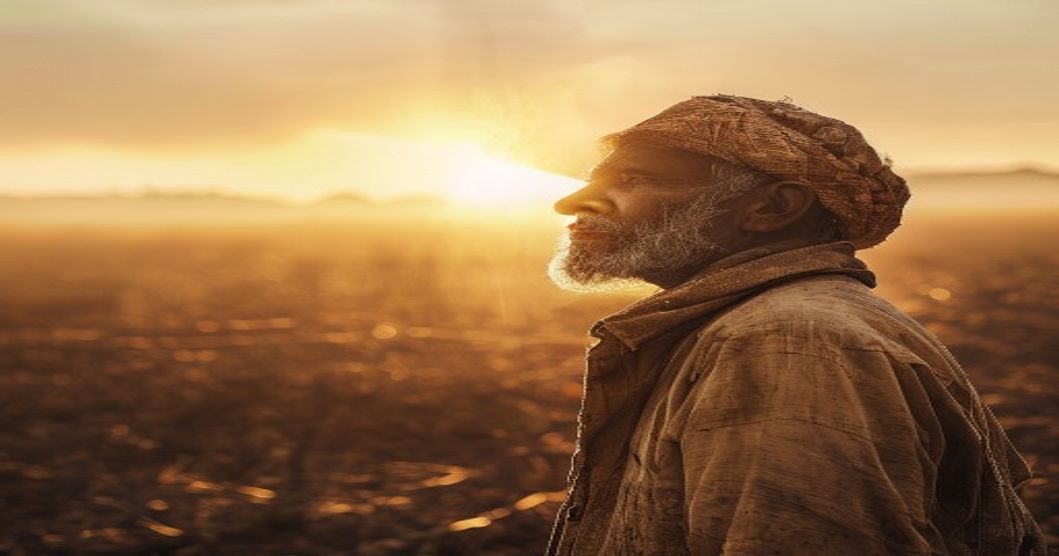
## India's Climate Inferno: A Nation on the Brink **By Environment Warrior Staff 29 July 2026** Across the vast expanse of India, a silent, yet deafening, crisis is unfolding. It's July 2026, and the nation finds itself at a perilous crossroads, grappling with the escalating impacts of a climate crisis that threatens to redefine our very existence. From the parched plains of Rajasthan to the flood-ravaged deltas of Bengal, from the sweltering urban centers to the struggling agricultural heartlands, the signs are undeniable: India is in the grip of an unprecedented environmental emergency. This isn't a distant threat; it's a present reality, impacting millions and demanding immediate, decisive action.
### The Scorching Reality: Unbearable Heatwaves and Urban Ovens The summer of 2026 will be etched into India's memory as one of its most brutal. Record-breaking temperatures have swept across the subcontinent, turning cities into veritable ovens and rural landscapes into sun-baked expanses. Major metropolitan areas like Delhi, Chennai, and Hyderabad have repeatedly breached the 45-degree Celsius mark, with mercury levels refusing to drop significantly even at night. The urban heat island effect, exacerbated by concrete jungles and dwindling green spaces, traps heat, making life unbearable for residents.
Power grids groan under the strain of surging demand for air conditioning, leading to frequent blackouts that plunge millions into sweltering darkness. Vulnerable populations – daily wage laborers, street vendors, and the elderly – bear the brunt, facing severe dehydration, heatstroke, and even fatalities. Hospitals report a dramatic increase in heat-related illnesses, stretching an already burdened public health infrastructure to its limits. This isn't just discomfort; it's a direct threat to human life and productivity, crippling economic activity and eroding public well-being.
### Monsoon's Unpredictable Dance: Droughts and Deluges India's lifeline, the monsoon, has become a cruel paradox. While some regions reel from devastating droughts, others are submerged under relentless deluges, often within the same season or even the same state. This erratic behavior is a hallmark of climate change, disrupting the delicate balance that sustains India's agriculture and water security. States like Maharashtra and Karnataka have witnessed severe rainfall deficits, leading to widespread crop failures and acute water scarcity, forcing communities to trek miles for potable water.
Reservoirs, critical for irrigation and drinking water, are at alarmingly low levels. Conversely, regions like Assam and parts of Uttar Pradesh have experienced flash floods and prolonged inundation, displacing thousands, destroying homes, and damaging infrastructure. This unpredictable dance of the monsoon destabilizes the agricultural calendar, making planning impossible for farmers and casting a long shadow over the nation's food security. The traditional wisdom of generations, once reliant on predictable seasonal patterns, is now rendered obsolete by climate chaos.
### A Looming Health Emergency: Beyond Heatstroke The climate crisis is rapidly evolving into a profound public health emergency. Beyond the immediate dangers of heatstroke and dehydration, the shifting climate patterns are creating fertile ground for a resurgence of vector-borne diseases. Erratic rainfall and warmer temperatures extend the breeding seasons and geographical reach of mosquitoes, leading to spikes in dengue, malaria, and chikungunya cases in areas previously less affected. Waterborne diseases like cholera and typhoid also see an uptick during floods, as sanitation systems are overwhelmed and contaminated water sources become prevalent.
Respiratory illnesses are exacerbated by prolonged periods of high air pollution, which often accompanies stagnant atmospheric conditions during heatwaves. The mental health toll is also significant, with climate anxiety, displacement, and economic hardship contributing to increased stress, depression, and social unrest. India's healthcare system, already struggling with existing challenges, faces an unprecedented burden from this multi-faceted health crisis. ### Agriculture on the Brink: Threat to Food Security and Livelihoods The backbone of India's economy and sustenance for millions, agriculture, is perhaps the most vulnerable sector.
The combined assault of extreme heat, water scarcity, and erratic monsoons is pushing farmers to the edge. Crop yields for staples like rice, wheat, and pulses are plummeting due to heat stress, unseasonal rains, and pest infestations, directly threatening India's food security. Small and marginal farmers, who constitute the vast majority, lack the resources to adapt to these rapid changes, leading to mounting debt, distress migration, and an alarming increase in farmer suicides. Livestock, a crucial asset for many rural families, also suffers from heat stress and water shortages.
The ripple effect is felt across the supply chain, leading to price volatility for consumers and instability in agricultural markets. Without urgent, systemic interventions, India risks a complete collapse of its agrarian economy, with devastating social and economic consequences. ### The Economic Fallout: Billions Lost, Futures Jeopardized The economic ramifications of India's climate crisis are staggering. Experts estimate that the nation is already losing billions of dollars annually due to climate-related disasters, a figure projected to skyrocket.
Damage to infrastructure, lost agricultural output, decreased labor productivity due to heat stress, increased healthcare costs, and the expenses of disaster relief and rehabilitation place an immense burden on the national exchequer. This diverts crucial funds from developmental projects, hindering progress in education, infrastructure, and poverty alleviation. Foreign investment might also become wary of a region facing increasing climate instability. The long-term economic prosperity and stability of India are intrinsically linked to its ability to mitigate and adapt to climate change.
### Building Resilience: A Path Forward Amidst the Storm Despite the grim outlook, hope lies in proactive measures and collective action. India has demonstrated a commitment to renewable energy, with significant solar energy expansion, particularly in rural areas, providing a crucial pathway to decarbonization. However, mitigation alone is not enough; adaptation is equally critical. Investing in climate-resilient infrastructure – drought-resistant crops, efficient irrigation systems, early warning systems for extreme weather, and robust urban planning that prioritizes green spaces and water harvesting – is paramount.
Empowering local communities with knowledge and resources to adapt to changing conditions, promoting sustainable agricultural practices, and strengthening public health systems are vital steps. International cooperation and financial support are also essential for a nation of India's scale to effectively tackle this challenge. ### A Call to Action: Our Shared Responsibility This is not merely an environmental issue; it is a developmental, economic, and humanitarian crisis. The choices we make today, as individuals, communities, industries, and governments, will determine the future trajectory of India.
We, the "Environment Warrior" community, must amplify these voices, demand accountability, and champion sustainable solutions. Support policies that prioritize climate action, advocate for green technologies, reduce your personal carbon footprint, and engage in local initiatives. Educate yourselves and others about the urgency of the situation. The time for debate is over; the time for action is now.
Our nation's future, the well-being of millions, and the legacy we leave for generations to come depend on it. India stands at a pivotal moment. The climate crisis is not a distant shadow but a tangible force reshaping our lives. It demands courage, innovation, and an unwavering commitment to a sustainable future.
Let us rise to this challenge, for the sake of our land and its people.