Climate Crisis
India's Climate Inferno: A Nation Battling Rising Temperatures
India confronts unprecedented climate challenges in 2026: record heat, erratic monsoons, and extreme weather events threaten millions.
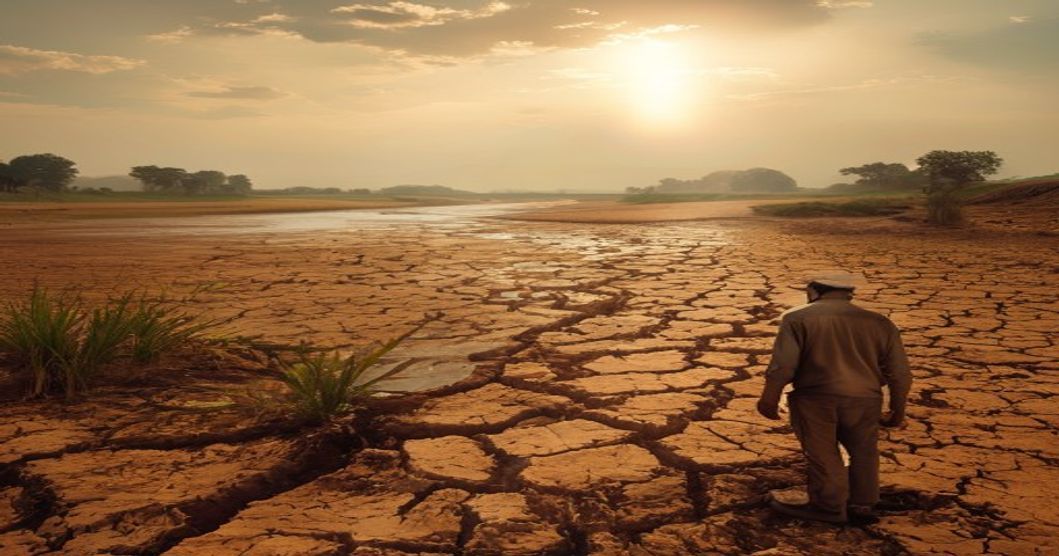
July 28, 2026. The calendar page turns, but the grim reality facing India remains unchanged, if not intensified. As an environmental journalist for "Environment Warrior," I've witnessed the escalating climate crisis firsthand, but 2026 feels different. It's not just a warning anymore; it's a full-blown emergency.
From the sun-baked plains of Rajasthan to the flood-ravaged deltas of Bengal, India is grappling with an existential threat: a climate crisis manifesting as relentless heatwaves, unpredictable monsoons, and a terrifying surge in extreme weather events. Millions are at risk, livelihoods are crumbling, and the very fabric of our nation is being tested. This isn't a distant future; this is our present. ## The Unrelenting Heat: India's New Normal This year, temperatures have soared to unprecedented levels across India.
Cities like Delhi, Nagpur, and Ahmedabad have repeatedly breached the 45°C mark, turning urban centers into unbearable furnaces. The India Meteorological Department (IMD) has issued continuous heatwave alerts, a stark reminder of the new normal. But these aren't just statistics; they represent a brutal reality for daily wage earners, construction workers, and street vendors who have no escape from the scorching sun. Hospitals report a surge in heatstroke cases, dehydration, and related ailments, straining an already overburdened healthcare system.
The economic impact is equally severe: reduced productivity, forced closures, and a significant drop in outdoor economic activity. The human body, and indeed the entire ecosystem, is struggling to adapt to this unrelenting thermal assault. ## Monsoons in Flux: A Dangerous Dance India's lifeblood, the monsoon, is dancing to a dangerous rhythm. While some regions battle severe drought due to delayed or insufficient rainfall, others are inundated by sudden, torrential downpours causing flash floods and landslides.
This erratic behavior is a direct consequence of a warming planet. Farmers, who depend on predictable monsoon patterns for their crops, are caught in a cruel bind. A delayed monsoon can devastate sowing, while excessive rain can destroy standing crops, wash away topsoil, and contaminate water sources. The traditional wisdom of generations is failing against the unpredictable fury of a changing climate, leaving millions of agricultural communities vulnerable and desperate.
## Agriculture on the Brink: The Breadbasket's Peril The backbone of India, its agricultural sector, is teetering on the brink. The combined assault of heatwaves and erratic monsoons is creating a perfect storm for crop failures. Staple crops like rice, wheat, and pulses are highly sensitive to temperature fluctuations and water stress. Reports from states like Punjab, Uttar Pradesh, and Maharashtra indicate significant yield reductions this year.
This isn't just about farmers' incomes; it's about national food security. The ripple effect is profound: rising food prices, increased rural debt, and a potential exodus from farming communities. The delicate balance of India's agrarian economy, which supports over half its population, is being severely disrupted, threatening to trigger a deeper socio-economic crisis. ## A Public Health Emergency in the Making Beyond the immediate threat of heatstroke, the climate crisis is fueling a broader public health emergency.
Altered weather patterns are creating new breeding grounds for disease vectors. Mosquito-borne illnesses like dengue, malaria, and chikungunya are seeing extended seasons and wider geographical reach. Water scarcity, exacerbated by droughts, forces communities to rely on unsafe sources, leading to a rise in waterborne diseases. Malnutrition, stemming from reduced agricultural output and food insecurity, further weakens populations, making them more susceptible to illness.
The psychological toll of living under constant environmental stress – the fear of crop loss, the anxiety of extreme weather – is also taking a heavy toll on mental health across affected regions. ## Economic Ripple Effects: A Costly Crisis The economic ramifications of India's climate crisis are staggering. Infrastructure, from roads and railways to power grids, is increasingly vulnerable to extreme weather events, leading to massive repair costs and disruptions. Lost agricultural output translates into billions of rupees in economic losses.
Reduced labor productivity due to heat stress impacts industrial and service sectors. The cost of disaster relief, rehabilitation, and increased public health spending places immense pressure on state and national budgets, diverting funds from crucial development initiatives. The most vulnerable populations, often those with the least capacity to adapt, bear the brunt of these economic shocks, widening existing inequalities. ## The Path Forward: Adaptation, Mitigation, and Resilience While the challenges are immense, India is not without its strengths.
The accelerated expansion of solar energy across rural India, providing clean electricity to millions, stands as a beacon of hope, demonstrating our capacity for large-scale, sustainable solutions. But this positive momentum must be amplified and integrated into a comprehensive strategy. We need robust climate adaptation policies, focusing on drought-resistant crops, water harvesting technologies, and climate-resilient infrastructure. Early warning systems for extreme weather events must be strengthened and made accessible to the remotest communities.
Simultaneously, aggressive mitigation efforts are crucial: a rapid transition away from fossil fuels, stricter emission controls for industries and transport (addressing the critical air pollution issue indirectly), and large-scale afforestation programs. Investing in research and development for climate-smart agriculture and urban planning is paramount. ## A Collective Call to Action This crisis demands a unified response. Governments, at both central and state levels, must prioritize climate action with clear, measurable targets and adequate funding.
Industries must embrace sustainable practices and reduce their carbon footprint. Most importantly, every citizen has a role to play – from conserving water and energy to advocating for stronger environmental policies. The narrative of "development versus environment" must be replaced by "sustainable development. " We must recognize that our economic prosperity, public health, and national security are inextricably linked to the health of our environment.
The future of India, and indeed its people, hinges on the decisions we make, and the actions we take, starting today. ## Conclusion: The Fight for a Resilient India As the sun sets on July 28, 2026, the urgency of India's climate crisis casts a long shadow. The record temperatures, erratic monsoons, and extreme weather events are not merely environmental anomalies; they are harbingers of a profound transformation threatening our way of life. The time for debate is over; the time for decisive, collective action is now.
As Environment Warriors, it is our duty to not only report the truth but also to inspire change. Let us rise to this challenge, for the sake of our present and for the generations yet to come. The fight for a resilient, sustainable India begins with each one of us.