Climate Change
India's Burning Future: A Climate Emergency Unfolds
India's climate crisis in 2026: record temperatures, erratic monsoons, and extreme weather threaten millions, demanding urgent action.
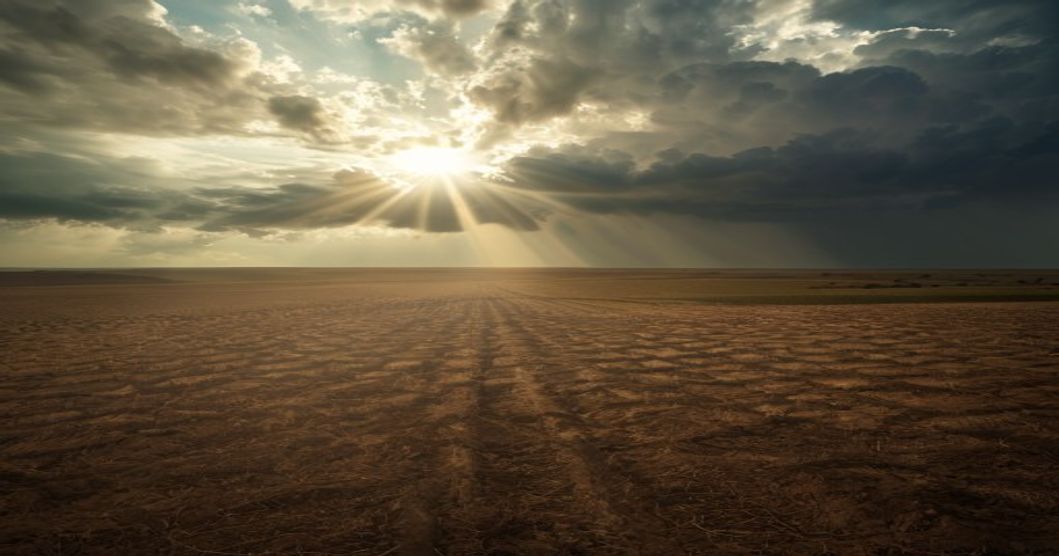
## India's Burning Future: A Climate Emergency Unfolds **New Delhi, 7 July 2026** – The mercury refuses to relent. As the calendar turns to July, 2026 finds India caught in the unforgiving grip of an unprecedented climate crisis. Across the subcontinent, record-breaking temperatures, increasingly erratic monsoons, and a surge in extreme weather events are not just headlines; they are a daily reality threatening the lives, livelihoods, and future of millions. The very fabric of our nation is being tested, demanding an urgent, collective response from every citizen and every level of governance.
For years, scientists and environmentalists have warned of this impending reality. Now, we are living it. The data is stark: 2026 is on track to be one of India's hottest years on record. Cities, once vibrant hubs of activity, are transforming into urban heat islands, with temperatures consistently breaching 45°C, and in some regions, even touching a searing 50°C.
The impact is profound, extending far beyond mere discomfort. ## The Unrelenting Heatwave: A Silent Killer The most immediate and visible manifestation of India's climate crisis is the escalating heatwave phenomenon. From the arid plains of Rajasthan to the bustling metropolises of Delhi and Ahmedabad, residents are enduring prolonged periods of intense heat. This isn't just about feeling hot; it's a public health emergency.
Hospitals report a surge in heatstroke cases, dehydration, and heat-related exhaustion. Vulnerable populations – the elderly, children, and outdoor workers – are disproportionately affected. Construction laborers, street vendors, and farmers, the backbone of our economy, find their working hours drastically cut, leading to significant income loss and deepening cycles of poverty. The economic toll, though difficult to quantify precisely, is undoubtedly staggering, impacting productivity, supply chains, and overall national output.
Beyond human health, the relentless heat stresses critical infrastructure. Power grids struggle under the immense demand for cooling, leading to frequent blackouts, especially in rural areas already underserved. Water resources, already strained by a burgeoning population, evaporate faster, exacerbating scarcity and fueling conflicts over dwindling supplies. The very air we breathe becomes more noxious as heat traps pollutants, creating a deadly cocktail for respiratory ailments.
## Monsoons in Disarray: Agriculture on the Brink The Indian monsoon, the lifeblood of our agriculture and economy, is increasingly a fickle friend. While some regions grapple with severe drought, witnessing crops wither and livestock perish, others are deluged by catastrophic flash floods. This year, the pattern has been particularly alarming. Reports from states like Maharashtra and Karnataka speak of delayed onset or early withdrawal of rains, leading to widespread crop failure.
Farmers, already burdened by debt, face devastating losses, pushing many to the brink. Conversely, regions in the North-East and parts of the Gangetic plains have experienced incessant, heavy downpours, resulting in widespread flooding, displacement, and destruction of standing crops. The predictability that farmers once relied upon has vanished, replaced by an unsettling uncertainty that undermines food security for the entire nation. This erraticism doesn't just impact staple crops like rice and wheat; it disrupts horticultural produce, pulses, and oilseeds, leading to price volatility and inflationary pressures that hit the poorest hardest.
The long-term implications are dire. Soil degradation, loss of biodiversity, and altered groundwater tables are becoming increasingly common. The traditional wisdom of generations of farmers is proving inadequate against the rapid and unpredictable shifts in weather patterns. India's agricultural backbone, supporting over half its population, is under immense strain, demanding innovative solutions and robust support systems.
## A Public Health Nightmare and Economic Fallout Beyond direct heat-related illnesses, the climate crisis is fostering a broader public health nightmare. Erratic rainfall patterns create ideal breeding grounds for vector-borne diseases. Dengue, malaria, and chikungunya are finding new territories and extended seasons, placing immense pressure on an already stretched public health infrastructure. Water scarcity and contamination from floods also lead to outbreaks of waterborne diseases like cholera and typhoid, particularly in informal settlements and rural areas with limited access to clean water and sanitation.
Economically, the impacts are cascading. Agricultural losses translate into higher food prices, impacting household budgets across all income groups. Disasters like floods and droughts cause massive infrastructure damage – roads, bridges, homes – necessitating billions in reconstruction efforts, diverting funds from development initiatives. The insurance sector faces unprecedented claims, and the informal sector, which employs a vast majority of India's workforce, is particularly vulnerable to climate shocks, leading to job losses and increased migration to already overcrowded urban centers.
## The Road Ahead: Adaptation, Mitigation, and Resilience The challenges are immense, but India is not without hope or agency. The accelerating expansion of solar energy across rural India, providing clean electricity to millions previously dependent on polluting diesel generators, stands as a powerful testament to our capacity for positive change. This push for renewable energy is a critical step towards mitigating future emissions and reducing our carbon footprint. However, mitigation alone is no longer sufficient; adaptation is paramount.
India needs a multi-pronged strategy: * **Robust Early Warning Systems:** Enhancing meteorological forecasting and disaster preparedness to provide timely information to vulnerable communities. * **Climate-Resilient Agriculture:** Investing in research for heat-resistant and drought-tolerant crop varieties, promoting water-efficient irrigation techniques, and diversifying agricultural practices. * **Urban Greening and Infrastructure:** Developing green infrastructure in cities, promoting cool roofs, and designing buildings that can withstand extreme weather. Improving urban planning to reduce the 'heat island' effect.
* **Strengthening Public Health:** Bolstering healthcare systems to cope with climate-induced health crises, improving disease surveillance, and ensuring access to clean water and sanitation. * **Community-Led Adaptation:** Empowering local communities with knowledge and resources to implement adaptation strategies tailored to their specific vulnerabilities. * **Policy and Governance:** Implementing and strictly enforcing environmental regulations, incentivizing green technologies, and ensuring climate considerations are integrated into all development planning. ## A Call to Action for Every Indian This isn't a distant threat; it is our present reality.
The climate crisis in India in 2026 is a clarion call for immediate, decisive action. As citizens of "Environment Warrior," it is our collective responsibility to advocate for stronger policies, support sustainable practices, and hold our leaders accountable. From reducing our personal carbon footprint to demanding investments in renewable energy and climate resilience, every action, no matter how small, contributes to building a more sustainable and secure future. India's journey through this climate emergency will define our generation.
We have the innovation, the spirit, and the collective will to navigate these turbulent waters. But time is of the essence. Let us rise to this challenge, not as victims, but as warriors determined to safeguard our environment and secure a livable future for all. **Join the fight.
Be an Environment Warrior. **