Environmental Policy
India's Air Paradox: Out of Top 50, Yet Challenges Remain
A global pollution shift offers India a critical window to tackle air quality, prevent dementia, and secure a healthier future.
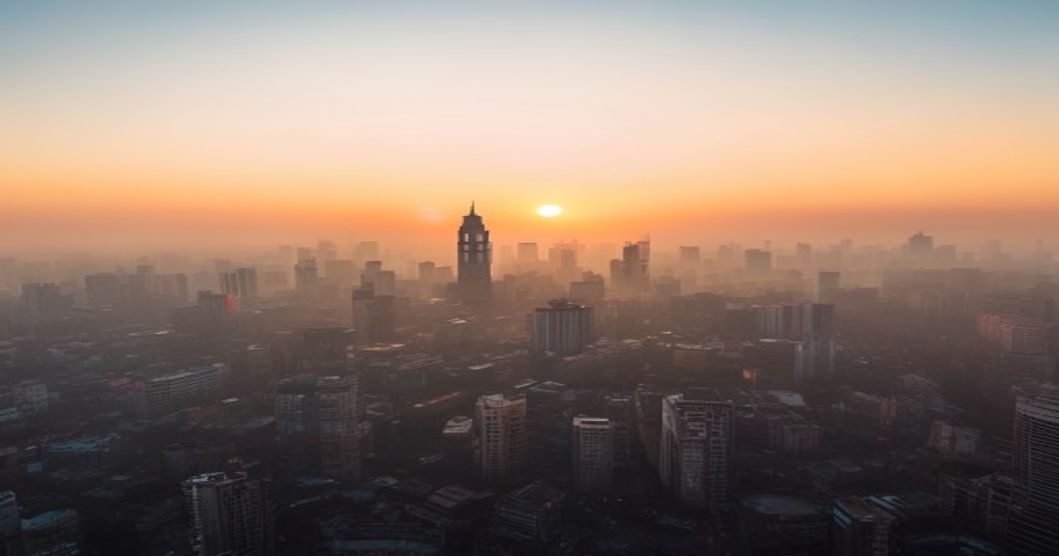
# A Breath of Fresh Air? India's Unprecedented Moment in the Global Pollution Landscape **By Environment Warrior Staff** **25 July 2026** For decades, the grim shadow of air pollution has loomed large over India, making headlines globally for its choking cities and the devastating health toll on its citizens. Yet, as we stand on 25 July 2026, a truly astonishing development has reshaped the narrative: not a single Indian city features among the world's 50 most polluted cities. This sudden, unprecedented shift, with cities across the US and Canada now dominating the ignominious rankings, presents India with a critical, albeit complex, opportunity.
## The Shifting Sands of Global Pollution The news, first reported earlier this month, has sent ripples of surprise and cautious optimism across environmental circles. For years, reports from organizations like IQAir consistently placed numerous Indian cities at the top of the world's pollution charts. Today, that map looks drastically different. The reason, experts suggest, lies hundreds of kilometres away – a complex interplay of meteorological phenomena, industrial shifts, and perhaps, unforeseen atmospheric patterns that have drastically altered air quality across North America, pushing their urban centres into unprecedented levels of particulate matter concentration.
While the exact long-term implications of this global relocation of pollution are still being studied, for India, it offers a momentary reprieve. This isn't necessarily a declaration of victory for India's domestic air quality efforts, but rather a temporary atmospheric realignment. It's a precious window, a chance to consolidate and accelerate efforts, rather than bask in a potentially fleeting moment of cleaner air by global comparison. ## The Looming Health Crisis: Air Pollution and Dementia This unexpected breathing room coincides with a stark new warning from the World Health Organization (WHO) that elevates the urgency of air quality to an unprecedented level.
The WHO has officially added air pollution to its list of dementia risk factors, estimating that up to 45% of dementia cases globally could be prevented or delayed by tackling modifiable lifestyle factors. This includes not just air pollution, but also chronic diseases like obesity, diabetes, and even hearing loss. For India, a nation grappling with a burgeoning elderly population and millions already living with this debilitating brain disorder, these updated guidelines are nothing short of a wake-up call. Long-term exposure to microscopic particulate matter isn't just about respiratory illnesses or cardiovascular problems anymore; it's directly linked to the deterioration of our cognitive faculties.
As AIIMS and NIMHANS experts, who contributed to the WHO report, would attest, the implications for public health in India are profound. Every breath of cleaner air is not just a comfort; it's a shield against a future of cognitive decline for millions. ## India's Nuanced Reality: A Temporary Respite or Real Progress? The absence of Indian cities from the top 50 most polluted list, while globally significant, must be viewed through a nuanced lens domestically.
Has India truly turned a corner, or is this merely a fortunate coincidence driven by external factors? Certainly, there have been concerted efforts. Initiatives like the National Clean Air Programme (NCAP) have been in motion, and local actions in various cities have yielded some results. However, the ground reality, as often articulated by environmental advocates, remains challenging.
Congress leader Jairam Ramesh's recent scathing critique, dubbing the 'Paryavaran Mantralay' as 'Pravachan Mantralay,' highlights a prevailing sentiment of governance collapse within the Union environment ministry. The alleged sacking of four close aides to Minister Bhupendra Yadav over two days only underscores the deep-seated issues. Ramesh's assertion that the ministry has done little to protect the environment, allowing ecological destruction to continue unabated across various regions, cannot be dismissed. Air pollution, despite the current global rankings, remains a significant public health concern within India.
Farmers burning crop stubble, vehicular emissions, industrial discharge, and construction dust continue to plague many regions, particularly during specific seasons. The current global ranking, while a moment of pride, must not breed complacency. It should instead fuel a renewed, more aggressive commitment to domestic air quality improvements. ## The Interconnectedness: Monsoon, Climate, and International Cooperation The fight for cleaner air in India isn't just about local initiatives; it's intricately linked to global climate patterns and the need for international cooperation.
New research from the University of Reading underscores this, revealing that cleaning up pollution around the world could bring significantly more rainfall to India's monsoon than regional action alone. This highlights a crucial point: air quality is a transboundary issue, and what happens thousands of miles away can directly impact India's lifeline – the monsoon rains. This interconnectedness strengthens the argument for India to be a vocal proponent of global environmental diplomacy, advocating for stricter emission controls worldwide. Simultaneously, it emphasizes the importance of robust domestic policies that not only address local pollutants but also contribute to a healthier global atmosphere, thereby securing India's own climatic stability and agricultural prosperity.
## Local Solutions and Industry Action: Paving the Way Forward Amidst the larger policy debates and global shifts, encouraging signs of proactive engagement are emerging at the local and industrial levels. A commendable example is the recent launch of an advanced Decision Support System (DSS) for air quality management in Pune and Pimpri Chinchwad. This initiative, a collaborative commitment between Cummins in India and CII (Confederation of Indian Industry), marks a significant milestone in their Cleaner Air Better Life (CABL) program. Conceptualized by Cummins, CII, and NITI Aayog, CABL has evolved into a national multi-stakeholder platform.
It brings together government, industry, academia, civil society, and communities to address air pollution through four focused task forces: clean transport, clean fuel, clean industry, and biomass management. Such initiatives are vital. They demonstrate that concrete, actionable steps, driven by collaboration and leveraging technology, can make a tangible difference on the ground. ## Seizing the Moment: A Call to Action As Environment Warriors, we must view India's current absence from the list of the world's most polluted cities not as an end-point, but as a critical inflection point.
This unexpected reprieve, coupled with the dire WHO warnings about air pollution and dementia, presents a dual challenge and opportunity. It is an opportunity for India to: * **Aggressively enforce and strengthen existing environmental regulations:** Close the gap between policy and implementation. * **Invest in sustainable infrastructure:** Promote electric vehicles, public transport, and cleaner industrial technologies. * **Empower local bodies and communities:** Foster citizen participation in air quality monitoring and advocacy.
* **Prioritize public health campaigns:** Educate citizens on the direct link between clean air and cognitive health, making air quality a personal and community imperative. * **Champion international cooperation:** Work with global partners to address transboundary pollution and climate change, recognizing the shared nature of our atmosphere. The current global shift in pollution patterns may be temporary, but the health imperative is permanent. India has been handed a precious chance – a moment to breathe, reflect, and act decisively.
Let us ensure that this temporary respite transforms into a sustainable legacy of clean air for all, safeguarding not just our lungs, but also the very minds of future generations. The time for being a 'Pravachan Mantralay' is over; it's time for decisive, warrior-like action.