Climate Change
India & Europe Sizzle: Climate Change's Global Heatwave Grip
From Delhi's scorching plains to Paris's melting streets, 2026 reveals a brutal new normal, challenging our perception of summer.
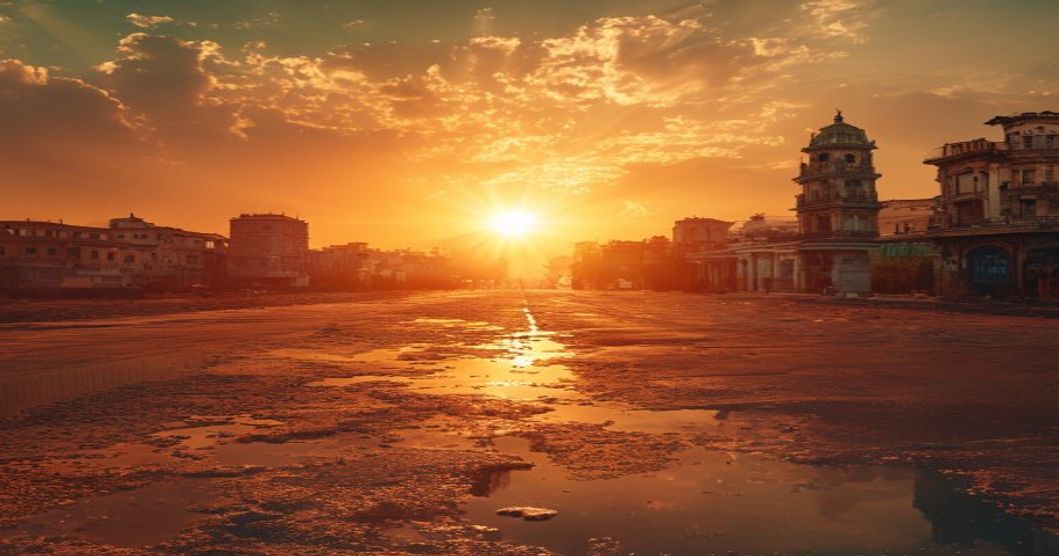
July 20, 2026. As the monsoon rains offer a tentative respite to some parts of India, the lingering memory of the brutal 2026 heatwave remains a searing scar on the national psyche. Record temperatures, tragic heat-related deaths, and immense public health challenges have underscored a grim reality: India is on the frontlines of a rapidly warming world. Yet, this year, the script has flipped in an unprecedented way.
The very European destinations once synonymous with cool summer escapes—the breezy evenings of Paris, the vibrant streets of Rome—have themselves become unexpected furnaces, battling heatwaves that have shattered records and claimed lives. It’s a stark, global wake-up call, demanding our immediate attention and long-term commitment to climate action. ## India's Scorching Summer: A Crisis Unfolding For an 'Environment Warrior' in India, the 2026 heatwave crisis was not merely a news headline; it was a lived experience of relentless, oppressive heat. Across the subcontinent, temperatures soared to unprecedented levels, pushing human endurance to its limits and exposing critical vulnerabilities in our infrastructure and public health systems.
Cities like Delhi, Jaipur, and Lucknow reported sustained periods where mercury consistently breached the 45°C mark, with some regions touching an agonizing 50°C. The human cost has been devastating, with a significant surge in heat-related illnesses and deaths, particularly among the elderly, outdoor workers, and economically vulnerable populations lacking access to adequate cooling. Hospitals were overwhelmed, struggling to cope with the influx of heatstroke cases, dehydration, and exacerbated pre-existing conditions. Beyond the immediate health crisis, the heatwave crippled daily life and economic activity.
Agricultural output suffered, with crops wilting under the relentless sun, threatening food security and farmers' livelihoods. Power grids groaned under the immense demand for air conditioning, leading to frequent blackouts that only intensified the suffering. This year's crisis has laid bare the urgent need for a comprehensive, long-term heat preparedness strategy for India, encompassing early warning systems, cool shelters, water management, green infrastructure, and public awareness campaigns. It's a battle for survival against an increasingly hostile climate.
## Europe's Unprecedented Inferno: When Escapes Become Hotspots The narrative of Europe as a cool summer haven, a blissful escape from North India's scorching plains, has been dramatically rewritten by June 2026. What was once a dream destination for its pleasant summers now grapples with its own brutal heatwave, shattering all-time temperature records across several countries. Social media platforms, usually filled with picturesque European vistas, are now awash with alarming images and videos: residents struggling to cope with temperatures well beyond 40°C, and, shockingly, viral footage from Cevre TV (Turkey) showing traffic lights melting in Italy and Germany. This isn't just an anomaly; meteorological agencies and climate researchers confirm it as one of the most intense heatwaves Europe has experienced in decades.
The World of Statistics report starkly highlights this reversal, identifying six European destinations that were, astoundingly, hotter than several North Indian cities. Places like Paris, Rome, Madrid, and Athens, typically bustling with tourists seeking respite, became symbols of a new climate reality. The human toll in Europe has also been significant, with numerous heat-related fatalities reported, particularly among the vulnerable. This dramatic shift serves as a potent reminder that climate change knows no geographical boundaries, transforming even traditionally temperate zones into extreme heat zones.
## The Undeniable Link: Climate Change in Action Scientists and climate researchers are unequivocal: the extreme heat events witnessed in both India and Europe in 2026 are not isolated incidents but clear, undeniable manifestations of human-induced climate change. The burning of fossil fuels, deforestation, and industrial activities continue to release vast quantities of greenhouse gases into the atmosphere, trapping heat and causing global average temperatures to rise. This warming trend intensifies the frequency, duration, and severity of heatwaves. What we are experiencing is a direct consequence of decades of unchecked emissions.
The Intergovernmental Panel on Climate Change (IPCC) has repeatedly warned that such extreme weather events will become more commonplace and intense if global warming continues unabated. The melting traffic lights in Europe and the record deaths in India are not mere weather phenomena; they are distress signals from a planet under immense stress. They underscore the urgency of transitioning to renewable energy sources, adopting sustainable land use practices, and drastically reducing our carbon footprint. The choice is no longer between development and climate action; it is between sustainable development and an increasingly uninhabitable planet.
## Beyond the Heat: Global Implications and a New Normal The 2026 heatwaves in India and Europe herald a new normal, with profound global implications. For one, international travel patterns are likely to undergo a significant shift. The traditional summer exodus from hotter regions to cooler European climes may well diminish, as these 'escapes' offer less and less respite. This will impact tourism economies and force a re-evaluation of travel seasons.
More broadly, these events highlight the escalating challenge of urban resilience. Cities, whether in Delhi or Paris, are becoming heat islands, demanding innovative solutions in urban planning, such as widespread green spaces, cool pavements, reflective surfaces, and efficient public cooling centers. The psychological impact of living through such extreme events also cannot be underestimated, contributing to climate anxiety and a sense of vulnerability. Furthermore, the interconnectedness of global climate systems means that no nation is truly immune.
The melting glaciers in the Himalayas, the rising sea levels threatening coastal communities, and the intensifying droughts and floods are all part of the same complex tapestry of climate disruption. We are witnessing a planetary emergency that transcends borders, requiring a coordinated global response. ## Forging a Path Forward: Action for an Environment Warrior As 'Environment Warriors,' we understand that despair is not an option; informed action is our imperative. The scale of the climate challenge demands a multi-pronged approach, integrating both mitigation and adaptation strategies.
\n \n **Mitigation:** This involves drastically reducing greenhouse gas emissions. Governments must accelerate the transition to renewable energy (solar, wind, hydro), implement stricter industrial emission standards, and invest in sustainable transportation. For individuals, this means conscious choices: reducing energy consumption, opting for public transport or cycling, supporting eco-friendly businesses, and advocating for stronger climate policies. \n \n **Adaptation:** As warming is already locked in, we must also adapt to the new climate reality.
For India, this means robust heat action plans, early warning systems, accessible cool shelters, promoting traditional cooling methods, and investing in climate-resilient agriculture. For urban centers globally, it entails green infrastructure development, water conservation, and redesigning public spaces to combat the urban heat island effect. \n \n **Education and Advocacy:** Spreading awareness about climate change and its impacts is crucial. Engaging in public discourse, supporting environmental organizations, and holding leaders accountable are vital roles for every citizen.
The debate at DAV Public School, Palampur, on 'Government Should Focus More on Development than Climate Change' underscores a critical misconception we must actively counter: true, sustainable development is impossible without addressing climate change. Our future prosperity, health, and well-being are inextricably linked to the health of our planet. ## Conclusion: The Time for Reckoning is Now The summer of 2026 will be remembered not just for its record-breaking heat, but as a pivotal moment when the global reality of climate change became undeniable, even for those who once thought themselves insulated. From the bustling streets of India to the historic avenues of Europe, the message is clear: the planet is warming at an alarming rate, and the consequences are here.
As environmental journalists at 'Environment Warrior,' our duty is to not only report on these crises but to galvanize action. This isn't a problem for future generations; it's a crisis demanding our collective, immediate, and sustained efforts. The choice to act decisively, to embrace sustainability, and to champion climate justice is no longer a luxury—it is an absolute necessity for the survival and flourishing of life on Earth.