Climate Change
Hyderabad's Thirsty Future: Climate Extremes Strain a Megacity's Lifeline
As temperatures soar and monsoons grow erratic, Hyderabad's vital water systems grapple with scarcity, pollution, and the urgent need for resilience.
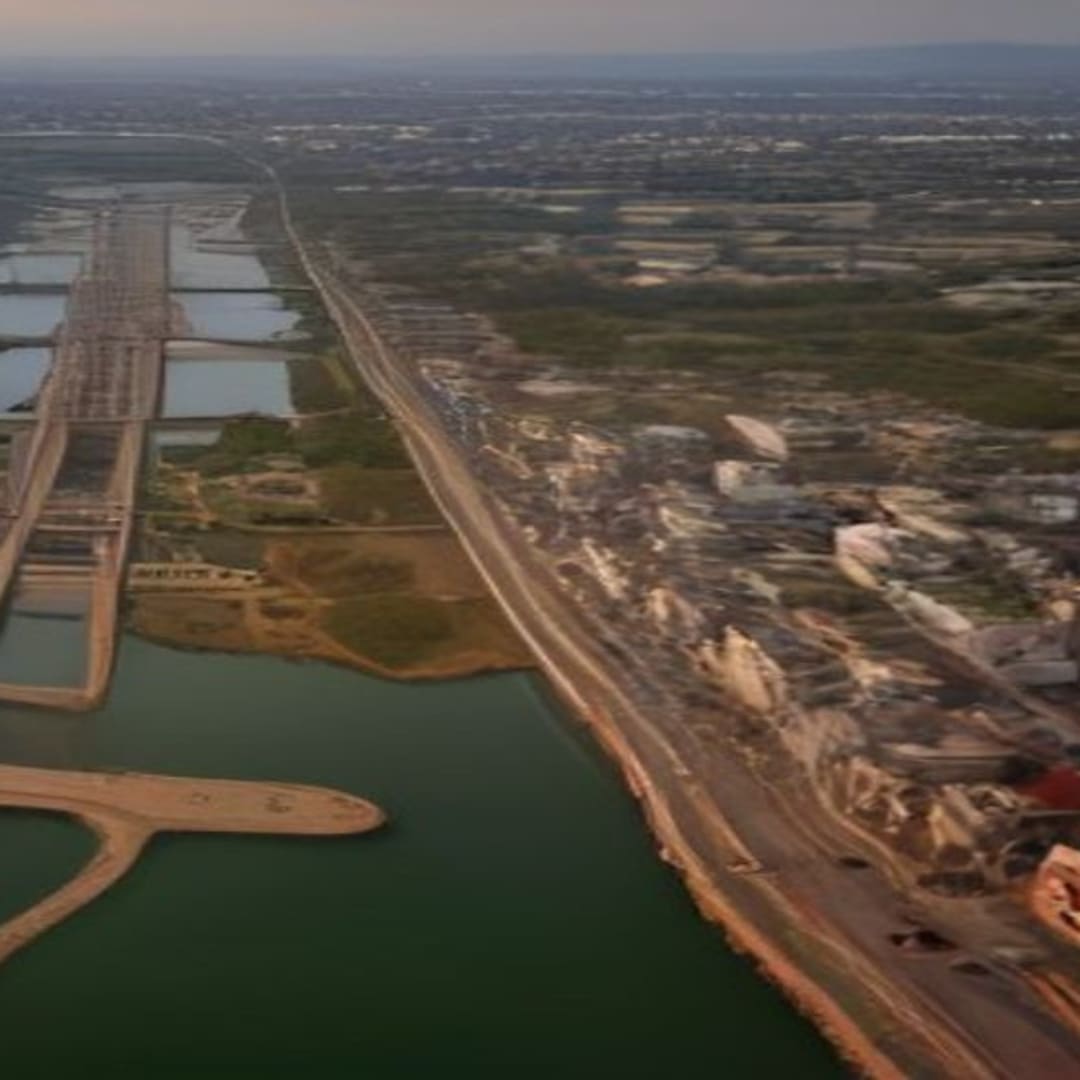
The rhythmic clang of empty water tankers, a familiar soundtrack to Hyderabad's scorching summers, now persists well into what should be the lush monsoon season. It’s early September 2026, and for residents like Lakshmi Devi in the city's peri-urban periphery, the wait for water is a daily ordeal. “Some days, it’s just a trickle, sometimes nothing,” she laments, gesturing towards her row of plastic drums. “Even when it comes, we worry about its quality.
” Hers is not an isolated story, but a stark illustration of how India's climate crisis is silently renegotiating the social contract in its fastest-growing cities. Hyderabad, the Pearl City, a global tech and pharmaceutical hub, is experiencing a profound water dilemma. Its glittering skyscrapers and booming economy mask a foundational vulnerability: a water supply system increasingly stretched thin by rapid urbanization and the capricious grip of climate change. The city, once famed for its numerous lakes, now finds itself caught between prolonged periods of scarcity and sudden, destructive deluges, all amplified by relentlessly rising temperatures.
## The Dual Climate Hammer: Scarcity and Contamination For decades, Hyderabad’s water security has relied heavily on distant river systems – the Krishna and Godavari – brought to the city through vast pipeline networks. However, the integrity and reliability of these lifelines are now under unprecedented strain from climate extremes. The **Telangana State Development Planning Society (TSDPS)** has consistently reported a disturbing trend: a steady increase in average annual temperatures across the state. This rise translates directly into higher evaporation rates from reservoirs, reducing available water before it even reaches the city's treatment plants.
Compounding this is the erratic nature of the monsoon. Historically, the monsoon fed the city's reservoirs, providing a predictable annual recharge. But 2026, like several preceding years, has seen a cruel paradox: longer dry spells punctuated by short, intense downpours. These intense bursts often lead to massive surface runoff rather than effective groundwater recharge, overwhelming urban drainage systems and causing flash floods.
The **Hyderabad Metropolitan Water Supply and Sewerage Board (HMWSSB)** often finds itself in a precarious balancing act: managing dwindling reserves during dry periods, then struggling to contain and treat heavily polluted floodwaters during intense rains. This erratic precipitation doesn't just impact quantity; it severely compromises quality. Heavy runoff carries pollutants – agricultural chemicals from upstream, urban waste, industrial effluents – directly into water bodies and distribution systems. Rising temperatures further exacerbate this by accelerating the growth of algae and bacteria in stagnant or poorly treated water, increasing the risk of waterborne diseases like cholera, typhoid, and dengue, particularly in crowded informal settlements.
## Unseen Costs: Health, Economy, and Equity The consequences of Hyderabad's escalating water crisis are far-reaching. Public health infrastructure, already under strain from heat-related illnesses, faces a fresh wave of waterborne infections. Hospitals report an uptick in cases, placing additional burdens on healthcare workers and resources. Families, especially those in lower-income brackets, bear the brunt, spending precious income on bottled water, water purifiers, or even medical treatments, diverting funds from education or nutrition.
Economically, the reliability of water supply is critical for Hyderabad's industrial and IT sectors. Unscheduled water cuts or the need for expensive private tankers disrupt operations, impacting productivity and potentially deterring future investments. The city's ambition to maintain its status as a global economic powerhouse hinges on a stable, high-quality water supply, a foundation that is visibly cracking under climate pressure. The equity dimension is perhaps the most distressing.
Wealthier households can afford borewells or private tanker services, insulating themselves to some extent. However, communities in the Old City and the rapidly expanding peripheries are disproportionately affected. They often rely on unreliable public taps or shared sources, waiting for hours in queues or paying exorbitant prices for water of questionable quality. This creates a deeply unequal playing field, where access to a fundamental human right becomes a commodity for the privileged.
## Forging a Resilient Water Future: Pathways to Adaptation Hyderabad's water woes are a complex tapestry woven with climate change, rapid urbanization, and aging infrastructure. Addressing it demands an integrated, multi-pronged approach that moves beyond traditional supply-side management. **1. Infrastructure Modernization and Leakage Reduction:** A significant portion of treated water is lost due to leakages in the aging distribution network.
HMWSSB has initiated efforts to replace old pipelines and implement smart metering, but these projects need rapid scaling. Reducing non-revenue water through advanced detection technologies and prompt repairs is crucial for immediate gains. **2. Decentralized Water Management and Rainwater Harvesting:** Relying solely on distant river sources is a precarious strategy.
Hyderabad must embrace decentralized solutions. Aggressive implementation of urban rainwater harvesting systems, from residential buildings to large commercial complexes, can significantly augment local groundwater tables. Public parks, open spaces, and educational institutions can be retrofitted with large-scale recharge pits and permeable surfaces to capture and store monsoon runoff, rather than letting it become a destructive force. **3.
Wastewater Treatment and Reuse:** Treating and reusing wastewater for non-potable purposes – such as industrial cooling, irrigation of green spaces, and toilet flushing – can drastically reduce the demand on fresh potable water sources. While some treatment plants exist, their capacity and efficiency need substantial upgrades and expansion. The city must move towards a circular water economy, viewing every drop as a resource. **4.
Catchment Area Protection and Restoration:** The health of Hyderabad’s reservoirs directly depends on the health of their catchment areas. Protecting these regions from deforestation, agricultural pollution, and unchecked development is paramount. Afforestation drives, especially with native species, around major water bodies like Osmansagar and Himayatsagar, can improve soil retention, reduce erosion, and enhance natural filtration. **5.
Community Engagement and Water Conservation:** No technological solution can succeed without public participation. Campaigns promoting water-saving habits, fixing household leaks, and responsible waste disposal are essential. Empowering local communities with knowledge and resources to manage their immediate water resources can foster a sense of ownership and collective responsibility. **6.
Climate-Resilient Urban Planning:** Ultimately, Hyderabad needs a long-term urban development strategy that integrates climate projections into every aspect of planning. This includes zoning regulations that protect floodplains, promoting water-efficient building designs, and investing in green infrastructure like urban wetlands that naturally purify water and mitigate floods. Hyderabad's journey towards water resilience is a microcosm of India's broader climate challenge. The city stands at a critical juncture.
The choices made today – whether to invest boldly in sustainable water management, innovate with climate-smart technologies, and foster community participation – will determine not just the future of its citizens, but also set a vital precedent for millions more living in India's burgeoning, climate-stressed urban centers. The clanging of tankers must give way to the steady flow of clean, reliable water for all. The time for proactive, integrated action is now, before Hyderabad's thirst becomes unquenchable.