Climate Change
Hyderabad's Climate Crossroads: Navigating Concurrent Heat and Deluge
Telangana's capital battles unprecedented heatwaves and intense urban flooding, straining infrastructure and public health systems.
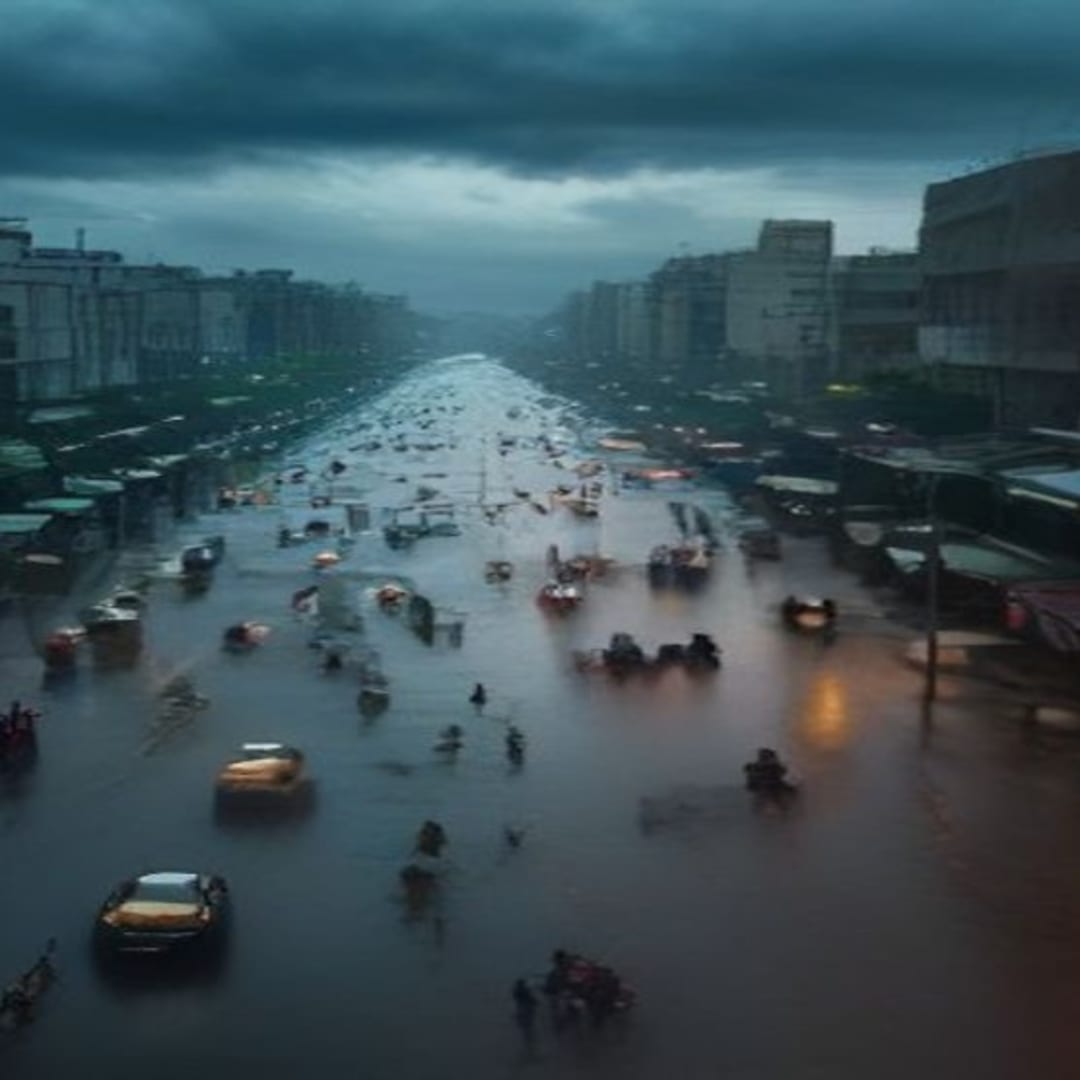
## Hyderabad's Climate Crossroads: Navigating Concurrent Heat and Deluge Hyderabad, August 20, 2026 – The air in Hyderabad often shimmers these days, not just with the heat, but with a palpable sense of unease. Telangana’s bustling capital, a hub of technology and culture, finds itself at a perilous climate crossroads. One day, the city stifles under a relentless heatwave, pushing mercury past historic averages and turning asphalt into a shimmering mirage. The next, a sudden, torrential downpour transforms streets into rivers, overwhelming drainage systems and bringing life to a standstill.
This isn't just extreme weather; it's a relentless climate whiplash – a dangerous cycle of concurrent extreme heat and intense urban flooding that is pushing Hyderabad's infrastructure, public health, and human resilience to breaking point. India, in 2026, grapples with a climate crisis of unprecedented scale. Record temperatures, erratic monsoons, and a surge in extreme weather events are redefining the nation's environmental narrative. While the national discourse often focuses on broad patterns, it is in cities like Hyderabad that the raw, compounded impacts are most acutely felt.
The challenge is no longer just about preparing for a single extreme, but about navigating the intricate, often self-aggravating, dance between these escalating threats. ## The Relentless Heat: A City Under Siege For years, Hyderabad has been accustomed to its scorching summer months. But recent decades have witnessed a discernible and alarming upward trend in temperatures. According to data from the India Meteorological Department, Telangana’s average maximum temperatures have risen by approximately 0.
7°C over the last three decades, with the frequency and duration of severe heatwaves increasing dramatically. These aren't just statistics; they are felt in the scorching concrete, the strained power grids, and the weary faces of its citizens. During peak heatwaves, the city's power demand surges as millions turn to air conditioning, often leading to localized power outages that exacerbate discomfort and health risks. Water reservoirs face faster evaporation, adding pressure to an already stressed supply system.
Most critically, public health takes a severe hit. Hospitals report an increase in heatstroke, dehydration, and heat exhaustion cases, particularly among the city's vast informal workforce – street vendors, construction labourers, daily wage earners – who have no escape from the open sun. Their livelihoods, already precarious, are directly threatened by days deemed too dangerous to work. ## Monsoon's Unpredictable Fury: From Lifeline to Threat Just as the city adjusts to the oppressive heat, the monsoon arrives, often not as a gentle respite but as an erratic, intensified assault.
The traditional monsoon pattern, characterized by sustained rainfall, has given way to shorter, more violent downpours. These intense bursts of rain, often delivering a month's worth of precipitation in a few hours, are the primary drivers of urban flooding. Hyderabad’s rapid urbanization, with its concretization and encroachment on natural water bodies and *nalas* (stormwater drains), has severely compromised the city's natural drainage capacity. Lakes have shrunk, their feeder channels blocked, and existing stormwater drains are often insufficient, clogged with plastic waste and silt, or narrowed by illegal constructions.
The result is predictable chaos. Roads become impassable, residential areas in low-lying zones are submerged, and public transportation grinds to a halt. The damage to infrastructure – roads, power lines, and telecommunications – is extensive, costing the Greater Hyderabad Municipal Corporation (GHMC) and citizens crores of rupees in repairs annually. The 2020 floods, which devastated parts of the city and claimed lives, served as a grim preview of the intensified monsoon's potential for destruction.
## The Compounding Crisis: A Vicious Cycle The true danger for Hyderabad lies not in heat or flood alone, but in their devastating interplay. These two extremes create a vicious cycle of vulnerabilities, each amplifying the other's impact. A city weakened by a prolonged heatwave becomes more susceptible to the shock of a sudden deluge. Conversely, the aftermath of floods – damaged infrastructure, waterlogging, and displaced populations – prolongs recovery and makes the subsequent heatwave even more challenging to endure.
Consider the public health implications. Heat-stressed bodies are more vulnerable to infections. Stagnant floodwaters, particularly when temperatures remain high, become ideal breeding grounds for disease vectors like mosquitoes, leading to spikes in vector-borne diseases such as dengue, malaria, and chikungunya. Contaminated water supplies during floods also trigger outbreaks of water-borne diseases like cholera and typhoid, further straining the city’s healthcare system already reeling from heat-related emergencies.
The psychological toll is equally profound, as communities face the relentless stress of adapting to rapidly shifting, life-threatening conditions. ## Hyderabad's Infrastructure on the Brink Hyderabad’s infrastructure, a testament to its rapid growth, is now showing significant cracks under this dual climate assault. The city's drainage network, a critical line of defense against flooding, is perpetually overwhelmed. While the GHMC has initiated programs like the Strategic Nala Improvement Program (SNIP) to widen and improve stormwater drains, the sheer scale of urban expansion, unchecked encroachments, and the increasing intensity of rainfall make it a constant uphill battle.
Many *nalas* flow through densely populated areas, making widening efforts contentious and complex. Roads, vital arteries of the city, suffer immensely. Asphalt softened by extreme heat can develop cracks and potholes, which are then exacerbated by the erosive force of floodwaters. This constant cycle of damage and repair not only drains municipal resources but also disrupts commerce and daily commuting.
Power distribution networks, often exposed, are vulnerable to both heat-induced overloads and water damage during floods, leading to cascading failures that plunge communities into darkness at their most vulnerable moments. ## A Looming Public Health Emergency The public health sector in Hyderabad is bracing for an evolving crisis. Beyond immediate heatstroke and flood injuries, the long-term health implications are dire. The co-existence of high temperatures and post-flood waterlogging creates a fertile environment for a prolonged season of vector-borne diseases.
The city’s public hospitals and clinics, often under-resourced, struggle to cope with the surge in patients during and after these extreme events. Moreover, the mental health burden on residents, particularly those in vulnerable informal settlements, cannot be overlooked. The constant threat of losing homes, livelihoods, and enduring discomfort takes a significant psychological toll, leading to increased anxiety, stress, and a diminished sense of security. The Greater Hyderabad Municipal Corporation, alongside the Telangana State Disaster Management Authority (TSDMA), is working to improve early warning systems and disaster response, but the reactive nature of these interventions often falls short of the proactive, integrated solutions required.
## Beyond Reactive Measures: The Path to Resilience Hydrabad’s experience offers crucial lessons for urban India. The traditional approach of addressing climate threats in silos – a heat action plan here, a flood mitigation project there – is no longer sufficient. A truly resilient Hyderabad, and indeed a resilient India, requires an integrated, multi-sectoral strategy: 1. **Integrated Urban Planning:** Mandating green infrastructure is paramount.
This includes promoting permeable surfaces, establishing urban forests and green spaces to mitigate the urban heat island effect and absorb rainwater, and restoring natural water bodies. Implementing stringent building codes that account for both heat resilience and flood resistance is critical. 2. **Robust Drainage System Modernization:** The SNIP and similar programs must be accelerated and expanded.
This involves not only widening *nalas* but also desilting them regularly, preventing encroachments, and integrating nature-based solutions like constructed wetlands and bioswales to manage stormwater at a localized level. 3. **Advanced Early Warning Systems:** More localized, granular, and easily communicable early warning systems for both heatwaves and intense rainfall are essential. These must be coupled with effective communication channels to reach all citizens, especially the most vulnerable, in a timely manner.
4. **Climate-Proofing Infrastructure:** New infrastructure projects must incorporate climate resilience from conception. Existing infrastructure, from roads to power grids, needs to be retrofitted to withstand projected increases in temperature and rainfall intensity. Undergrounding power lines where feasible can reduce flood-related outages.
5. **Strengthened Public Health Preparedness:** Establishing dedicated climate-health units within urban health departments, training rapid response teams for both heat and flood emergencies, and implementing robust public awareness campaigns on disease prevention and heat safety are crucial. 6. **Community Engagement and Empowerment:** Empowering local communities, particularly those in vulnerable settlements, with knowledge, resources, and the capacity to participate in local resilience planning and disaster response can significantly enhance the city's overall adaptive capacity.
## Hyderabad: A Blueprint for India's Urban Future Hyderabad's battle against the compounding stresses of heat and deluge is a stark mirror reflecting the challenges faced by countless rapidly urbanizing Indian cities. Its story is a powerful call to action for policymakers, urban planners, and citizens across the nation. The future of India's metropolises hinges on their ability to transition from reactive crisis management to proactive, integrated climate adaptation. It demands a holistic vision that recognizes the interconnectedness of climate threats and builds cities that are not just smart, but truly resilient – capable of bending, not breaking, under the relentless pressure of a warming world.
The time for piecemeal solutions is over; India's urban future demands an integrated climate warrior's approach, starting now.