Climate Impact
Himachal's Golden Apples Face Climate Catastrophe: A Battle for Survival
India's ₹5,000-crore apple economy is crumbling under unprecedented climate shifts, threatening livelihoods for thousands of farming families.
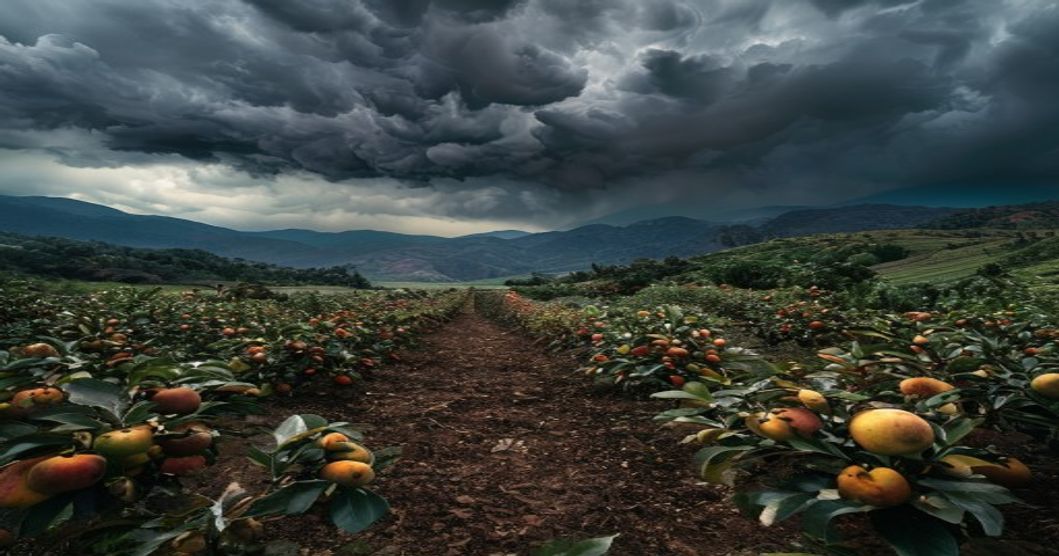
## Introduction Himachal Pradesh, often called the ‘Apple State of India,’ boasts a vibrant agricultural heartland known globally for its crisp, sweet apples. For generations, these orchards have not only painted the hillsides with lush green and crimson hues but have also formed the bedrock of a robust economy. The region's unique climate, characterized by cold winters and moderate summers, has historically provided the perfect conditions for apple cultivation. This thriving **₹5,000-crore apple economy** supports over **2.
5 lakh farming families**, representing a significant portion of the state's rural population. From the bustling markets of Shimla to the remote valleys of Kinnaur, the apple harvest is a cultural event, a source of pride, and a crucial income stream that fuels local development and sustains communities. However, this cherished legacy now stands on the precipice of a profound crisis. The very climate that once nurtured these orchards is turning against them.
Unseasonal rains, devastating hailstorms, and increasingly warmer winters are disrupting the delicate balance required for successful apple production, casting a long shadow over the future of Himachal's golden fruit. ## Why this matters The unfolding crisis in Himachal Pradesh's apple belt is far more than just an agricultural setback; it's a socio-economic earthquake. The **₹5,000-crore valuation** of this industry underscores its immense contribution to the state's gross domestic product and its pivotal role in the national food supply chain. A significant disruption here sends ripples throughout the Indian economy.
Beyond the staggering monetary figures, the crisis profoundly impacts **2. 5 lakh farming families** whose livelihoods are inextricably linked to apple cultivation. These families have honed their skills over generations, with apple farming being a cornerstone of their identity and heritage. The potential loss of this primary income source threatens widespread rural displacement, poverty, and social instability.
Moreover, the environmental implications extend beyond crop failure. A collapse of the apple economy could lead to a shift towards less sustainable agricultural practices or even widespread deforestation as communities seek alternative income. This interconnected web of economic, social, and environmental factors makes the **Himachal apple crisis** a critical indicator of climate change's multifaceted impacts, demanding urgent attention and comprehensive solutions. ## What happened The alarming projections paint a grim picture for Himachal Pradesh's apple industry.
Experts foresee a staggering **40% crash in apple production by 2026**, reducing output from **6. 99 lakh Metric Tonnes in 2025** to an estimated **4. 36 lakh MT** in the subsequent year. This dramatic decline represents a loss of **2.
63 lakh MT** or approximately **2. 15 crore apple boxes**, a blow that will reverberate across the state. The primary culprits behind this impending disaster are erratic weather patterns, direct consequences of accelerating climate change. Farmers report increasingly frequent and intense **unseasonal rains** that disrupt delicate flowering and fruit-setting stages.
These deluges wash away pollen, cause fungal diseases, and damage nascent fruit, leading to significant yield reductions. Compounding the problem are violent **hailstorms** that strike at critical times, physically bruising and destroying developing apples, rendering them unsellable. Perhaps most insidious are the **warmer winters**, which fail to provide the essential 'chill hours' apples require for proper dormancy and subsequent blossoming. Without adequate chill, trees experience delayed or uneven flowering, poor fruit set, and reduced quality, directly contributing to the anticipated production crash.
## Scientific explanation The plight of the **Himachal apple belt** is a textbook example of how subtle shifts in global climate patterns can have devastating local impacts. Apples, particularly the popular temperate varieties grown in Himachal Pradesh, have specific chilling requirements. They need a sustained period of cold temperatures, typically below **7°C (45°F)**, during winter dormancy to break bud and flower uniformly in spring. Global warming has led to an observable rise in winter temperatures across the Himalayan region, drastically reducing the number of these crucial **chill hours**.
As a result, apple trees often exhibit erratic flowering, with some buds opening prematurely and others remaining dormant, leading to poor pollination rates and significantly reduced fruit yields. This disruption of the natural phenological cycle is a direct consequence of altered atmospheric conditions. Furthermore, intensified **Western Disturbances** – extratropical storms originating in the Mediterranean region – are now bringing more frequent and severe unseasonal precipitation and hailstorms to the Indian subcontinent. These disturbances, influenced by a warming Arctic and changing jet stream patterns, are causing the extreme weather events that are physically destroying crops.
The altered atmospheric moisture content and energy dynamics contribute to the increased frequency and intensity of these destructive weather phenomena, transforming a historical boon into a modern-day bane for **Himachal's apple economy**. ## Environmental impact The direct environmental consequences of the **Himachal apple crisis** extend beyond simply reduced harvests. The increasing climatic volatility places immense stress on the delicate mountain ecosystems. Intensified unseasonal rains contribute to **soil erosion**, especially on steep orchard slopes, leading to nutrient loss and degradation of agricultural land.
Warmer temperatures also shift the geographical ranges of pests and diseases, allowing them to thrive in previously inhospitable areas. Apple growers are now contending with new or more virulent infestations, necessitating increased pesticide use, which in turn can harm beneficial insects, soil biodiversity, and water quality. This creates a challenging cycle of environmental degradation. Moreover, the push for adaptation might lead to unintended ecological consequences.
Farmers might abandon traditional, climate-adapted apple varieties for newer, less resilient ones, or shift to other crops that are not suitable for the local ecosystem. This could lead to a loss of **agrobiodiversity**, making the region even more vulnerable to future environmental changes and undermining the long-term sustainability of the **Himachal apple belt**. ## Economic impact The economic fallout from the projected **40% crash in apple production** is staggering, particularly for the **₹5,000-crore Himachal apple economy**. A reduction of **2.
63 lakh MT** translates directly into hundreds of crores of rupees in lost revenue for the state and its farmers. This isn't just a statistical abstract; it represents real income lost, affecting every facet of rural life. For the **2. 5 lakh farming families**, this means severely diminished annual incomes, jeopardizing their ability to repay loans, fund education, and meet daily needs.
Many small and marginal farmers, already operating on thin margins, face the grim prospect of debt traps and potential displacement from their ancestral lands. The ripple effect extends to seasonal laborers, transporters, packaging industries, and cold storage facilities, all of whom depend on a robust apple harvest. Beyond the immediate losses, there are long-term economic vulnerabilities. The unpredictability deters investment in the sector, potentially leading to a decline in orchard maintenance and the adoption of modern farming techniques.
Ultimately, the **Himachal apple crisis** threatens the economic stability of an entire region, turning a prosperous agricultural hub into an area of significant financial distress and highlighting the urgent need for targeted economic relief and diversification strategies. ## Global perspective The **Himachal apple crisis** is not an isolated incident but a microcosm of a larger global pattern of climate change impacting agriculture. From the vineyards of France facing erratic frosts and heatwaves to the coffee plantations of Central America battling new fungal diseases fueled by warmer temperatures, agricultural systems worldwide are under unprecedented stress. Each region, with its unique crops and climate, offers a different narrative of vulnerability.
Similar to Himachal's apples, many specialized agricultural products, often tied to specific microclimates and traditional farming practices, are at heightened risk. These include certain varieties of olives, cocoa, and various fruits that rely on precise temperature and precipitation regimes. The increasing frequency of extreme weather events—droughts, floods, and superstorms—is fundamentally altering growing seasons and compromising yields across continents. This global phenomenon underscores the interconnectedness of food systems and the shared challenge of **food security** in a changing climate.
The lessons learned and the solutions developed in one vulnerable region, like Himachal Pradesh, can offer invaluable insights and blueprints for other agricultural communities struggling to adapt. It highlights the urgent need for international collaboration and shared knowledge to build resilience in the face of widespread climatic disruption to our global food basket. ## Solutions Addressing the profound challenges faced by the **Himachal apple belt** requires a multi-pronged approach that integrates scientific innovation, policy support, and community engagement. At the forefront are **climate-smart agricultural practices**, which involve adopting techniques that enhance productivity sustainably, build resilience to climate change, and reduce greenhouse gas emissions.
These practices are critical for long-term viability. One key solution lies in **diversification**, both within apple varieties and across different crops. Exploring and promoting new apple cultivars that are more tolerant to warmer winters and resistant to common pests and diseases is essential. Additionally, integrating other high-value crops suitable for changing climatic conditions can reduce farmers' reliance on a single crop, mitigating risk and providing alternative income streams.
Investing in advanced **research and development** is paramount. This includes developing stress-tolerant rootstocks, improving irrigation efficiency through micro-irrigation systems, and implementing precision agriculture techniques. Empowering farmers with the knowledge and tools to adopt these innovations through effective extension services will be crucial for building a more resilient and sustainable **Himachal apple economy**. ## What governments can do Governments play a pivotal role in shielding the **Himachal apple belt** from complete collapse.
A critical step is the immediate strengthening and expansion of **crop insurance schemes**. These programs must be made more accessible, transparent, and responsive to the specific climatic risks faced by apple growers, ensuring timely payouts that truly compensate for losses due to unseasonal rains, hailstorms, and inadequate chill. Investing heavily in **modern irrigation infrastructure** is non-negotiable. While apples are traditionally rain-fed, the erratic nature of precipitation demands robust supplementary irrigation systems, including rainwater harvesting and micro-irrigation.
These systems can mitigate the impacts of dry spells and ensure consistent water supply, critical for maintaining orchard health and productivity. Furthermore, robust policies supporting **research into climate-resilient apple varieties** and **early warning systems** for extreme weather events are essential. Government subsidies for adopting new technologies, promoting market diversification, and providing **climate finance** for adaptation projects will empower farmers. By integrating these strategies, governments can build a framework for long-term resilience for the **Himachal apple economy**.
## What individuals can do While governments and scientific bodies have significant roles, individual actions, collectively, also contribute to supporting the **Himachal apple belt** and mitigating climate change. Firstly, **support local farmers** by purchasing Himachal apples directly or through ethical supply chains when available. This provides immediate economic relief and strengthens demand for sustainable practices. Secondly, **advocate for stronger climate policies**.
Engage with local and national representatives, emphasizing the urgency of agricultural climate resilience and robust environmental protection. Your voice can help drive policy changes that support farmers and ecosystems vulnerable to climate impacts. Finally, and perhaps most broadly, **reduce your personal carbon footprint**. This involves conscious choices in transportation, energy consumption, diet, and waste management.
While the impact of one person might seem small, collective efforts to slow global warming are essential for creating a more stable climate, which in turn offers the best long-term protection for vital agricultural regions like **Himachal Pradesh's apple orchards**. ## Key Takeaways * **Himachal Pradesh's apple economy**, valued at **₹5,000 crore**, is vital for the region and sustains **2. 5 lakh farming families**. * Climate change is projected to cause a **40% drop in apple production by 2026**, reducing output to **4.
36 lakh MT**. * **Unseasonal rains, hailstorms, and warmer winters** are the primary climate drivers behind this crisis. * Warmer winters reduce crucial **chill hours**, disrupting apple tree dormancy and fruit development. * The crisis leads to significant **economic losses**, impacting farmer livelihoods, supply chains, and regional stability.
* Environmental impacts include **soil erosion, pest shifts, and loss of agrobiodiversity**. * Solutions include **climate-smart agriculture, crop diversification, and investment in research and development**. * Governments must strengthen **crop insurance, irrigation infrastructure, and early warning systems**. * Individuals can support farmers, **advocate for climate policies, and reduce their carbon footprint**.
## Conclusion The looming crisis in Himachal Pradesh's apple belt serves as a stark, immediate warning of climate change's relentless assault on our planet's most vulnerable economic sectors and communities. The anticipated **40% production crash** is not merely an agricultural statistic; it represents the potential unraveling of generations of heritage, the erosion of livelihoods, and a profound threat to regional **food security**. This is a collective wake-up call, urging us to acknowledge the fragility of our agricultural systems in the face of a rapidly changing climate. The future of Himachal's iconic apples, and indeed countless other climate-sensitive crops globally, hinges on swift, decisive action.
We must move beyond observation to urgent implementation of robust adaptation strategies and substantial mitigation efforts. From grassroots initiatives among farmers to sweeping governmental policy reforms and individual commitments to sustainability, every effort counts. By embracing climate-smart solutions, investing in resilient infrastructure, and fostering a global commitment to environmental stewardship, we can still safeguard the golden apples of Himachal and ensure a sustainable, food-secure future for all. The time to act and protect our planet's precious resources is now, before the chill hours are lost forever and the orchards fall silent.