Climate Change
Global Heatwave Crisis: India, Europe, and a Melting Planet
From Delhi's scorching plains to melting streets in Paris, 2026 redefines summer, exposing a shared climate emergency.
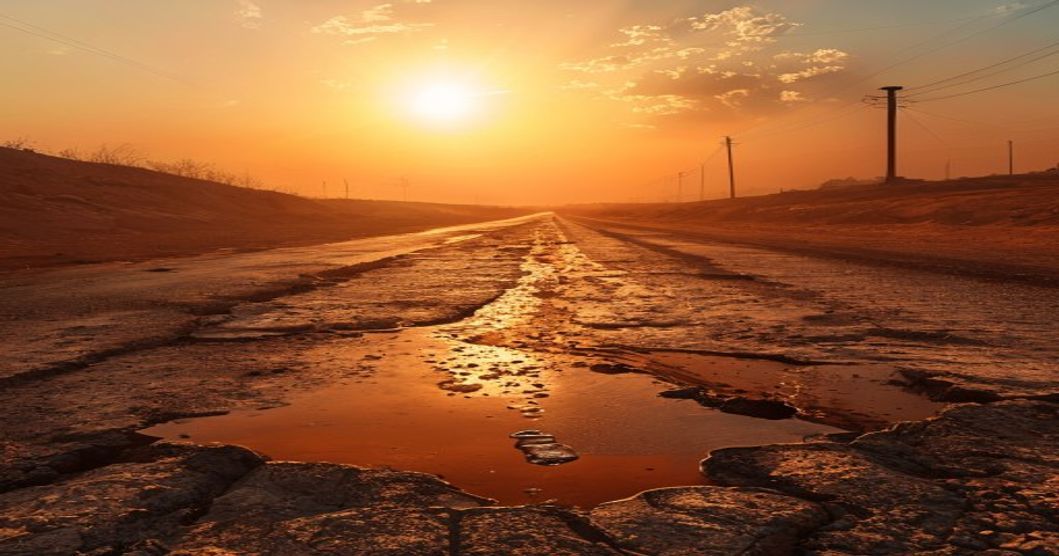
## The New Normal: A World Under Siege by Heat Today, July 23, 2026, as an environmental journalist for "Environment Warrior," I find myself reflecting on a summer that has undeniably redefined our understanding of extreme weather. The narrative of climate change has shifted from a distant threat to an undeniable, present reality, manifesting in brutal heatwaves that have gripped continents, shattered records, and tragically claimed lives. This isn't just a weather report; it's a stark warning, a global emergency that demands our immediate and unwavering attention. For years, the summer escape to Europe has been a cherished tradition for many, particularly from North India, seeking respite from the subcontinent's formidable heat.
Europe was synonymous with pleasant breezes, vibrant streets, and cool evenings. But June 2026 delivered a shocking plot twist. The very destinations once sought for their coolness are now struggling under an unprecedented inferno, mirroring, and in some cases even surpassing, the temperatures typically associated with India's scorching plains. This summer, the world has become a crucible, with both East and West feeling the relentless, escalating pressure of a warming planet.
## India's Scorching Summer: A Familiar Battle Intensifies India is no stranger to heatwaves. Each year, as summer peaks, parts of the country brace for the intense heat. However, the 2026 heatwave crisis has been particularly brutal, pushing the boundaries of what is considered extreme. Record temperatures swept across vast swathes of the nation, turning daily life into a struggle for survival for millions.
The impacts have been devastating: a tragic surge in heat-related deaths, widespread public health challenges straining an already stretched healthcare infrastructure, and immense pressure on essential services like water and electricity. Our cities, often concrete jungles, become urban heat islands, trapping and amplifying the sun's energy. Vulnerable populations – daily wage earners, outdoor laborers, the elderly, and children – bear the brunt of this crisis, their lives and livelihoods jeopardized. This isn't merely a cyclical weather phenomenon; it's a stark manifestation of long-term climate change risks, underscoring the urgent, critical need for robust, long-term heat preparedness strategies across India.
From early warning systems and accessible cooling centers to sustainable urban planning and improved public health advisories, the time for incremental adjustments is over. We need a systemic overhaul to protect our people from an increasingly hostile climate. ## Europe's Unprecedented Inferno: When Summer Escapes Become Heat Traps The most startling development of this summer, however, has been the dramatic shift in Europe's climate narrative. For generations, European summers were idyllic, attracting travellers seeking cool respite.
But June 2026 shattered this perception with brutal force. Cities like Paris, London, and others across the continent, which once offered a refreshing escape, found themselves grappling with heatwaves so intense that they claimed several lives and shattered all-time temperature records. Social media platforms became a grim gallery of a continent in distress. Images and videos poured in, showcasing residents struggling to cope with temperatures well beyond 40°C – extremes previously unimaginable for these regions.
A viral video, widely circulated and attributed to Cevre TV (Turkey), depicted traffic lights melting in Italy and Germany due to the intense heat, a surreal and alarming visual testament to the severity of the crisis. Meteorological agencies and climate researchers have unequivocally declared this one of the most intense heatwaves Europe has experienced in decades, with many scientists directly linking it to human-induced climate change. The World of Statistics report further highlighted this alarming reality, listing six European destinations that were, shockingly, hotter than several North Indian cities. This is not just an inconvenience for tourists; it's a fundamental redefinition of Europe's climate, with profound implications for its ecosystems, infrastructure, and way of life.
## The Science is Clear: A Human-Induced Crisis The scientific community has been sounding the alarm for decades, and the events of 2026 serve as irrefutable proof of their warnings. The consensus is overwhelming: these unprecedented heatwaves, both in their intensity and frequency, are inextricably linked to human-induced climate change. The burning of fossil fuels – coal, oil, and natural gas – releases vast quantities of greenhouse gases into the atmosphere, primarily carbon dioxide. These gases act like a blanket, trapping heat and causing the planet's average temperature to rise.
This global warming doesn't just mean slightly warmer days; it supercharges weather systems, making extreme events like heatwaves more probable, more prolonged, and more potent. When we talk about temperatures exceeding 40°C in places historically known for temperate summers, or consistent record-breaking heat in already hot regions like India, we are witnessing the direct consequences of our collective impact on the planet. The Intergovernmental Panel on Climate Change (IPCC) reports have consistently highlighted this trajectory, predicting an increase in such extreme weather events if global emissions are not drastically reduced. The data is unequivocal; the planet is heating up, and we are the primary drivers of this dangerous trend.
## Beyond the Thermometer: The Wider Ramifications The impact of such widespread and intense heat extends far beyond mere discomfort or even mortality. Economically, sectors like tourism, which historically thrived on Europe's pleasant summers, face an existential crisis. Agriculture suffers immense losses due to crop failure and livestock stress, threatening food security. Productivity declines as outdoor work becomes perilous and even indoor environments struggle to maintain comfortable conditions.
Infrastructure, from roads and railways to power grids, buckles under the strain of extreme temperatures, leading to disruptions and costly repairs. Ecosystems are also under immense pressure. Forests become tinderboxes, increasing the risk of devastating wildfires. Water bodies evaporate, impacting aquatic life and exacerbating water scarcity.
Socially, the heat disproportionately affects vulnerable populations – the poor, the elderly, those with pre-existing health conditions, and outdoor workers – exacerbating existing inequalities and creating new health emergencies. The very fabric of society is tested when basic human needs like cooling and hydration become luxury items or scarce resources. ## A Shared Future, A Shared Responsibility: What Needs to Be Done The global heatwave crisis of 2026 is a clarion call, demanding a two-pronged approach: aggressive mitigation to curb climate change and robust adaptation strategies to live with its unavoidable impacts. **1.
Mitigation: Drastic Emission Cuts and a Green Transition:** * **Rapid Decarbonization:** Governments worldwide must commit to and implement drastic cuts in greenhouse gas emissions. This means a rapid transition away from fossil fuels towards renewable energy sources like solar, wind, and hydro power on an unprecedented scale. * **International Cooperation:** The spirit of agreements like the Paris Agreement must be reignited and strengthened, with nations collaborating on technology transfer, financial support for developing countries, and shared emission reduction targets. * **Sustainable Practices:** Industries, agriculture, and transportation must adopt sustainable practices, focusing on energy efficiency, circular economy principles, and reducing waste.
**2. Adaptation: Building Resilience in a Warming World:** * **Heat-Resilient Infrastructure:** Urban planning needs a radical rethink. This includes designing buildings with better insulation, promoting green roofs and cool pavements, expanding urban green spaces and tree cover to combat the urban heat island effect, and ensuring reliable access to clean water. * **Early Warning Systems and Public Health:** Investing in advanced meteorological forecasting and heat early warning systems is crucial.
Public health campaigns must educate citizens on heat stress, hydration, and safe practices during extreme heat. Accessible and well-equipped cooling centers are no longer a luxury but a necessity. * **Water Management:** Developing robust strategies for water conservation, rainwater harvesting, and efficient irrigation systems is vital as water scarcity intensifies with rising temperatures. * **Ecosystem Protection:** Protecting and restoring natural ecosystems, such as forests and wetlands, enhances natural resilience against extreme weather events and helps regulate local climates.
## The Road Ahead for Environment Warrior At "Environment Warrior," our mission has never been more critical. We will continue to shed light on these pressing issues, amplify the voices of experts, advocate for policy changes, and empower our readers with knowledge and actionable solutions. The narrative of 2026 isn't one of despair, but of urgent opportunity. It's a chance to collectively pivot, to innovate, and to build a more resilient and sustainable future.
## Conclusion: The Era of Climate Action is Now The summer of 2026 has irrevocably altered our perception of climate change. It has brought the crisis to our doorsteps, from the familiar struggle in India to the shocking transformation of Europe's climate. The melting traffic lights in Germany and Italy, the soaring temperatures in Paris, and the tragic toll in India are not isolated incidents; they are interconnected symptoms of a planet under duress. The "new normal" is here, and it demands more than just awareness; it demands action – decisive, collective, and immediate.
As environmental warriors, it is our duty, now more than ever, to champion the cause of our planet and ensure a habitable future for generations to come. The time for debate is over; the era of climate action is now.