Climate Change
Global Heatwave Crisis 2026: Europe Hotter Than India?
Unprecedented heat scorches India and Europe, shattering records and perceptions as climate change reshapes our world.
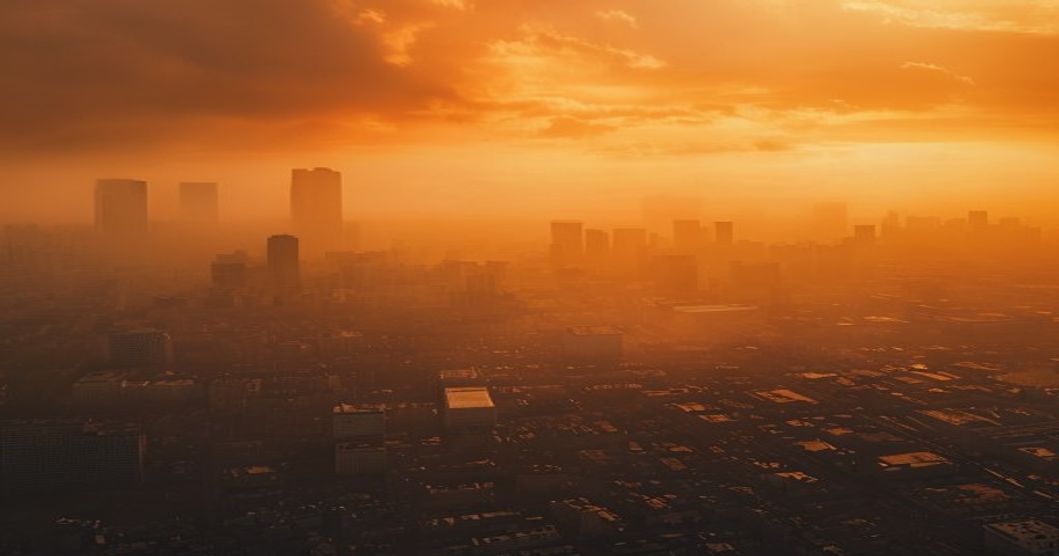
The year is 2026, and the mercury is not just rising; it's shattering records, redefining summer, and fundamentally altering our perception of 'normal'. For generations, many in North India have viewed Europe as a sanctuary from the subcontinent's scorching summers, a land of cool breezes and pleasant evenings. But June 2026 delivered a brutal, undeniable truth: the climate crisis knows no borders, and its wrath is now turning Europe's picturesque cities into sweltering furnaces, often hotter than the very Indian cities people sought to escape. This isn't just a bad summer; it's a stark, global wake-up call.
## India's Enduring Inferno: The Hidden Cost of Heatwaves India, a nation intimately familiar with the intensity of summer, faced another harrowing heatwave crisis in 2026. Across vast swathes of the country, temperatures soared to unprecedented levels, pushing human endurance to its limits. The headlines were grim: record temperatures, widespread heat-related illnesses, and a tragic increase in fatalities. Our healthcare infrastructure, already strained, buckled under the weight of heatstroke victims and dehydration cases.
This wasn't merely discomfort; it was a public health emergency, impacting daily life, livelihoods, and the very fabric of society. Farmers watched their crops wither, daily wage earners struggled to find work under the relentless sun, and vulnerable populations, particularly the elderly and those without access to cooling, bore the brunt of this extreme heat. The 2026 heatwave served as a stark reminder of India's profound vulnerability to climate change, highlighting the urgent, long-term need for comprehensive heat preparedness strategies that go beyond immediate relief and delve into systemic changes. The 'hidden cost' of these heatwaves is immeasurable, manifesting in lost productivity, strained public services, and the erosion of human well-being.
## Europe's Unfamiliar Furnace: When Escapes Become Ovens The true shock of 2026, however, came from Europe. For years, cities like Paris, London, and Rome evoked images of charming outdoor cafes, leisurely strolls, and temperate climates – the perfect antidote to India's intense heat. Yet, June 2026 redefined this narrative with a vengeance. Heatwaves swept across the continent, shattering all-time temperature records in multiple countries.
Social media platforms were flooded with surreal images: traffic lights melting in Italy and Germany, a viral video from Cevre TV (Turkey) showcasing the sheer intensity of the heat, and residents desperately seeking refuge from temperatures well beyond 40°C. Meteorological agencies and climate researchers were unanimous: this was one of the most intense heatwaves Europe had experienced in decades, a direct consequence, many scientists asserted, of human-induced climate change. The World of Statistics report chillingly confirmed what many felt: several European destinations were, astonishingly, hotter than numerous North Indian cities. The very places once synonymous with cool summer escapes had become crucibles of extreme heat, claiming lives and disrupting an entire continent's way of life.
## The Unmistakable Hand of Climate Change These parallel crises – India's escalating heat and Europe's unprecedented inferno – are not isolated incidents. They are two sides of the same rapidly warming coin, inextricably linked by the undeniable force of human-induced climate change. For decades, scientists have warned of rising global temperatures, driven primarily by the burning of fossil fuels and deforestation, which release greenhouse gases into the atmosphere. These gases trap heat, leading to a gradual but relentless increase in the Earth's average temperature.
What we are witnessing in 2026 is the manifestation of these warnings: more frequent, more intense, and longer-lasting heatwaves across the globe. The scientific consensus is clear and overwhelming: the fingerprint of human activity is all over these extreme weather events. The planet is heating up, and the consequences are no longer abstract predictions; they are a lived reality for billions. ## Beyond the Thermometer: Real-World Impacts The ramifications of such extreme heat extend far beyond mere discomfort: ### A Looming Public Health Crisis Heatwaves are silent killers.
They exacerbate pre-existing conditions, lead to heatstroke, dehydration, and put immense pressure on emergency services. Vulnerable populations – the elderly, children, outdoor workers, and those with chronic illnesses – are disproportionately affected. Access to clean water, cooling centers, and adequate medical care becomes critical, and often, tragically, insufficient. The human cost is immense, both in terms of fatalities and long-term health impacts.
### Economic Disruptions and Infrastructure Strain The economic toll is equally significant. Tourism, a cornerstone of many European economies, faces an existential threat as traditional summer appeal wanes. Agriculture suffers as crops fail, impacting food security and farmer livelihoods. Infrastructure, from roads to power grids, is not designed for sustained extreme temperatures, leading to power outages, transport disruptions, and costly repairs.
The melting traffic lights in Italy and Germany are not just viral videos; they are symbols of infrastructure pushed to its breaking point. ### Mental Health and Social Fabric The constant threat of extreme weather also takes a toll on mental health. Anxiety, stress, and a sense of helplessness can become pervasive. Communities struggle to adapt, and social cohesion can be strained as resources become scarce and daily routines are upended.
The joy of summer is replaced by a pervasive sense of dread. ## The Illusion of Escape Shattered: A New Travel Reality The notion of Europe as a guaranteed cool summer escape for North Indian travellers has been irrevocably shattered. What was once a pleasant refuge has, in many instances, become a parallel experience of intense heat, complete with its own set of challenges and risks. This shift demands a re-evaluation of travel patterns, destination choices, and even the timing of holidays.
The travel industry, too, must adapt, offering new solutions, promoting off-season travel, or focusing on destinations better equipped to handle a warmer world. The romantic ideal of a European summer now comes with a significant heat advisory. ## What Must Be Done: A Call to Action for a Warming World The events of 2026 are not merely news; they are a clarion call for urgent, decisive action on multiple fronts: ### Immediate Preparedness and Adaptation For both India and Europe, robust heat preparedness plans are no longer optional. This includes: * **Early Warning Systems:** Enhanced meteorological forecasting and public dissemination of heat advisories.
* **Cooling Centers:** Establishing accessible, well-equipped public cooling centers, especially in urban areas. * **Urban Greening:** Investing in green infrastructure – parks, tree planting, green roofs – to combat urban heat island effects. * **Public Awareness Campaigns:** Educating citizens on heat safety, hydration, and recognizing symptoms of heat-related illnesses. * **Resilient Infrastructure:** Designing buildings and public spaces to better withstand extreme temperatures.
### Long-Term Mitigation: The Only Sustainable Solution While adaptation is crucial for managing current impacts, mitigation remains the ultimate solution. This requires a global, concerted effort to: * **Drastically Reduce Emissions:** Phasing out fossil fuels and accelerating the transition to renewable energy sources (solar, wind). * **Strengthen International Cooperation:** Upholding and exceeding commitments made under agreements like the Paris Agreement. * **Invest in Sustainable Technologies:** Promoting innovation in areas like carbon capture, energy efficiency, and sustainable agriculture.
* **Protect and Restore Natural Ecosystems:** Forests, oceans, and wetlands play vital roles in regulating climate. The summer of 2026 has laid bare a profound truth: climate change is not a distant threat, but a present danger, impacting lives and livelihoods from Delhi to Düsseldorf. The choice is no longer between development and climate action; it is about sustainable development that inherently includes climate resilience. As Environment Warriors, our resolve must be unwavering.
The time for debate is over; the time for transformative action is now. Our future, and the future of our planet, depends on it.