Climate Change
Ghaziabad's Burning Secret: Unchecked Waste Fires Fueling Air Crisis
Beyond industrial haze, unchecked waste burning in Ghaziabad spews toxic fumes, compounding the city's critical air quality crisis.
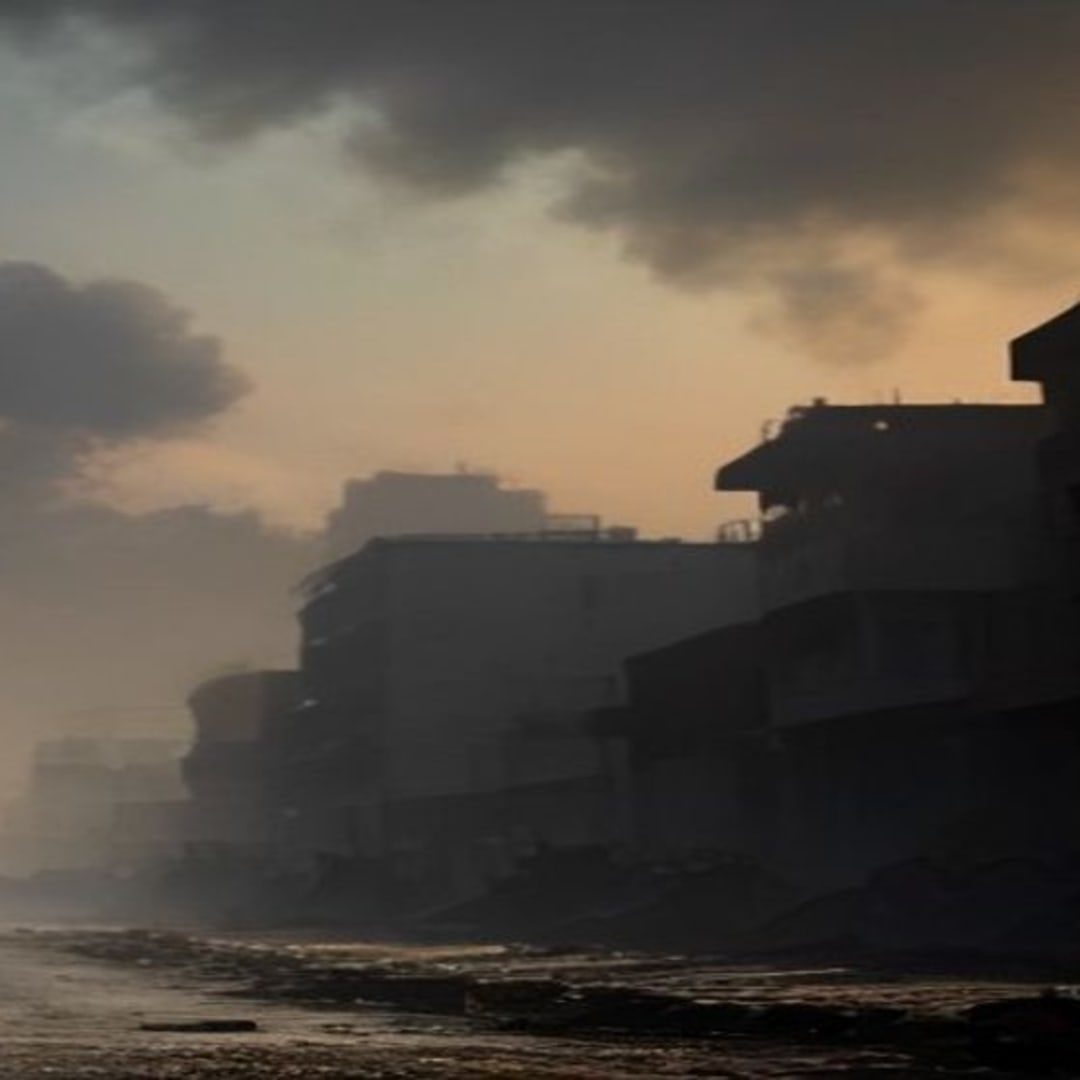
The acrid smell of burning plastic is a familiar, unwelcome guest in Sunita Devi's small home in Ghaziabad's Khora Colony. Every evening, as the sun dips below the haze-laden horizon, plumes of smoke curl upwards from nearby vacant plots and overflowing garbage dumps, carrying with them a cocktail of toxins. Her youngest, Rakesh, barely five, struggles with a persistent cough, a common affliction among children in their neighbourhood. "It’s like living inside a chimney," she sighs, fumbling for her son's nebulizer.
"We can’t open windows for fresh air because the outside air is worse. " Sunita's plight is not isolated. Across Ghaziabad, a burgeoning city in Uttar Pradesh that is part of the National Capital Region, the practice of open waste burning has become a pervasive, yet often overlooked, contributor to its alarmingly high air pollution levels. While industrial emissions and vehicular exhaust frequently dominate headlines, the daily, unchecked incineration of municipal solid waste—from household garbage to construction debris, plastics, rubber, and even biomedical waste—creates an insidious blanket of smog that silently poisons its residents.
## The Toxic Cocktail from Uncontrolled Fires This isn't merely a nuisance; it's a grave public health crisis. The smoke generated from open waste burning is far more dangerous than typical industrial emissions because it’s uncontrolled and incomplete combustion. It releases a lethal mix of pollutants: fine particulate matter (PM2. 5), volatile organic compounds (VOCs), black carbon, polycyclic aromatic hydrocarbons (PAHs), and, most disturbingly, highly toxic dioxins and furans.
Plastics, in particular, when burned in open fires, release these persistent organic pollutants, known carcinogens, and endocrine disruptors. Children like Rakesh, the elderly, and those with pre-existing respiratory or cardiovascular conditions are particularly vulnerable. Long-term exposure leads to chronic respiratory diseases, cardiovascular problems, neurological damage, reproductive issues, and various cancers, placing an immense burden on an already strained public health system. ## Why the Fires Persist: Systemic Failures The persistence of open waste burning in Ghaziabad, and indeed many Indian cities, is a symptom of systemic failures in urban governance and waste management.
Despite directives from bodies like the **National Green Tribunal (NGT)**, which has repeatedly banned open burning and imposed fines, implementation remains weak. The city’s waste collection infrastructure struggles to keep pace with its rapid population growth and urbanization. Segregation at source—a foundational principle of effective waste management—is largely absent. This leads to mixed waste piling up in designated dumpsites, street corners, and even riverbeds, creating fertile ground for spontaneous combustion or intentional burning by individuals trying to reduce waste volume or extract recyclables.
Furthermore, the informal waste collection sector, while vital for recycling, often resorts to burning non-recyclable items to save space or recover valuable metals, exposing themselves to extreme health risks. The **Swachh Bharat Abhiyan (Clean India Mission)**, launched with great fanfare to improve sanitation and waste management, has certainly spurred infrastructure development, but its impact on eradicating open burning at the micro-level, especially in peri-urban areas and informal settlements, has been limited. The mission's focus on visible cleanliness sometimes overshadows the need for comprehensive, sustainable waste processing systems that address the root causes of open dumping and burning. ## Ghaziabad: A City Under a Smouldering Cloud Ghaziabad, with its dense population, burgeoning industrial zones, and expanding residential complexes, presents a microcosm of this national challenge.
Areas like Indirapuram, Vaishali, and Crossings Republik, despite being relatively affluent, frequently report instances of waste burning in surrounding vacant plots or on the fringes of municipal dumps. The city's official landfill sites, often overflowing, are notorious for smouldering fires that release noxious fumes for days, sometimes weeks, on end. Residents complain of respiratory distress, burning eyes, and the pervasive smell of smoke infiltrating their homes, forcing them to live with sealed windows even in the scorching summer heat. This constant exposure exacerbates the already dangerous AQI levels, pushing Ghaziabad frequently into the 'severe' or 'very poor' categories, especially during winter months when atmospheric conditions trap pollutants closer to the ground.
However, with rising temperatures in 2026, the problem is becoming year-round, as heat intensifies ground-level ozone formation and pollutant concentration, making every breath a hazard. ## Charting a Path Towards Cleaner Air Addressing Ghaziabad's burning problem requires a multi-pronged, concerted effort from municipal bodies, industries, and citizens alike. The cornerstone must be a robust, decentralized waste management system that prioritizes **source segregation**. Every household, every commercial establishment, must be incentivized and educated to segregate wet, dry, and hazardous waste.
This segregated waste can then be channeled into appropriate processing streams: organic waste for composting or bio-methanation, recyclables for material recovery facilities, and non-recyclables for scientifically managed waste-to-energy plants with advanced emission controls. Enhanced enforcement of existing regulations is paramount. The Ghaziabad Nagar Nigam needs to deploy dedicated teams to monitor hotspots for waste burning, impose stringent penalties on offenders—whether individuals or contractors—and ensure swift action against illegal dumping. Public awareness campaigns, using local dialects and accessible formats, are crucial to inform citizens about the dangers of waste burning and empower them to report violations.
These campaigns should foster a sense of collective responsibility, transforming apathy into active participation. Crucially, the informal waste-picking community, often marginalized and exploited, must be integrated into the formal waste management chain. Providing them with training, safety gear, stable livelihoods, and formal recognition can transform them from vulnerable individuals to valuable partners in sustainable waste management. Initiatives like the 'Swachhata Sarvekshan' rankings should also emphasize robust waste processing infrastructure and the eradication of open burning as key performance indicators, rather than just collection rates.
Technological interventions, such as real-time air quality monitoring stations in vulnerable areas and drone surveillance for identifying waste burning sites, can provide crucial data for targeted interventions. Furthermore, promoting circular economy principles, reducing consumption, and encouraging reuse and repair can significantly reduce the overall waste burden, alleviating pressure on waste disposal systems. ## A Call to Action for a Breathable Future Ghaziabad's struggle with waste burning is a stark reminder that India's climate crisis is intertwined with its environmental governance. While the nation grapples with record temperatures and erratic monsoons, the air we breathe continues to be poisoned by preventable local issues.
Eradicating open waste burning is not merely an aesthetic concern; it's a fundamental step towards safeguarding public health, ensuring environmental justice, and building truly sustainable urban futures for cities like Ghaziabad. The smoke-filled skies are a call to action, demanding political will, community participation, and a collective commitment to a cleaner, healthier tomorrow for every child like Rakesh.