Renewable Energy
Gadchiroli's Solar Leap: Microgrids Transform Adivasi Life
Beyond light, community-led solar microgrids are powering education, health, and livelihoods in India's remote tribal heartlands.
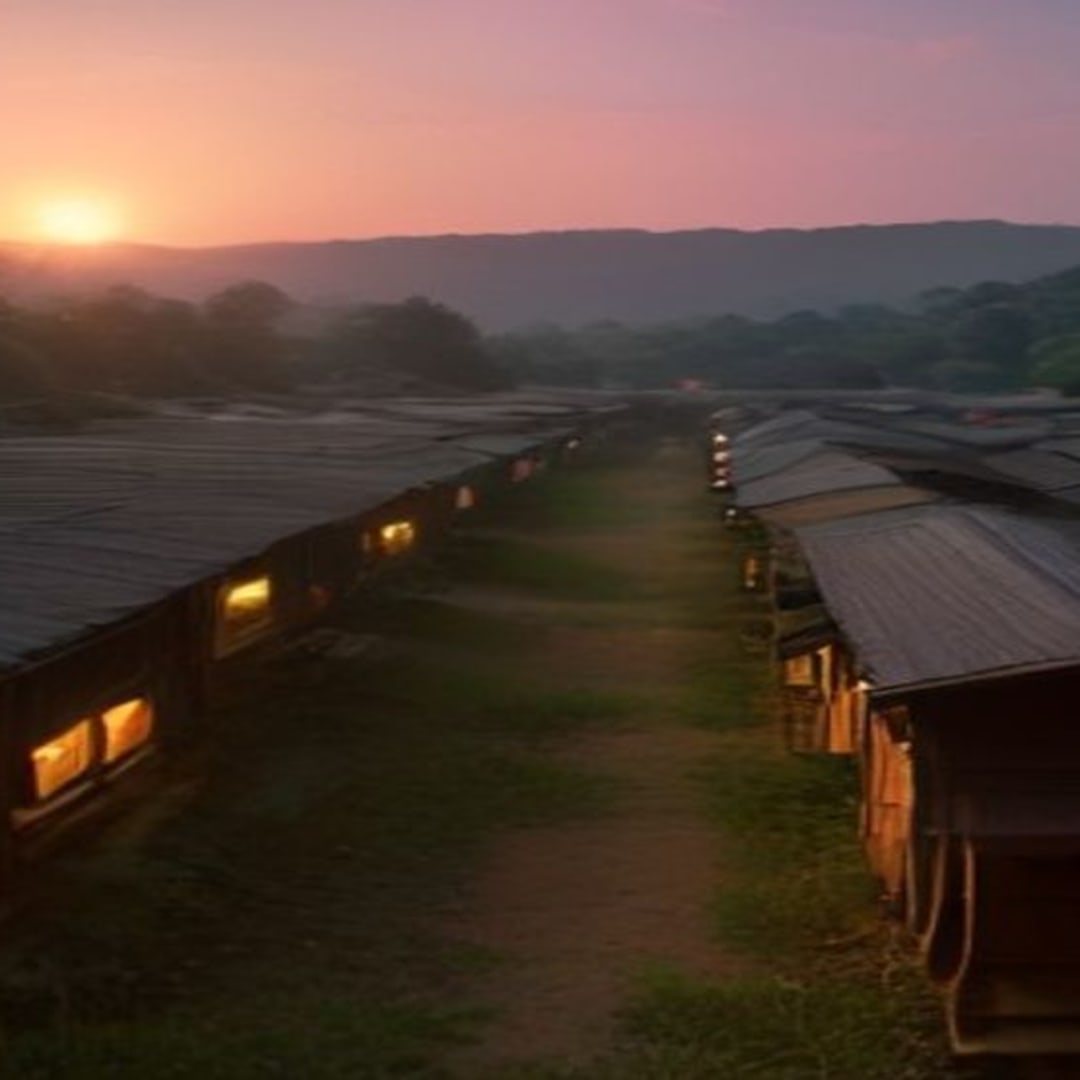
The rhythmic hum of a diesel generator used to be the soundtrack to evenings in Dharni village, deep within Maharashtra's Gadchiroli district. It was a fleeting promise of light, expensive and unreliable, often sputtering into silence just as children settled down to study or women began their evening chores. For generations, the Gond and Madia Adivasi communities of Dharni, nestled amidst dense forests and challenging terrain, lived largely in the dark, disconnected from India's burgeoning progress. Grid electricity was a distant dream, a complex engineering feat deemed too costly for a few hundred households.
Today, the only hum you hear is the gentle, almost imperceptible thrum of an inverter, fed by a network of gleaming solar panels strategically placed on community land. Dharni is no longer just illuminated; it is *empowered*. This isn't just about switching on a light bulb; it's about switching on possibilities – for education, for health, for economic independence, and for a sustainable future. The story of Dharni, and dozens like it across India's remote tribal belts, is a testament to the transformative power of decentralized solar microgrids, going far beyond merely 'ending diesel's reign' to ignite holistic development.
## The Lingering Shadows of Disconnection For communities like Dharni, the absence of reliable electricity was more than an inconvenience; it was a fundamental barrier to development. Children struggled to study after dusk, their eyes strained by the dim, smoky glow of kerosene lamps, which also contributed to severe respiratory illnesses. Healthcare facilities, if they existed, couldn't power essential equipment or store temperature-sensitive medicines and vaccines. Small businesses, like tailoring units or grain mills, were either non-existent or heavily reliant on expensive, polluting diesel generators, severely limiting their profitability and operating hours.
Women, particularly, bore a disproportionate burden. Collecting firewood, cooking in smoky kitchens, and performing household chores in darkness added hours to their already long days, limiting their participation in community life or income-generating activities. The economic potential of these regions, rich in natural resources and traditional skills, remained largely untapped, perpetuating a cycle of poverty and marginalization. The central grid, designed for urban centres and industrial hubs, simply couldn't, or wouldn't, stretch its tendrils into every remote hamlet, leaving millions in an energy dark zone.
## A New Dawn: The Microgrid Revolution The solution for Dharni, championed by the "Adivasi Pragati Foundation" (APF) in collaboration with state agencies, came in the form of a 100kW community-owned solar microgrid. Unlike individual rooftop solar systems, a microgrid is a self-sufficient energy system that can operate independently or be connected to the main grid. For remote villages, standalone microgrids are a game-changer. They bypass the prohibitive costs and logistical nightmares of extending traditional grid infrastructure, offering a tailored, localized energy solution.
APF, an NGO dedicated to sustainable tribal development, worked closely with the villagers to design a system that met their specific needs. It wasn't just about technical installation; it involved extensive community engagement, training local youth in operation and maintenance, and establishing a Village Energy Committee (VEC) to manage the microgrid's daily functions, including tariff collection and fault resolution. This participatory approach has been critical to the long-term success and sustainability of the project, fostering a sense of ownership and responsibility among the beneficiaries. ## Dharni's Luminescent Leap: A Case Study in Transformation Since its commissioning in late 2025, the Dharni microgrid has brought about a profound transformation, touching almost every aspect of village life for its 250 households.
The impact extends far beyond the provision of clean, reliable electricity: ### Educational Empowerment: * **Extended Study Hours:** Children can now study for several hours after sunset without eye strain or health risks from fumes. Teachers report improved attendance and concentration, with students performing better in regional examinations. The village school now has proper lighting and can power computers, opening up new avenues for learning. * **Digital Access:** The community centre, powered by the microgrid, now hosts evening digital literacy classes, connecting villagers to the internet – a first for many.
### Health and Well-being: * **Reduced Indoor Air Pollution:** The complete elimination of kerosene lamps has drastically cut down indoor air pollution, leading to a noticeable reduction in respiratory ailments, especially among women and children. The village health worker notes a 30% decrease in cases of acute respiratory infections in the last six months. * **Improved Healthcare Infrastructure:** The local primary health sub-centre, previously operating with minimal equipment, now has reliable power for refrigeration, enabling the storage of vaccines and essential medicines. It can also power basic diagnostic equipment, improving emergency response capabilities.
* **Water Security:** Solar-powered pumps have replaced manual labour for drawing water, ensuring a consistent supply of clean drinking water for the entire village, reducing water-borne diseases. ### Economic Vibrancy: * **New Livelihoods:** The availability of electricity has sparked a flurry of entrepreneurial activity. Women have started small enterprises like flour mills, oil presses, and tailoring units, extending their working hours and significantly boosting household incomes. A group of women, previously dependent on forest produce, now operates a solar-powered spice grinding unit, selling their products to nearby markets.
* **Artisan Support:** Traditional artisans, who once struggled with poor lighting, can now work more efficiently and for longer durations, enhancing the quality and quantity of their crafts, leading to better market prices. * **Reduced Costs:** Households have eliminated the significant monthly expenditure on kerosene and diesel, freeing up capital for other essential needs or savings. This economic relief is palpable, particularly for the most marginalized families. ### Community Ownership and Sustainability: The Dharni VEC, comprising elected villagers, is responsible for collecting a modest monthly tariff from each household and business.
This revenue covers routine maintenance, repairs, and a small fund for future upgrades. Local youth, trained by APF, serve as technicians, ensuring prompt resolution of any issues. This model of community ownership not only ensures the system's longevity but also builds local capacity and resilience. ## Scaling the Success: India's Greenest Frontier The success of Dharni is not an isolated incident.
Across states like Chhattisgarh, Odisha, and Jharkhand, similar initiatives are taking root, demonstrating the immense potential of decentralized solar solutions for India's 100 million-strong Adivasi population. These projects align perfectly with India's broader renewable energy ambitions and its commitment to achieving universal energy access. However, scaling this success requires a concerted effort. While government schemes like the Pradhan Mantri Sahaj Bijli Har Ghar Yojana (Saubhagya) focused on grid connectivity, there's a growing recognition that microgrids offer a more appropriate and sustainable pathway for the truly last-mile communities.
Policy frameworks need to be strengthened to provide consistent financial support, streamline regulatory processes for land acquisition and project approvals, and incentivize partnerships between NGOs, private sector innovators, and local governments. ## Challenges and the Path Forward The journey isn't without its hurdles. Ensuring long-term financial viability, building robust local technical capacity, and integrating these microgrids into future smart grid visions are critical challenges. The initial capital investment, though yielding significant long-term returns, remains substantial.
Innovative financing models, including blended finance, carbon credits, and community equity, are essential to unlock greater investment. Moreover, the unique socio-cultural fabric of tribal communities necessitates culturally sensitive approaches. Projects must be co-created with the communities, respecting their traditions and knowledge systems, rather than imposed from above. Training programs must be localized and inclusive, empowering women and youth to take on leadership roles in the energy transition.
## Illuminating a Brighter Tomorrow Dharni village stands as a shining example of how focused, community-centric renewable energy interventions can spark holistic development. It's a powerful narrative of resilience, self-reliance, and progress, directly addressing both energy poverty and climate vulnerability. As India continues its rapid march towards a greener future, the lessons from these remote villages underscore a fundamental truth: true progress isn't just measured by megawatts generated, but by the millions of lives transformed, one light bulb, one empowered community, one luminescent leap at a time. The sustainable, equitable future for India's Adivasi heartlands is being built, one solar microgrid at a time, powered by the sun and the unyielding spirit of its people.