Climate Change
From Peaks to Plains: Ganga's Climate-Stressed Water Future
Erratic Himalayan weather patterns, from retreating glaciers to fierce downpours, cast a long shadow over India's most sacred river.
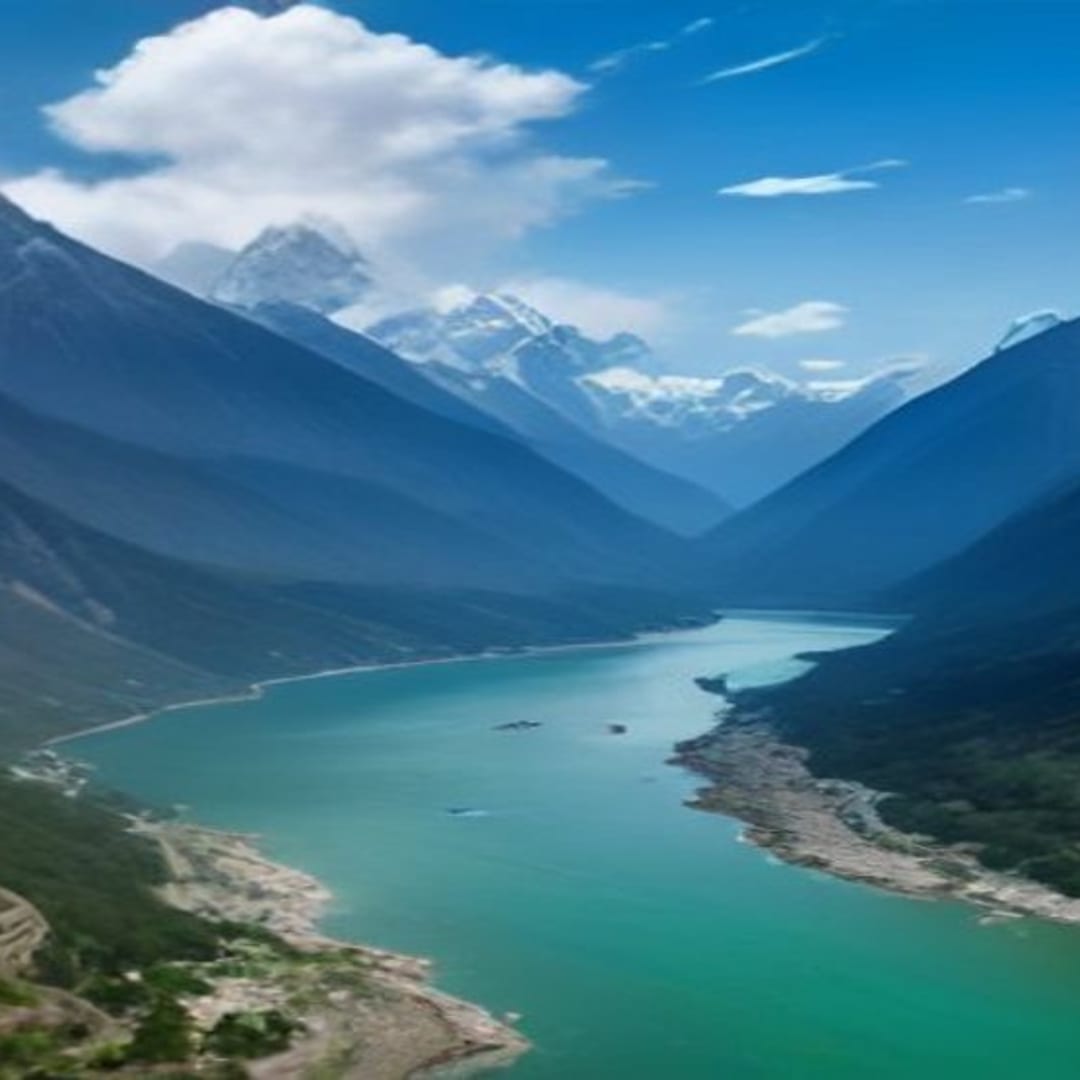
The scent of damp earth hung heavy in the air, a fleeting comfort for Ram Singh. Just weeks ago, his small terraced farm in Uttarakhand's Chamoli district was a scene of devastation, not promise. A sudden, unseasonal cloudburst had turned the usually gentle stream into a raging torrent, sweeping away fertile topsoil and fledgling crops. Now, the sun beat down relentlessly, baking the remaining soil into a cracked mosaic.
The monsoon, when it arrived, was a cruel lottery – either too much, too soon, or a frustrating drizzle that offered no real relief. “We live between the fear of drowning and the fear of thirst,” Ram Singh muttered, gazing at the distant, increasingly bare peaks. “The river, our Maa Ganga, she feels different now. Her rhythm is broken.
” Ram Singh’s predicament is a microcosm of a much larger crisis unfolding across India, centered on its most vital and sacred river. The Ganga, a lifeline for over 500 million people, originates in the majestic Himalayas, a region often called the ‘Water Tower of Asia’. But this towering source of sustenance is now under unprecedented climate stress. Today, 23 September 2026, as India grapples with record temperatures and erratic monsoons, the health of the Ganga, from its glacial origins to its sprawling delta, hangs precariously in the balance.
## The Himalayan Headwaters: A Ticking Hydrological Clock The Himalayas are the primary regulators of the Ganga’s flow, acting as a colossal natural reservoir. For millennia, the river’s rhythm was dictated by two predictable annual cycles: the summer monsoon rains and the meltwater from vast glaciers and snowfields. Climate change is systematically dismantling this delicate balance. Rising global temperatures are accelerating the retreat of Himalayan glaciers at an alarming rate.
Iconic glaciers like the Gangotri, the traditional source of the Bhagirathi River (a major headstream of the Ganga), are shrinking year by year. Initially, this leads to an increase in meltwater, temporarily swelling river flows. However, this is a finite process. Scientists warn that beyond a certain tipping point, the long-term consequence will be reduced dry-season flow, severely impacting water availability when it’s most needed for agriculture and urban consumption in the plains.
Compounding this is the increasing unpredictability of the monsoon. Instead of a steady, nourishing downpour, many regions now experience intense, short-duration cloudbursts followed by prolonged dry spells. These extreme rainfall events, often coupled with rapid snowmelt, trigger devastating flash floods and landslides in the fragile mountain ecosystems. Villages, farmlands, and critical infrastructure are vulnerable, leading to loss of life and livelihoods, as seen in various incidents across Uttarakhand and Himachal Pradesh in recent years.
The very source of India’s mighty rivers is becoming a zone of hydrological chaos. ## Downstream Droughts and Deluges: The Ganga Plains Under Siege The cascading effects of Himalayan climate variability are felt most acutely in the densely populated Indo-Gangetic plains. The plains, a breadbasket for India, are heavily reliant on the Ganga’s waters for irrigation. Erratic flows mean farmers face a cruel dichotomy: either their fields are submerged by unexpected floods, destroying standing crops, or they wither under prolonged droughts, necessitating expensive and often unsustainable groundwater extraction.
For major agricultural states like Uttar Pradesh and Bihar, the impact on food security is profound. Crop cycles for staples like rice and wheat, meticulously planned for generations around predictable water availability, are now frequently disrupted. Farmers, often with limited resources, struggle to adapt to these new extremes, leading to economic hardship and increasing migration. The **Central Water Commission (CWC)**, responsible for monitoring river flows and forecasting, faces an immense challenge in providing accurate and timely advisories in the face of such unprecedented variability.
Urban centers along the Ganga, from Rishikesh and Haridwar to Varanasi, Prayagraj (Allahabad), Kanpur, and Patna, also bear the brunt. During periods of intense floods, water treatment plants struggle to cope with the increased sediment load and pollutants, driving up operational costs and sometimes disrupting supply. Conversely, during lean periods exacerbated by reduced glacial melt and insufficient monsoon recharge, cities face acute water shortages, leading to rationing and public health concerns. The very quality of the water, already compromised by industrial and domestic pollution, becomes even more critical when supply is scarce.
## Beyond Water: Ecosystems, Livelihoods, and Cultural Heritage The Ganga is not merely a source of water; it’s a living ecosystem and a cultural anchor. The climate-induced changes in its flow threaten riverine biodiversity, including endangered species like the Gangetic Dolphin. Altered water temperatures and flow regimes disrupt fish breeding patterns, impacting the livelihoods of countless fishing communities that depend on the river. The spiritual and cultural significance of the Ganga for millions of Hindus is immeasurable.
Erratic flows impact pilgrimage seasons and traditional rituals, altering a way of life that has thrived along its banks for millennia. The very essence of the river, as a symbol of purity and continuous flow, is being challenged by the visible signs of climate stress. ## Forging Resilience: An Integrated Approach for a Sacred Lifeline The crisis facing the Ganga demands a multi-pronged, integrated strategy that goes beyond traditional water management. The existing **National Mission for Clean Ganga (NMCG)**, primarily focused on pollution abatement, must now explicitly broaden its mandate to include comprehensive climate resilience planning for the entire basin.
This involves: 1. **Enhanced Monitoring and Forecasting:** Investing in advanced satellite monitoring of glacial melt, snow cover, and rainfall patterns in the Himalayas. Strengthening the CWC’s capacity for hyper-local climate forecasting and early warning systems for floods and droughts across the basin is paramount. 2.
**Integrated Water Resource Management:** Promoting basin-wide planning that considers both upstream and downstream needs. This includes developing climate-resilient water storage solutions, revitalizing traditional water harvesting structures, and promoting efficient irrigation techniques (e. g. , drip irrigation, sprinkler systems) to minimize water wastage in agriculture.
3. **Ecosystem Restoration and Nature-Based Solutions:** Protecting and restoring Himalayan forests and wetlands, which act as natural sponges, regulating water flow and preventing soil erosion. Along the plains, conserving and rehabilitating riverine floodplains can help absorb excess water during floods and recharge groundwater. 4.
**Climate-Resilient Agriculture:** Supporting farmers in adopting crop varieties that are more tolerant to heat and water stress. Promoting diversified farming systems and providing climate information services to help farmers make informed decisions about planting and harvesting cycles. 5. **Community Engagement and Capacity Building:** Empowering local communities in both the Himalayan regions and the plains with knowledge and resources to adapt.
This includes training in disaster preparedness, sustainable land management practices, and participation in water governance. 6. **Inter-state and International Cooperation:** Given the transboundary nature of the Ganga basin, effective management requires robust cooperation among riparian states within India and with neighboring countries where its tributaries originate. ## A Shared Future, A Shared Responsibility The Ganga’s climate-stressed future is not just an environmental issue; it is an economic, social, and cultural imperative for India.
The changes unfolding in the Himalayas are a stark reminder of our planet’s interconnectedness and the urgent need for global climate action. While international efforts to reduce greenhouse gas emissions are critical for long-term mitigation, immediate and robust adaptation strategies are essential to safeguard the Ganga and the millions who depend on it. Protecting the Ganga’s flow means securing India’s future. It requires a profound shift in how we perceive and manage our water resources – from a fragmented, reactive approach to an integrated, proactive, and climate-conscious strategy.
The resilience of Ram Singh and countless others like him, who continue to toil under a sky of extremes, hinges on our collective ability to respond to this evolving crisis. The sacred river’s heartbeat may be erratic now, but with concerted effort, we can ensure its life-giving pulse continues to nourish the nation for generations to come.