Climate Change
From Darkness to Dairies: Solar's Boost to Jharkhand's Rural Businesses
In Jharkhand's remote villages, solar electricity sparks a quiet revolution, empowering entrepreneurs and diversifying local economies beyond agriculture.
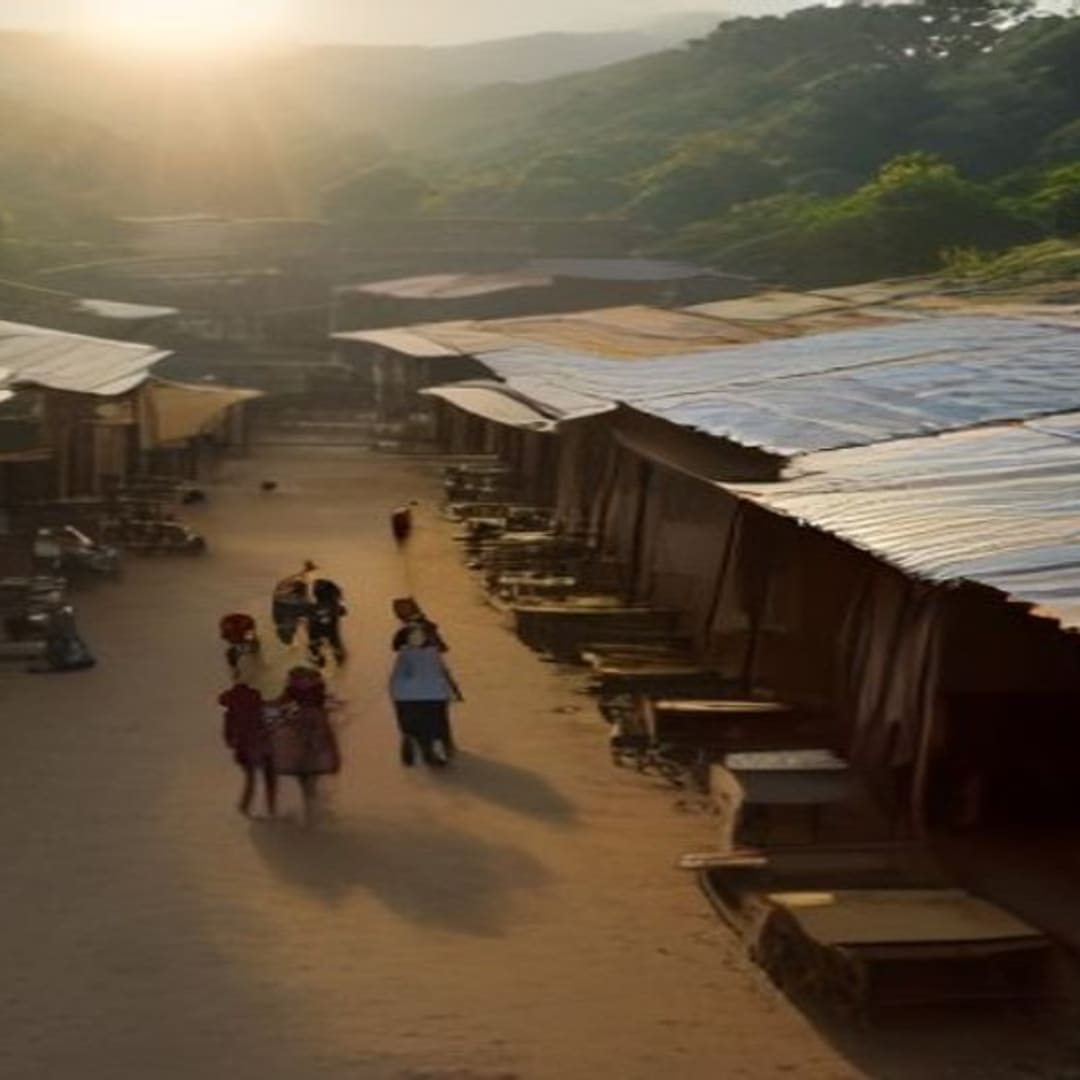
In the remote village of Khunti, nestled amidst Jharkhand's undulating terrain, the whirring of a sewing machine used to be a luxury, dependent on erratic grid power or expensive, polluting diesel generators. For Sunita Devi, a skilled tailor, this meant lost income and endless frustration. Her small tailoring unit, providing essential services to her community, often sat idle. "There were days I couldn't finish orders for weeks because the electricity wouldn't stay," she recounts, her voice still carrying a hint of past exasperation.
But today, a different rhythm fills her workshop: the steady hum of her machine, powered by a rooftop solar installation. Sunita's story is not unique; it's a testament to a quiet revolution unfolding across rural Jharkhand, where reliable solar energy is not just lighting homes, but igniting a new wave of entrepreneurship and economic diversification. ## Jharkhand's Rural Heartbeat: Battling Energy Poverty For decades, the promise of consistent electricity remained a distant dream for many in Jharkhand's hinterlands. Vast swathes of the state, characterised by challenging topography and scattered populations, posed significant hurdles for conventional grid expansion.
Villages like Khunti, often kilometres away from the nearest substation, grappled with chronic power outages, voltage fluctuations, or complete lack of access. This energy poverty cast a long shadow over daily life, hindering basic amenities, restricting educational opportunities, and severely stunting economic growth. Small businesses, the lifeblood of rural economies, were particularly vulnerable. Artisans struggled to use power tools, shopkeepers relied on dim, polluting kerosene lamps, and crucial services like healthcare centres often functioned without reliable refrigeration or lighting.
The reliance on expensive diesel generators further exacerbated the problem, draining meagre incomes and polluting the pristine rural air with noxious fumes. ## The Sun's Embrace: A Decentralized Energy Revolution However, the tide is turning. India's aggressive push towards renewable energy, particularly solar, is now reaching these underserved regions, transforming lives one village at a time. The Ministry of New and Renewable Energy (MNRE) has consistently championed decentralised renewable energy solutions, recognising their potential to bridge the energy gap where grid extension is unviable.
In Jharkhand, this has translated into a proliferation of standalone solar systems and community-based microgrids. These microgrids, often managed by local communities or supported by public-private partnerships, harness the abundant sunlight to generate clean, reliable electricity, bypassing the fragility of the traditional grid. For the first time, millions previously dependent on unpredictable power are experiencing the stability that modern energy provides. This shift is profound, moving beyond mere illumination to become a catalyst for socio-economic change.
## Beyond the Light Bulb: Powering a New Rural Economy The true impact of this solar expansion extends far beyond simply lighting homes. Reliable electricity is proving to be the missing ingredient for a burgeoning ecosystem of micro-enterprises, fostering innovation and self-sufficiency in rural Jharkhand. * **Tailoring and Craftsmanship:** For entrepreneurs like Sunita Devi, consistent power means increased productivity. Her sewing machine can now run for longer hours, allowing her to take on more orders, meet deadlines, and even train young women from her village.
Similarly, local artisans creating intricate wooden crafts or metalwork can now use power tools, enhancing precision and speeding up production, making their products more competitive in broader markets. * **Small-Scale Processing Units:** The availability of power has unlocked opportunities for value addition. In villages near agricultural hubs, small solar-powered flour mills, oil presses, and spice grinders are emerging. These units not only provide essential services locally, reducing the need for villagers to travel long distances, but also enable farmers to process their produce, commanding better prices and reducing post-harvest losses.
Consider a small dairy farmer in Latehar who, thanks to a solar-powered chilling unit, can now safely store milk for longer, reducing spoilage and accessing more distant markets. * **Digital Inclusion and Services:** Solar power is bridging the digital divide. Community Service Centres (CSCs) can now operate reliably, offering internet access, printing, scanning, and digital payment facilities. Young entrepreneurs are setting up solar-powered mobile charging stations, photography studios, and even small internet cafes, connecting their villages to the wider world and creating vital local jobs in the process.
* **Community Services and Education:** Solar is also bolstering essential community services. Health sub-centres can maintain vaccine cold chains, power medical equipment, and provide better lighting for evening clinics. Solar-powered community halls become venues for adult literacy classes, skill development workshops, and youth engagement programs, all previously hampered by intermittent power. This surge in decentralised, solar-powered economic activity is fundamentally altering the fabric of rural life.
It empowers individuals, particularly women, to start and sustain their own ventures, creating local employment and fostering a sense of self-reliance. ## Economic Empowerment and Social Upliftment The ripple effects of this entrepreneurial boom are manifold. Increased income from these new and revitalised businesses improves household finances, leading to better nutrition, access to healthcare, and improved educational outcomes for children. Women, historically marginalised from formal economic participation, are finding new avenues for income generation and leadership within their communities.
The reduced reliance on diesel and kerosene translates into cleaner indoor air, significantly improving public health and reducing respiratory ailments. Furthermore, by providing viable economic opportunities within the village, solar power helps curb rural-to-urban migration, allowing younger generations to build sustainable futures in their hometowns. This fosters stronger, more resilient communities, deeply rooted in their local environments. ## Navigating the Path Forward: Challenges and Opportunities While the progress is undeniable, challenges remain.
The initial capital investment for solar installations, though decreasing, can still be a barrier for the poorest households and micro-enterprises. Robust financial models, including micro-financing and government subsidies, are crucial to ensure equitable access. Maintenance and technical support in remote areas also require sustained effort, necessitating local training programs and accessible service networks. The scalability of these decentralised solutions and their eventual integration with a modernised grid will also be key considerations for future energy planning.
However, with continued policy support from bodies like MNRE and innovative implementation strategies, these hurdles are surmountable. ## The Environment Warrior's Imperative: Sustainable Development at the Grassroots For "Environment Warrior", the story of solar in rural Jharkhand is more than just an energy success; it's a powerful narrative of sustainable development and climate resilience at the grassroots level. By embracing clean, renewable energy, these communities are not only lifting themselves out of energy poverty but are also actively contributing to India's ambitious climate goals. Every solar panel installed, every diesel generator retired, represents a reduction in carbon emissions and a step towards a healthier planet.
In a year (2026) marked by unprecedented climate challenges – record temperatures, erratic monsoons, and critical air pollution – these decentralised solar initiatives offer a beacon of hope. They demonstrate that sustainable solutions can empower millions, protect the environment, and build robust, future-ready economies from the ground up. ## A Brighter Tomorrow, Powered by the Sun The journey from darkness to economic dynamism in rural Jharkhand, propelled by the silent hum of solar panels, is a powerful testament to human ingenuity and the transformative potential of clean energy. It’s a story of empowerment, resilience, and a future where the sun not only nourishes crops but also nurtures dreams, one micro-enterprise at a time.
As India continues its rapid solar expansion, the lessons learned and the successes achieved in regions like Jharkhand will undoubtedly illuminate the path for millions more across the nation, ensuring a brighter, cleaner, and more prosperous tomorrow for all.